Biscayne National Park guide · 2 min read
Elliott Key: Camping, Pets and Cold War Secrets
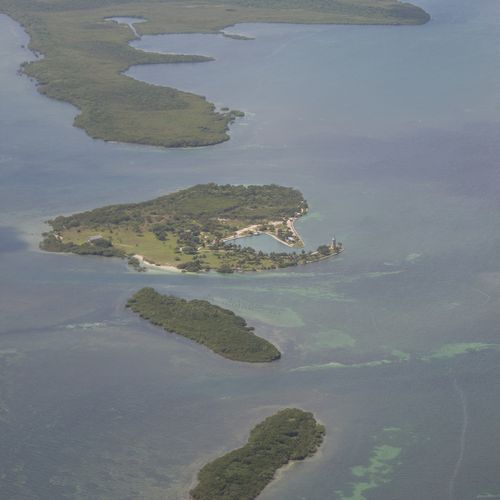
Elliott Key is the largest island in Biscayne National Park. It was once a thriving community of pioneers who grew pineapples, harvested sponges and salvaged wrecks from the surrounding reefs.
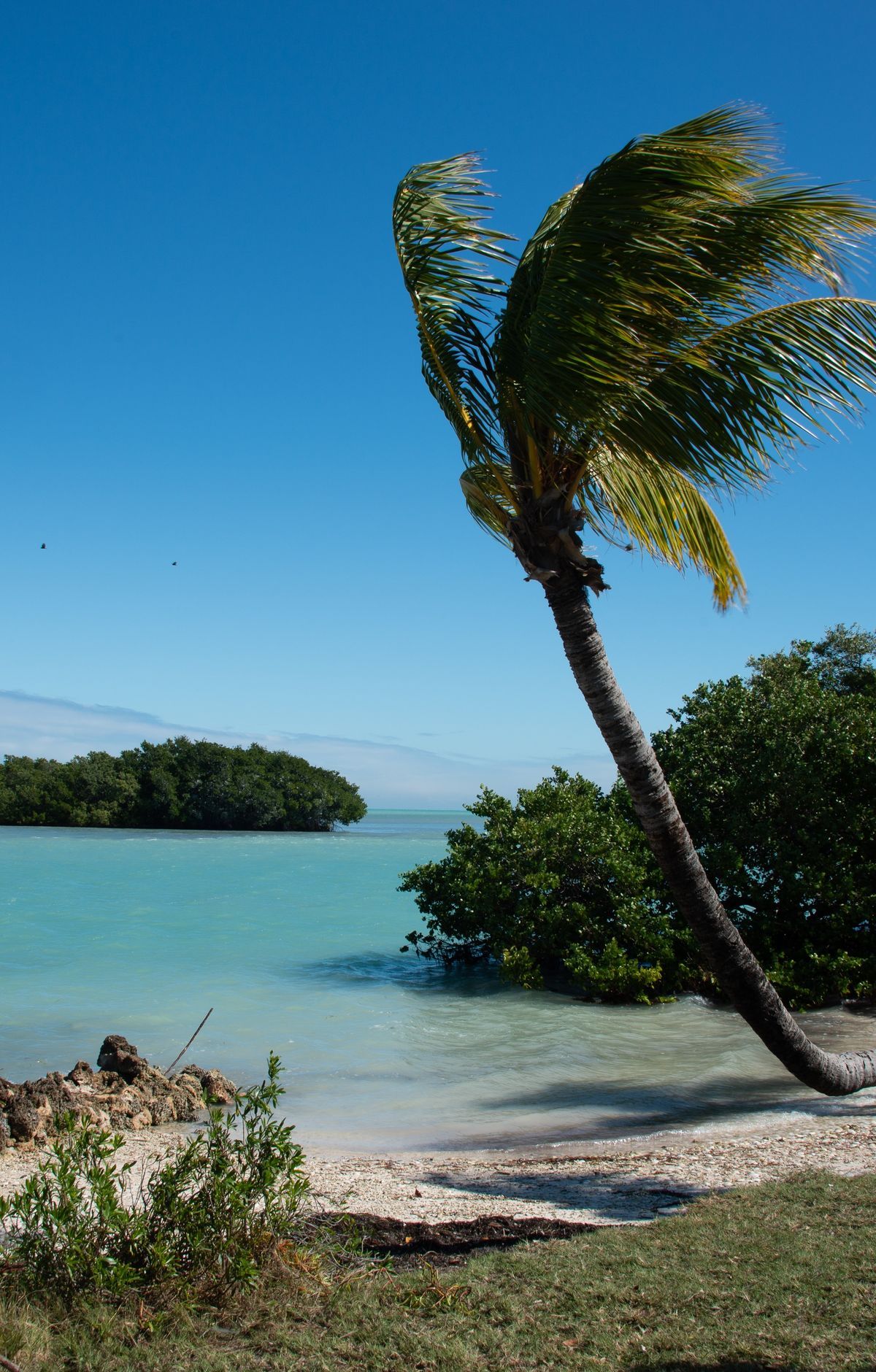
Today the island is reached only by boat, and it is one of two places in the park where visitors can stay overnight.
After the Cuban Revolution of 1959, the Central Intelligence Agency and Cuban exile groups used Elliott Key as a training ground for people who would be sent to infiltrate Fidel Castro's Cuba. That chapter sits alongside the island's earlier life as a farming settlement.
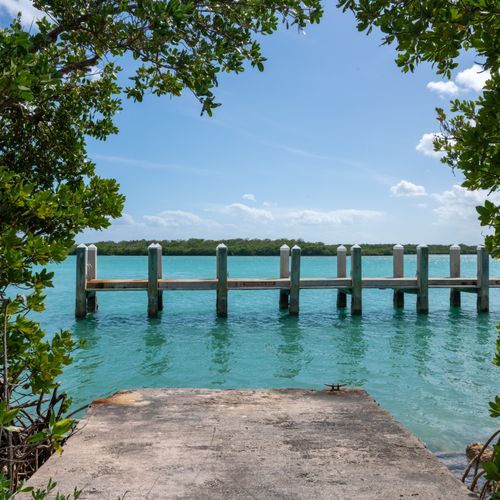
The campground sits on the bay side of the island, with waterside and forested sites. Picnic tables and grills are set up in the campground and around the harbor, and restrooms have cold water showers. Sites are first come, first served, and the park recommends bringing your own fresh drinking water in case the generator goes down. Pets are allowed on Elliott Key, though they are not permitted inside the Dante Fascell Visitor Center or at Boca Chita.
A road called Spite Highway runs about six miles down the length of the island. In the 1960s, supporters of a plan to build hotels and clubs on the keys, under the name City of Islandia, cut the wide road in an attempt to spoil the park. Conservationists prevailed, and President Johnson signed the bill creating Biscayne National Monument in 1968. Trees have mostly filled in the highway since then.
A mile-long loop trail begins near the campground on the bay side, so it is an easy walk from your campsite. The shoreline is mostly rocky, so wear shoes when you swim or wade. A designated swimming area lies on the bay side just north of the harbor. Between the trail, the water and the picnic tables, there is plenty to do, and the island is a good place to watch wildlife.