Biscayne National Park guide · 1 min read
Snorkeling the Northern Florida Reef Tract
Roughly 95 percent of Biscayne National Park is water, so time on the water is the best way to see it.
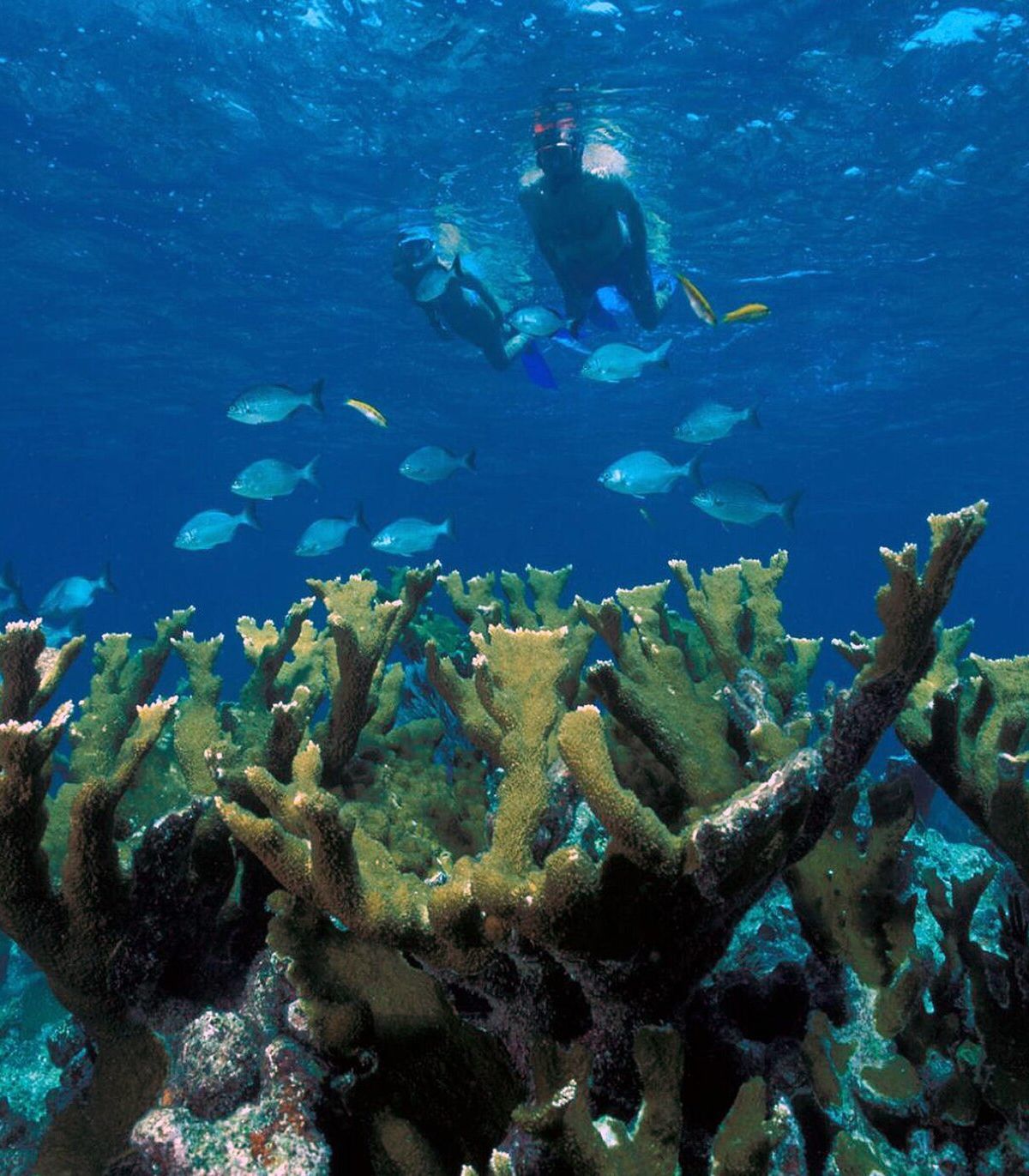
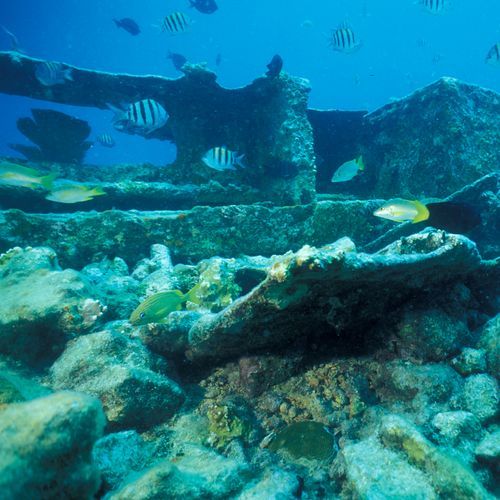
The park's eastern boundary reaches out to the Florida Reef, where the seafloor drops gradually and then rises into a nearly unbroken line of coral. Elkhorn coral dominates the offshore reefs down to about 33 feet, and staghorn coral takes over in deeper water. The reef supports over 200 kinds of fish, plus mollusks, crustaceans and worms.
Snorkeling and scuba diving are both popular here. The reefs lying east of Boca Chita, Elliott and Adams Keys are a strong choice for snorkeling. Rangers at the visitor center suggested Anniversary Reef, and Bache Shoal is another reef spot to try. The Biscayne National Park Institute runs guided snorkel tours, and advance reservations are advised. Choosing reef-safe sun protection helps protect both you and the park's reefs.
The Maritime Heritage Trail takes in a number of shipwrecks, and guided snorkel trips visit one of them. The Mandalay shipwreck is one of the snorkel spots in the park. Fowey Rocks Lighthouse is another. Numerous shipwrecks also lie along the offshore reef.
Scuba divers can explore those shipwrecks along the offshore reef too. Boaters with their own vessel can use the mooring buoys placed on the reefs. Coordinates for each snorkel site and buoy are published on the National Park Service website. Private charters also run trips around the park.