Capitol Reef National Park guide · 1 min read
Desert Bighorn Sheep, Mule Deer and Pronghorn
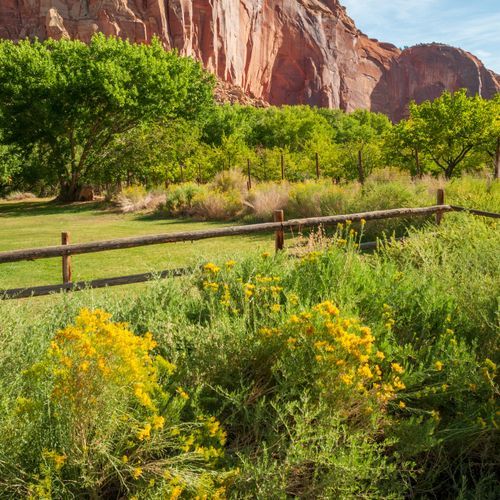
Green stands out most in the riparian corridors near Fruita, where cottonwoods and willows grow along the rivers.
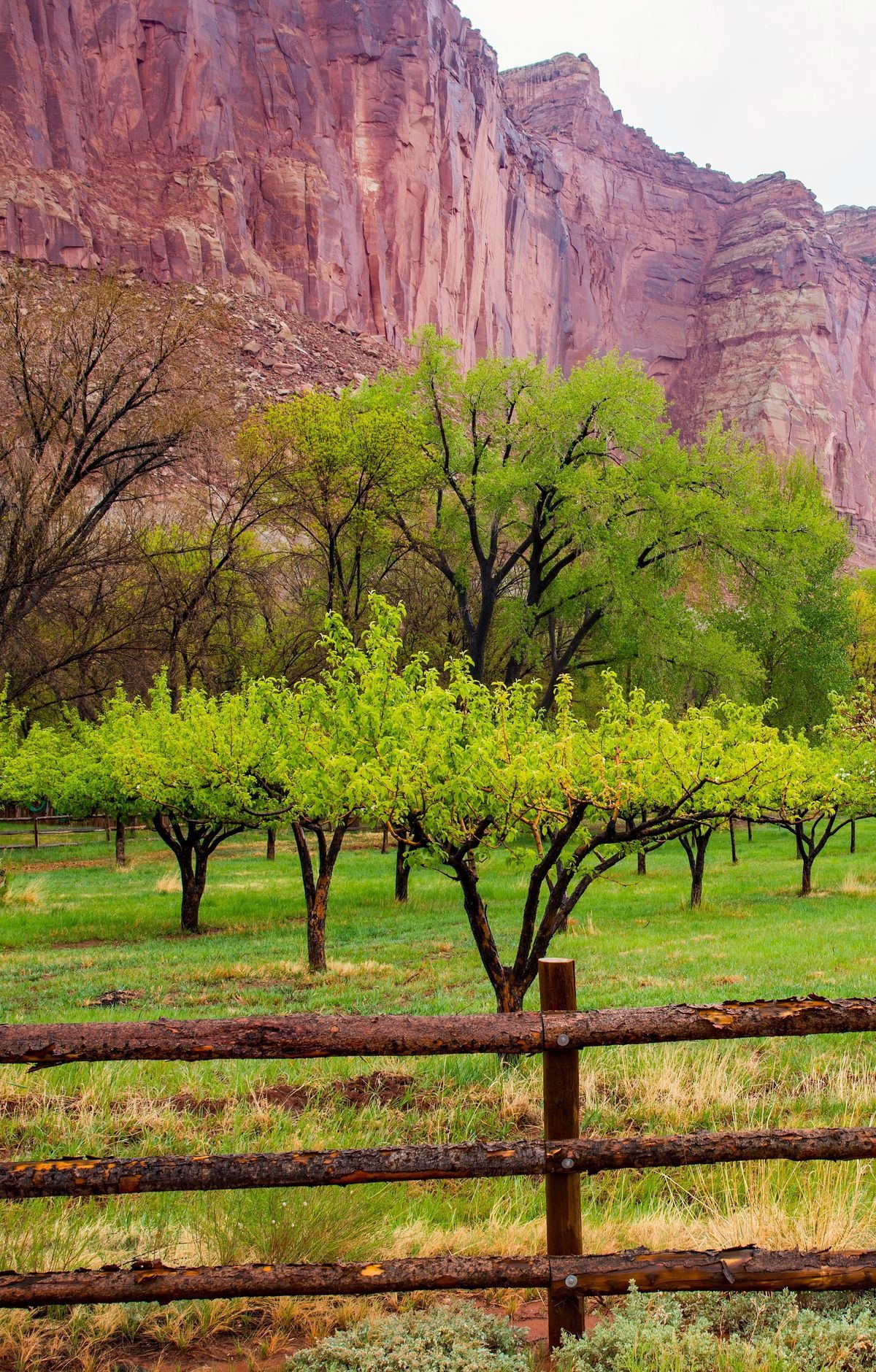
Invasive tamarisk grows there too. Pioneer orchards along the Fremont River add another layer to the landscape, with cherry, peach, pear, apricot, and apple trees among them.
Drier ground supports sagebrush, Utah juniper, and several kinds of prickly pear, with pinyon pine rising at higher elevations. In early spring, the cacti and a few desert wildflowers put on a brief show. Much of the bare-looking ground is covered by biological soil crust, also called cryptobiotic soil. This living mix of bacteria, moss, and lichen anchors loose soil and holds in moisture. Crust that gets damaged can take centuries to recover, so stay on established trails, and if you must step off them, walk in washes or on bare rock.
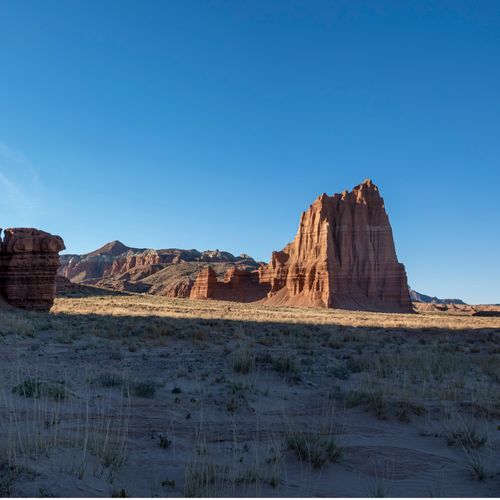
The Waterpocket Fold is a long ridge of raised earth, about 100 miles long, and its landscape includes slot canyons, waterfalls, cliffs, arches, and long views. Nearby, the Henry Mountains host a free-ranging bison herd, and the range also holds notable geologic resources.
A traditional way to see the park is on horseback or with pack animals. The term pack animals covers horses, burros, and mules. The park sometimes uses horses to haul supplies to remote areas. Anyone staying overnight with horses or pack animals needs a Backcountry Use Permit, which you can get at the visitor center. Animals may not be kept overnight in roadside pullouts, campgrounds, picnic areas, or orchards, except at the Equestrian Staging Area at Post Corral.