Castillo de San Marcos and Fort Matanzas National Monuments guide · 1 min read
Dolphins, Ospreys, and Sea Turtles at Matanzas Inlet
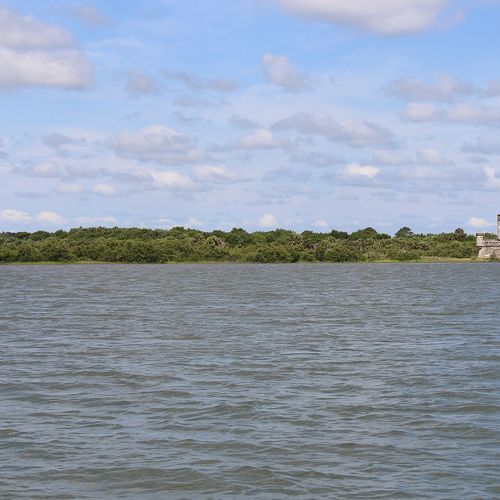
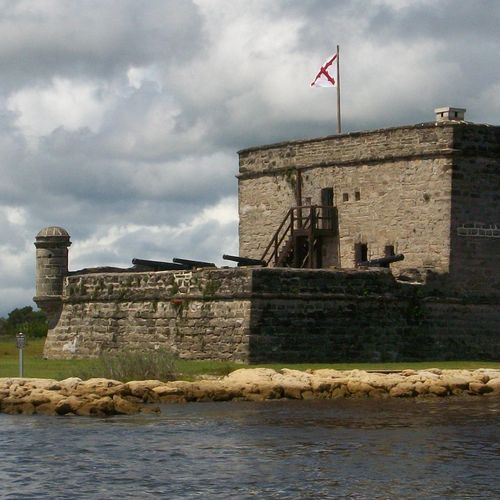
The Matanzas River flows right past Fort Matanzas on its way to Matanzas Inlet, about fourteen miles south of the inlet at St. Augustine as the crow flies.
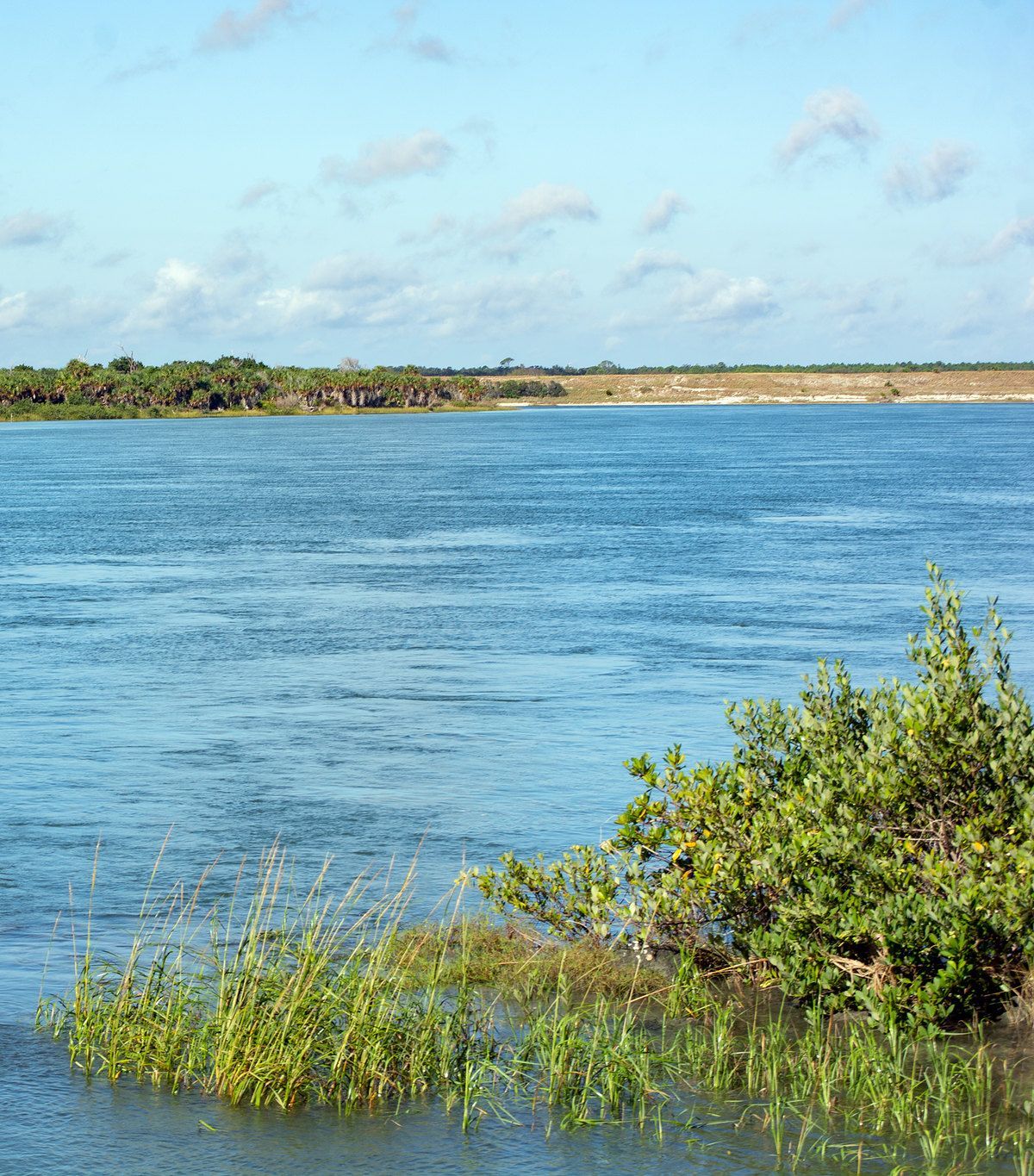
It is really a tidal estuary rather than a true river, so the water pushes inland on an incoming tide and streams back toward the sea on an outgoing one. During a spring tide, currents through the narrow inlet can reach four knots, and the water level can shift by about six feet, uncovering wide stretches of shoreline.
Dolphins are a common sight here, often seen hunting and swimming in the river. Sea turtles appear less often, but visitors have spotted them in the shallow river water near the inlet. The short ferry ride across the Matanzas River to the fort puts you right on the water, so keep an eye on the surface for both.
More than 200 bird species have been recorded at Fort Matanzas. Ospreys, also known as fish hawks, fly overhead, while wading birds fish along the shore. Look for roseate spoonbills walking through the shallow marsh and wood storks, which can be seen all year. Pelicans are frequent visitors on the river, and Wilson's plovers and red knots run along the edge of the water.
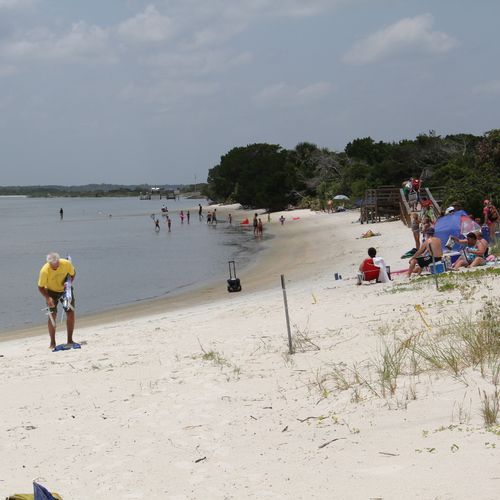
Inside the monument, sandy beaches and sandbars spread out around the inlet, giving you room to beachcomb and watch for wildlife. As the tide drops, even more shoreline opens up along the river. If you plan to swim, watch for rip currents, since the inlet can carry very strong currents.