
Castillo de San Marcos and Fort Matanzas National Monuments guides
7 in-depth guides to Castillo de San Marcos and Fort Matanzas National Monuments, in reading order: what to see, how to get around, and what to know before you go. Back to the Castillo de San Marcos and Fort Matanzas National Monuments overview.
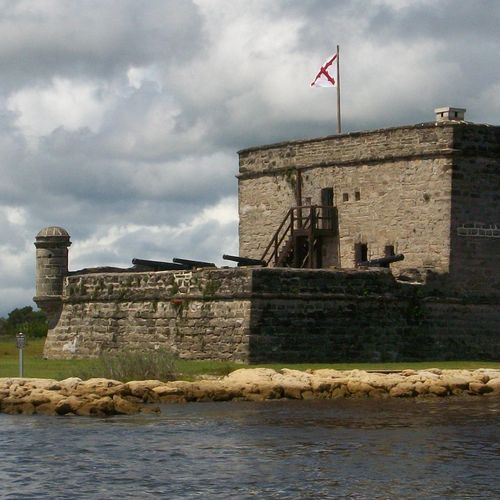
Planning a Visit to Both Forts
Castillo de San Marcos is a walk-in park, so every visitor age 16 and up needs a ticket of their own.
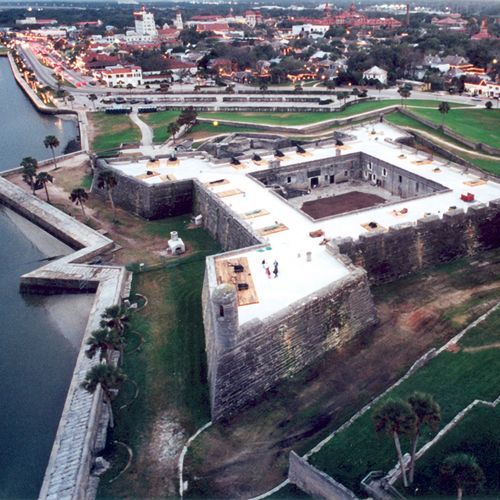
Inside the Castillo's Bastions and Casemates
Four diamond-shaped bastions jut from the corners of the Castillo, pointing outward from a square plaza whose sides each run 320 feet.
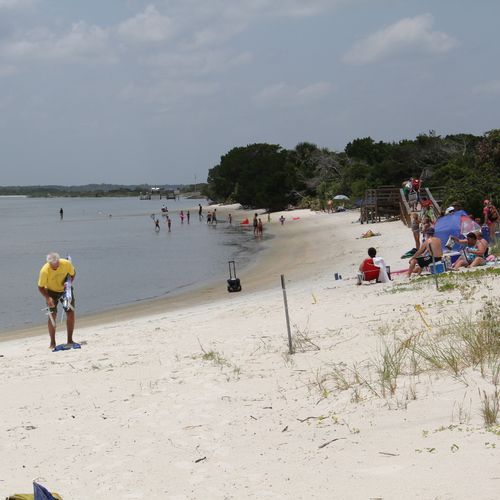
Fort Matanzas Beaches: River Side, Ocean Side
Fort Matanzas has two beaches, one on the Atlantic and one on the Matanzas River, with A1A running between them.
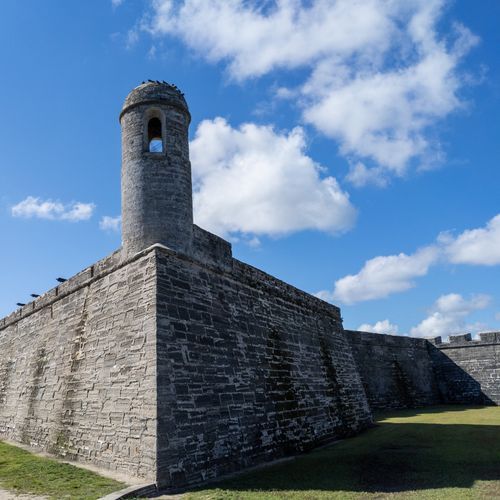
Coquina: The Shell Stone Behind Two Forts
Both Castillo de San Marcos and Fort Matanzas are built from coquina, a stone made almost entirely of seashells.
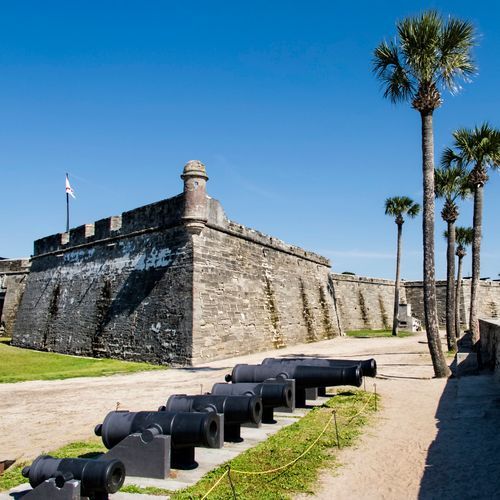
Oglethorpe's 1740 Siege of St. Augustine
In May of 1740, James Oglethorpe moved against Spanish Florida. He had established Savannah and the Georgia Colony in 1733 and built Fort Frederica in 1736 to guard his colony's southern edge, and the War of Jenkins' Ear gave him his opening.
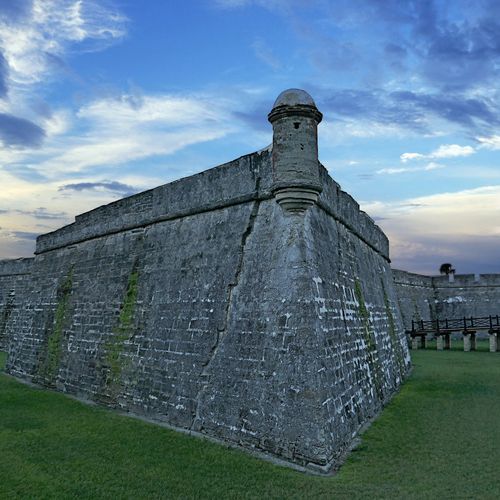
Fort Marion: The Castillo Under the U.S. Army
When the United States took over the Castillo in 1821, its Spanish name was simply translated to Fort Saint Marks.
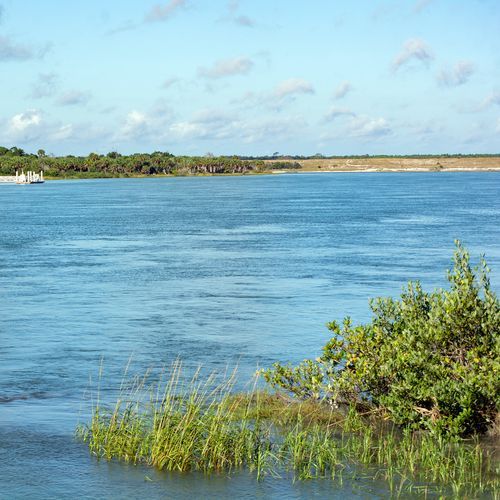
Dolphins, Ospreys, and Sea Turtles at Matanzas Inlet
The Matanzas River flows right past Fort Matanzas on its way to Matanzas Inlet, about fourteen miles south of the inlet at St. Augustine as the crow flies.