Castillo de San Marcos and Fort Matanzas National Monuments guide · 2 min read
Fort Marion: The Castillo Under the U.S. Army
When the United States took over the Castillo in 1821, its Spanish name was simply translated to Fort Saint Marks.
That caused confusion, because a second Spanish fort about 20 miles south of Tallahassee, Castillo de San Marcos de Apalache, carried the same name. On January 7, 1825, a general order renamed the St. Augustine post Fort Marion, after Revolutionary War General Francis Marion. The name stuck for well over a century.
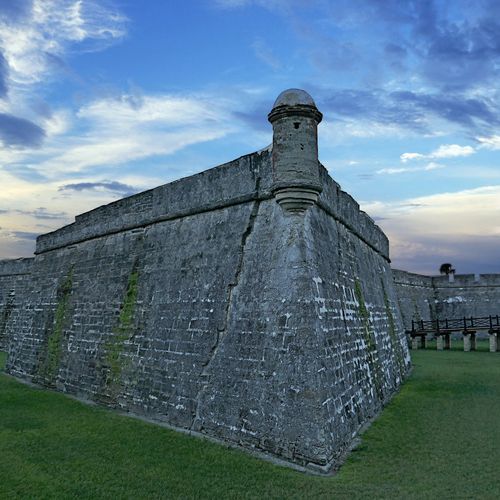
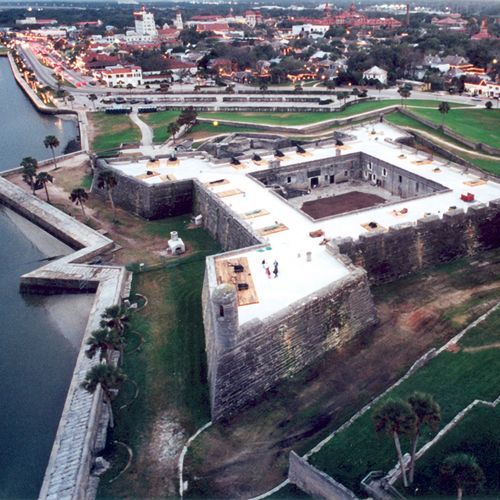
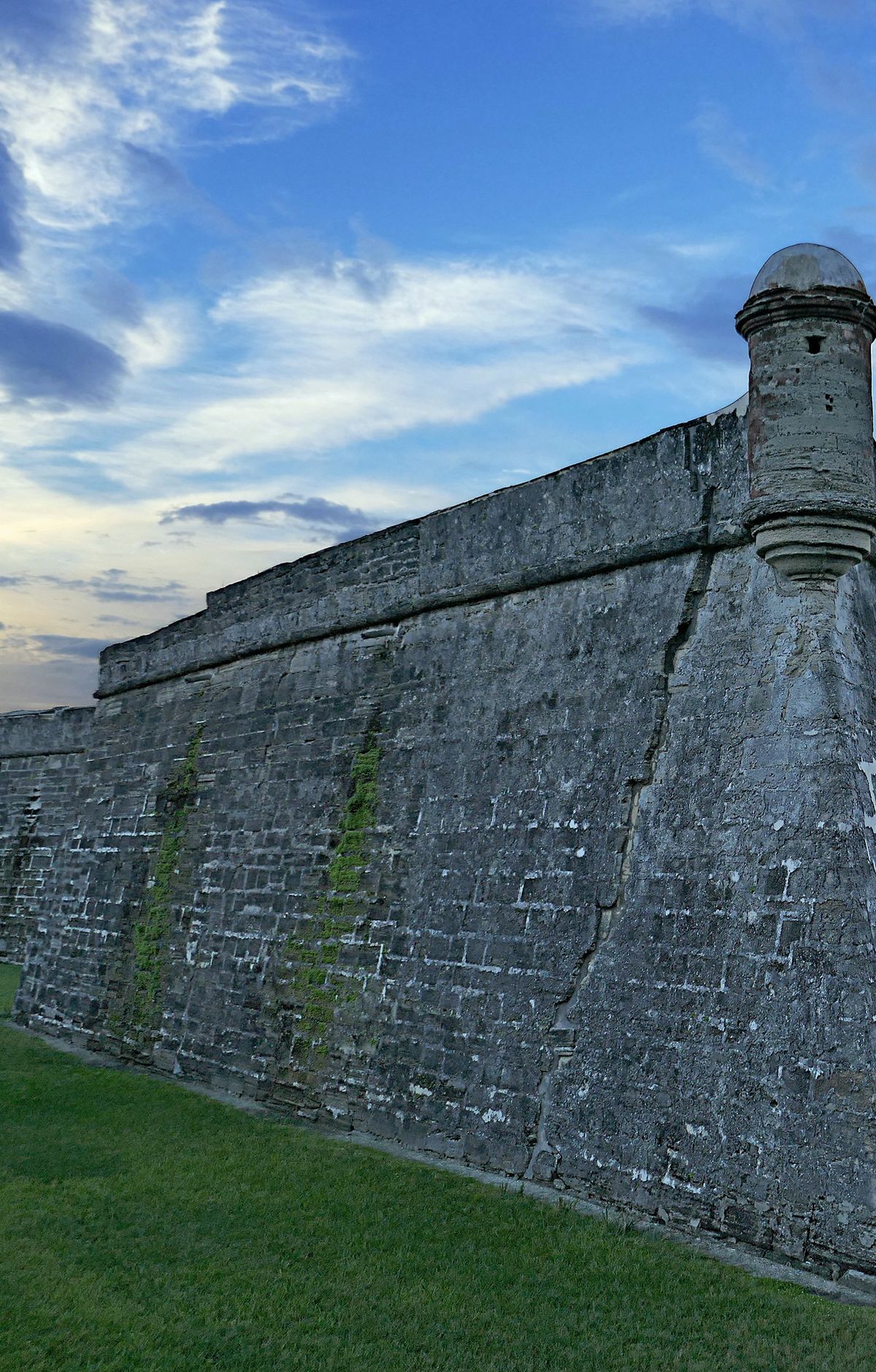
American engineers found the old fort in rough shape, with cracked masonry walls, a leaking terreplein and a water battery that was falling apart. Soldiers lived in the nearby St. Francis Barracks instead, and Fort Marion became a storehouse. A few casemates were turned over to local officials for use as a jail. Today a seawall and the water battery still stand between the fort grounds and Matanzas Bay on the east side.
The Fort Marion years brought some of the fort's darkest chapters. In the fall of 1837, during the Second Seminole War, the Army held the Seminole leader Osceola and other captured Seminoles here; that November, Coacoochee and about 19 others escaped through a narrow opening high in their cell. In 1875, 74 captives from western tribes arrived, and ledger art, a Native American drawing tradition, took root among the Plains prisoners held here. From 1886 to 1887, about 500 Apaches, many of them Chiricahua and Warm Springs Apaches from Arizona, were crowded into a fort with room for about 150 people.
No attacker has ever broken through its walls or captured it.
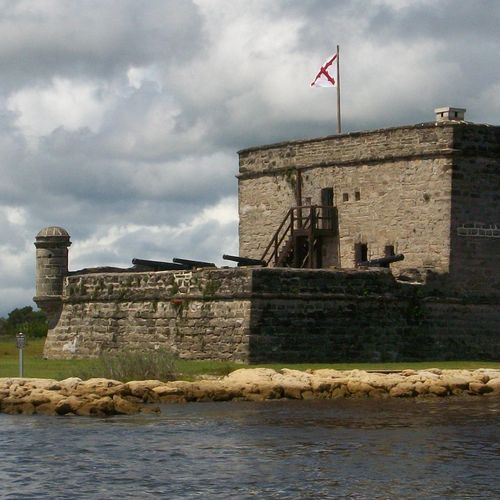
In 1924, President Calvin Coolidge used the Antiquities Act to declare Fort Marion a national monument, along with Fort Matanzas, Fort Pulaski, Fort Wood and Castle Pinckney. On August 10, 1933, the War Department handed the fort to the National Park Service. Then in 1942, Congress gave the fort back its Spanish name, Castillo de San Marcos, as a tribute to the people who built it.