Death Valley National Park guide · 1 min read
Gold Tier Dark Skies After Sunset
Death Valley holds the top rank for dark skies, Gold Tier, from the International Dark-Sky Association.
The park sits far from cities and is managed with care to protect its darkness. Nights here are dark enough that some celestial objects seen from the park cannot be viewed anywhere else.
The park has no closing time, so there is plenty to see once the sun goes down. Rather than calling it a day at dusk, visitors can stay out and look up. Away from lodging, campgrounds and major roads, most of the park works well for night-sky viewing.
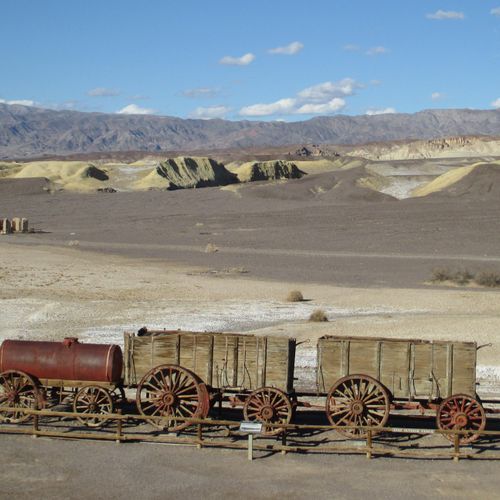
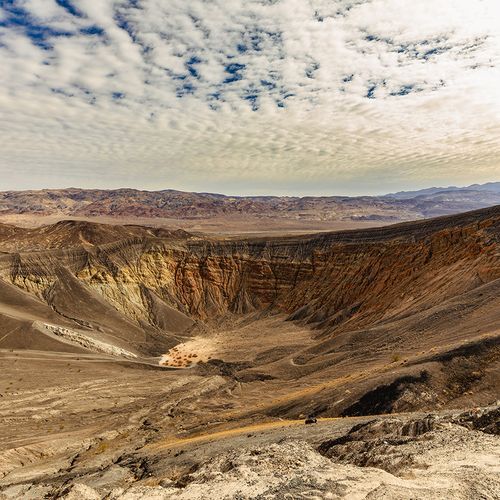
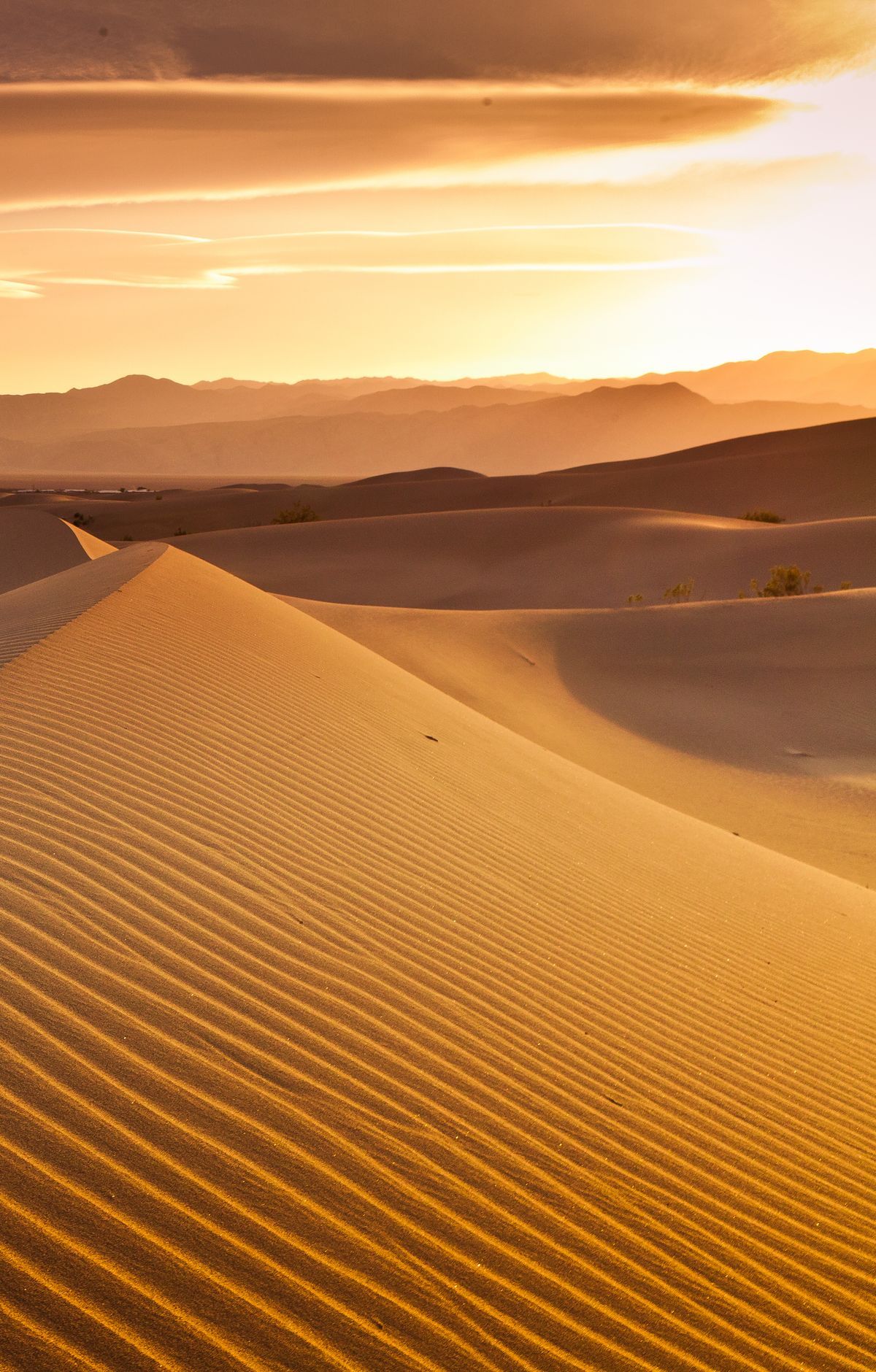
Rangers recommend several stargazing spots. Mesquite Flat Sand Dunes and Ubehebe Crater are two of them. Harmony Borax Works is a historic plant site with ruins and a paved 0.4-mile loop, though there are no restrooms there. At Badwater Basin you stand on a broad salt flat 282 feet below sea level, the lowest point in North America, with mountains rising in the distance.
A few habits make a difference. Give your eyes about 30 minutes to fully adjust. Red light is gentler on night vision, so a red filter over your flashlight is worth having. A new moon, when the moon is out of view, gives the darkest skies, so schedule your visit around it and bring binoculars.
Dark Sky Astronomy Programs bring ranger talks, telescope sessions and trivia nights, with topics ranging from nearby planets to galaxies far beyond our own. Each spring, the park also hosts a Dark Sky Festival that runs for several days. Researchers share their work in talks spread across the park, some held in the auditorium, at no charge. An Exploration Fair brings interactive displays, plus telescopes you can peer through.