Everglades National Park guide · 2 min read
Crocodiles, Manatees, and Panthers
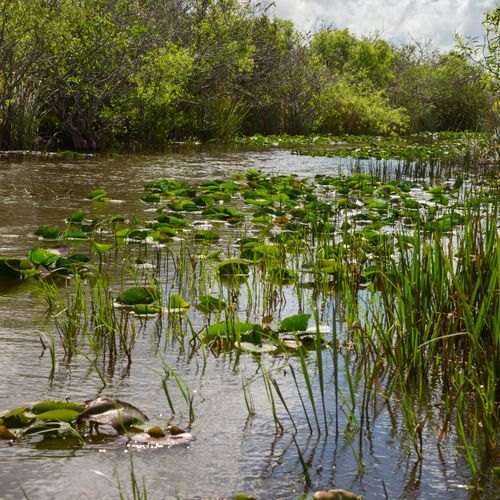
Everglades National Park is the one place on the planet where alligators and crocodiles share habitat, and at spots like Paurotis Pond or Nine Mile Pond you might see both in a single stretch of water.
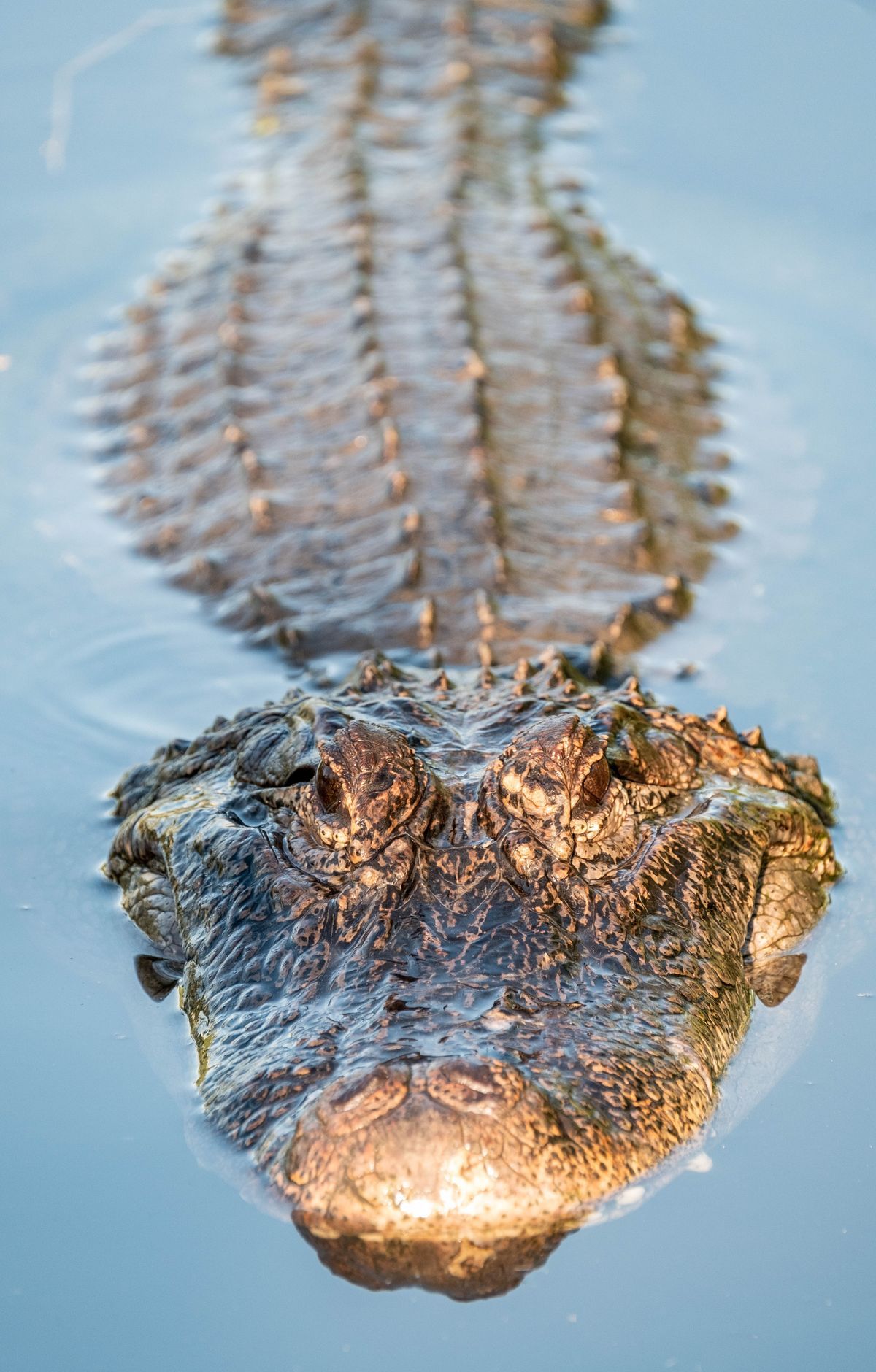
Look at color first: an alligator is nearly black or a deep gray, while a crocodile has a greenish gray hide. Alligators favor fresh water, and American crocodiles generally choose salt or brackish water. South Florida is the only part of the United States where American crocodiles live, and hunters once killed many for their skins. Hunting them is now banned, yet they still lose habitat and get hit by cars as they cross roads on the way to water.
Several rare and endangered animals depend on this park, the West Indian manatee among them. Few mammals anywhere are closer to vanishing than the Florida panther. Roughly 230 remain in the wild, with most living in the Everglades and the Big Cypress Swamp. The cats are elusive, so sightings are uncommon. Development that eats into their range, collisions with cars, and inbreeding pose the greatest danger.
Birdwatching draws many visitors, and herons and storks are the park's signature birds. Tall cypress trees serve as nesting sites for herons, egrets, ibises, and anhingas. As restoration work continues, bird numbers are climbing.
Stay a minimum of fifteen feet from any alligator or crocodile. They are wild and can hurt people, and a hiss means you should back away even if you are already beyond that distance. Their hunting happens mostly between evening and early morning, and an animal that seems frozen in place can strike in an instant. Never touch one, and leave them alone: feeding or harassing them is a criminal offense.
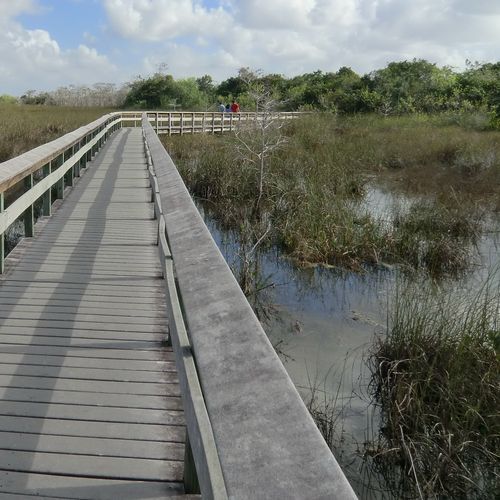
For a view from above, head to Shark Valley along the Tamiami Trail. From the visitor center, a path of about fifteen miles out and back reaches a two-story tower. At about 70 feet above sea level, its top is the highest spot in the park a visitor can reach on foot.