Gates Of The Arctic National Park & Preserve guide · 2 min read
Nunamiut Hunters and 12,000 Years of History
Nomadic groups lived across the Brooks Range for more than 12,000 years, relying mainly on caribou and other wildlife.
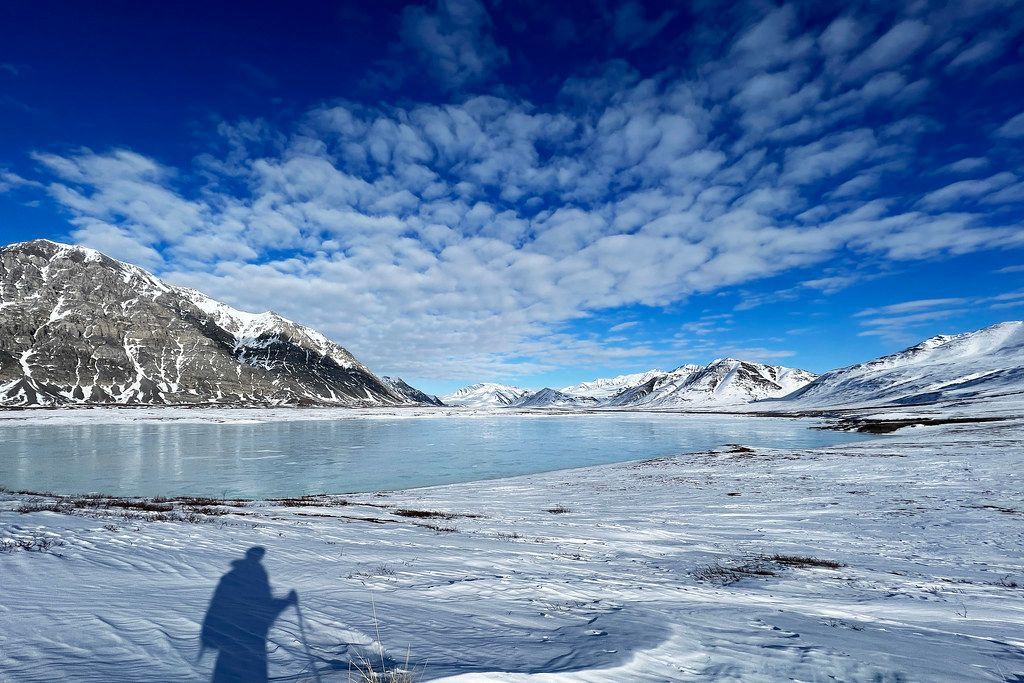
Evidence of people living at the Mesa site along Iteriak Creek dates from 11,500 to 10,300 years ago. Younger sites have yielded hunting points, stone knives and net weights. Evidence of the Ipuitak phase, a late stage of the Arctic small tool tradition, has been found at the Bateman Site on Itkillik Lake inside the park.
Around the year 1200, the first Iñupiat reached the Arctic coast, and some later moved into the Brooks Range, where they came to be known as the Nunamiut, meaning people of the land. A sharp drop in caribou numbers in the early 1900s sent many Iñupiat to the coast. They returned to the mountains and resumed caribou hunting in the late 1930s. By 1949 the final two semi-nomadic bands had merged along the Anaktuvuk River, and over the following decade they founded the settlement now called Anaktuvuk Pass.
Caribou still shape life here. The park protects habitat for three herds, the Western Arctic, Central Arctic and Teshekpuk, which travel widely and feed on low plants and lichens that grow slowly. Congress safeguarded the long-standing subsistence rights of local rural residents when the park was set up in 1980. Only local rural residents may hunt for subsistence inside the national park, while the preserve also allows sport hunting. Nunamiut and Athabascan people, plus some non-Native residents, still practice subsistence here.
Anaktuvuk Pass is one of ten resident zone communities just outside the park's borders that draw food and income from its resources. The park has no roads or established trails, so visitors fly in by small aircraft or hike in. Respect private property, such as cabins, caches, traplines and fishnets, and leave camps and gear alone. Many prehistoric and historic sites hold deep meaning for local Native people, so leave them undisturbed.