Gates Of The Arctic National Park & Preserve guide · 1 min read
Subsistence Life in Resident Zone Communities
Several communities in and around the park are designated resident zone communities. Allakaket, Shungnak, Alatna, Ambler, Anaktuvuk Pass, Bettles, Evansville, Hughes, Kobuk, Nuiqsut, and Wiseman make up the group, and residents depend on the park for food and income.
In 1980, when the park was established, Congress passed the Alaska National Interest Land Conservation Act to protect the subsistence rights that rural residents have long held through customary and traditional use. Federal regulations restrict hunting, fishing, and trapping in the park to rural Alaskans approved for the species and area involved. Eligible people also have to reside in a resident zone community, live within the park's borders, or hold a subsistence use permit.
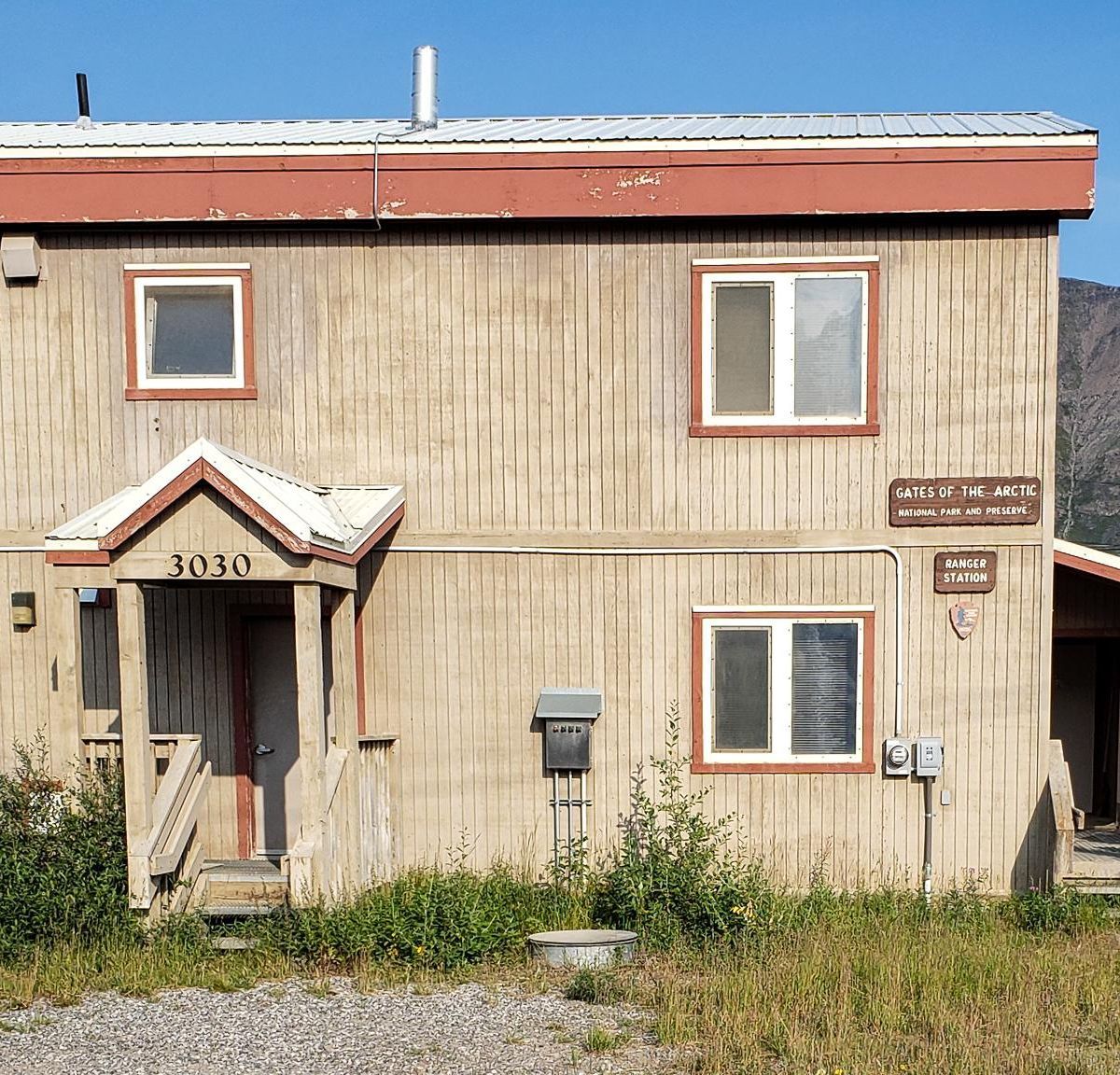
Anaktuvuk Pass sits inside the park boundary on a mountain pass roughly 2,100 feet high. No road reaches the village, so visitors and residents alike arrive on commercial flights from Fairbanks. Most residents are Nunamiut, inland Iñupiat whose families have lived in the Brooks Range for generations, and many still hunt caribou to support their way of life. National Park Service rangers staff the Anaktuvuk Pass Ranger Station.
Caribou are central to subsistence here. The park protects habitat for the Western Arctic, Central Arctic, and Teshekpuk herds, which roam wide stretches of tundra and graze on low plants and slow-growing lichens. Nunamiut and Athabascan people, along with some non-Native residents, carry on subsistence hunting inside the park today.
Subsistence is part of daily life here, so visitors are asked to be considerate. Cabins and private land are scattered across the region, so stay off private property unless the owner has given permission. Leave cabins, caches, traplines, and fishnets alone, and give local camps and equipment the same respect. Sport hunting is allowed only in the preserve, not in the national park.