Gates Of The Arctic National Park & Preserve guide · 2 min read
Permafrost, Tundra and Leave No Trace
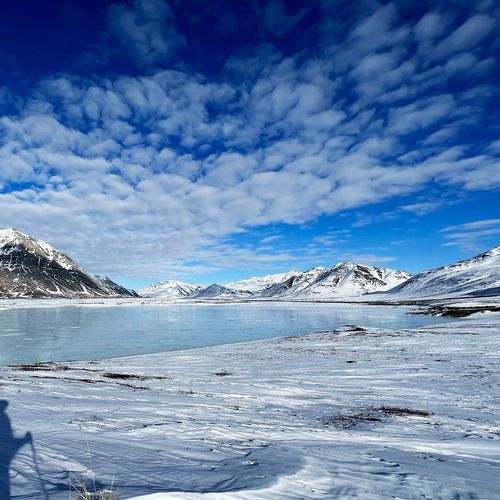
Permafrost lies beneath much of this landscape, and the growing season is short, which together leave the tundra surprisingly fragile.
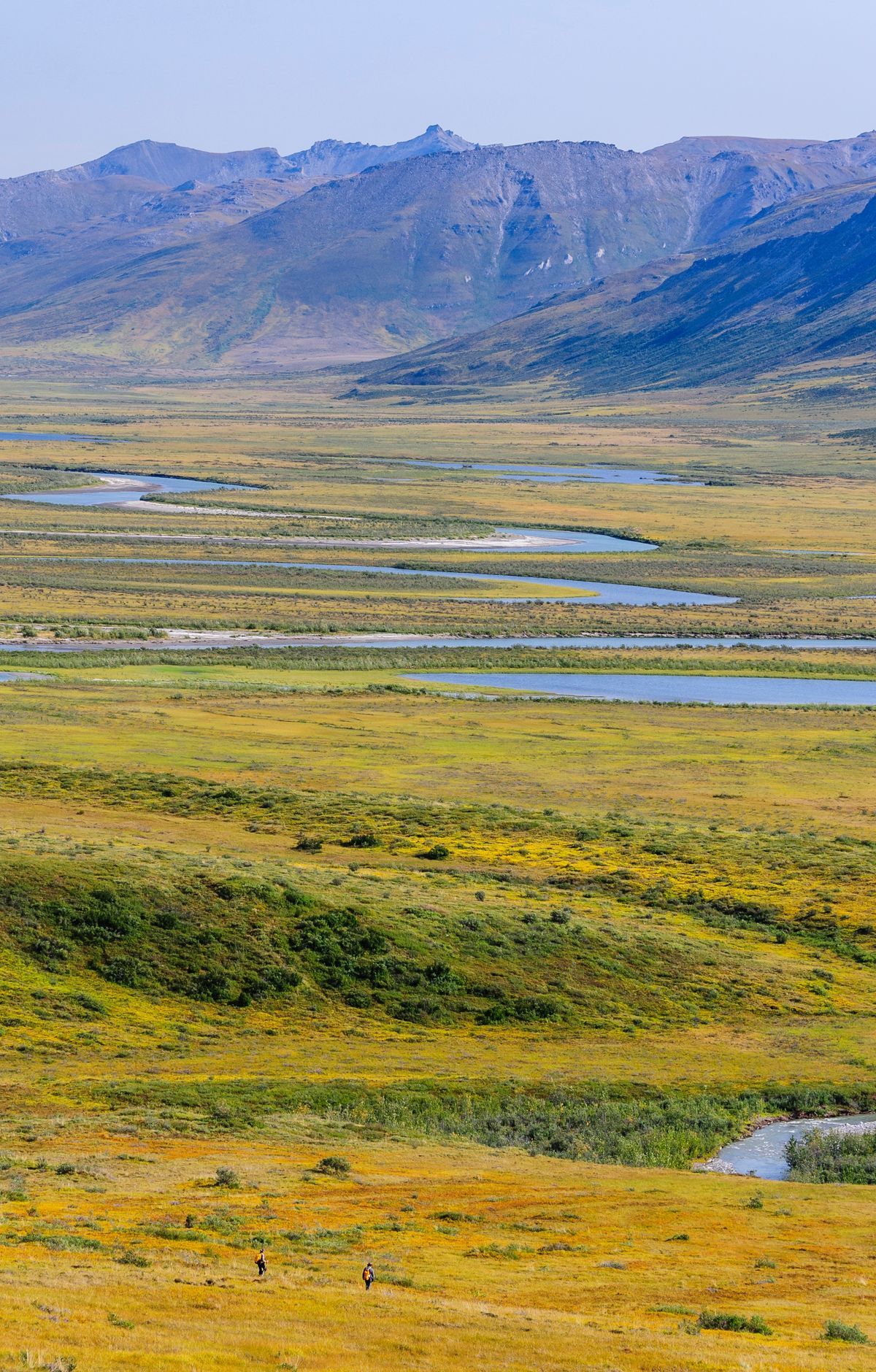
On the north slope, tundra runs to the Arctic Ocean with few trees, and its lichens and mosses grow and recover slowly. When permafrost thaws, bare soil is left exposed, and erosion and slope failures can follow. Protecting the ground here starts with where you walk and where you pitch your tent.
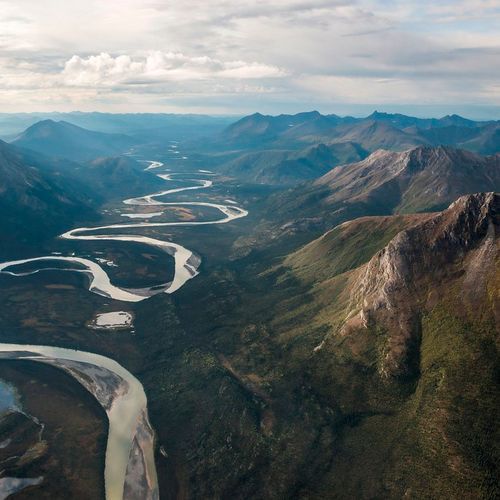
The park has no designated campsites, so choosing a spot takes care. Gravel bars often have fewer mosquitoes, and high water will erase any trace of your visit. Keep your tent well above current water levels, since rivers can rise without warning, and use an already damaged spot rather than making a new one. When you must pitch on plants, choose grasses and sedges rather than the more delicate lichens and mosses. Shift camp every two or three days, and slip on soft-soled shoes around camp so the vegetation gets some rest.
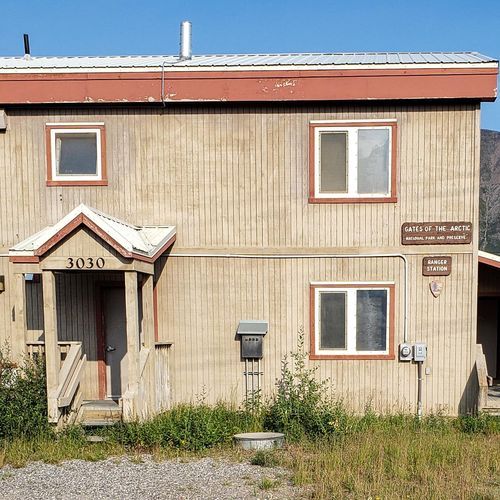
You may run into private land and cabins even on remote routes through the park. Leave cabins, caches, traplines and fishnets as you find them, and ask the area's manager who holds the land before you set out. Maps show many cabins, yet numerous ones are gold rush era relics in disrepair, so maps can mislead. Nunamiut and Athabascan people, along with some non-Native residents, continue subsistence living here, so respect their property, camps and equipment.
Arrigetch Cabin has collapsed inward, so look at it, but leave it undisturbed. The designated wilderness spans about 7.26 million acres and has no established roads, trails or visitor facilities. Plan to be self-sufficient and carry the skills needed to survive in wild country. Historic objects and archaeological finds number in the thousands, so leave them where they lie for others to discover.