Great Smoky Mountains National Park guide · 1 min read
Elkmont: From Logging Town to Resort
Archeological finds at Elkmont show that people used this valley at least 5,000 to 8,000 years ago, during the Middle Archaic Period.
Euro-American farmers arrived in the 1800s. Jakes Creek is named for Jacob Hauser, thought to be the first of those settlers, and the Ownby and Trentham families also worked farms along its banks.
In 1908 the Little River Lumber Company founded Elkmont as a logging village. Timber cutting on a large scale brought a railroad line and a working community into the valley. Daisy Town, a row of vacation homes built between 1910 and 1935, now stands where a logging camp once was. Look for its porches and stone chimneys.
As the logging era passed, Elkmont became a mountain getaway. Two resort communities took shape here, the Appalachian Club and the Wonderland Hotel. When the national park was created, cottage owners were allowed to lease their properties back. That ended in 1992, when the government declined to renew the leases and the buildings were left empty. The old hotel building collapsed in 2005.
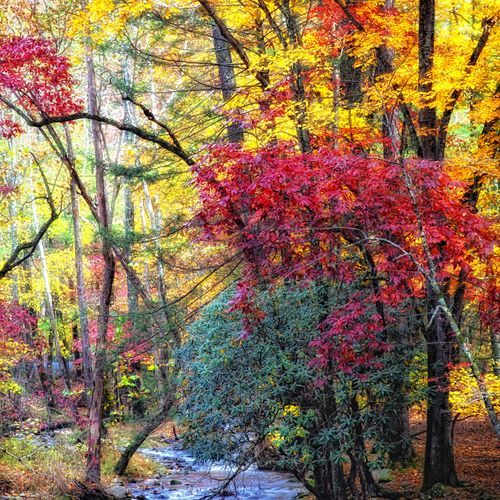
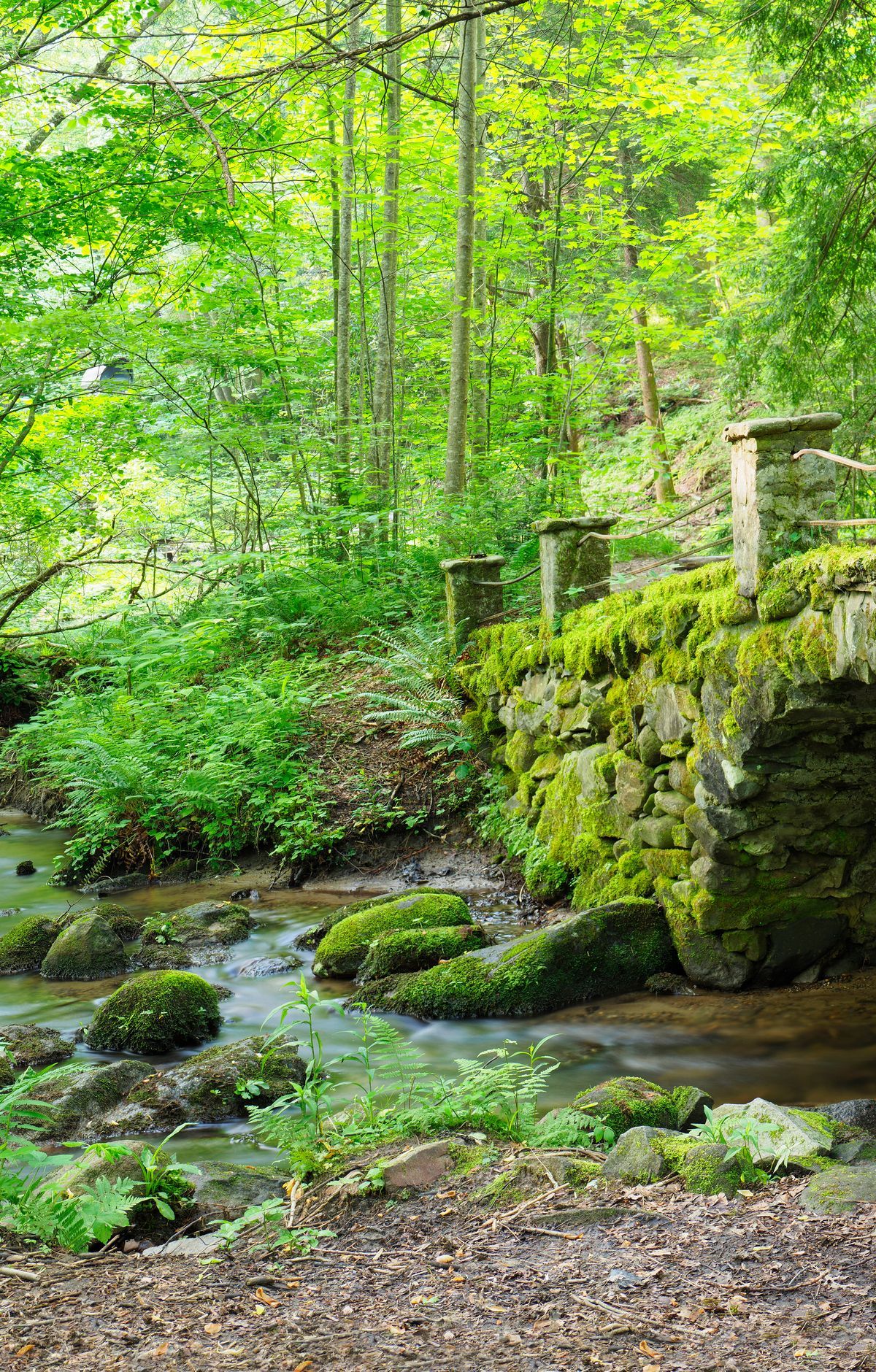
The Park Service preserves eighteen cabins tied to the Appalachian Club, and the clubhouse and Spence Cabin have been restored for day use by reservation. Walk the Jakes Creek and Little River trails to find chimneys and stone walls where other cabins once stood. A 5.4-mile loop joins the Little River, Cucumber Gap and Jakes Creek trails, passing historic buildings, creekside views and spring wildflowers on surfaces that range from paved road to rocky path with small stream crossings.
Elkmont Campground sits at 2,150 feet and is the nearest family campground to Sugarlands Visitor Center. Its 211 sites have flush toilets and drinking water but no hookups or showers. Winters here are mild, and summers run hot and humid.