Great Smoky Mountains National Park guide · 1 min read
When to Go: 1,500 Wildflowers and Beyond
Spring is when the park's more than 1,400 flowering plant species begin their show. Trilliums, Dutchman's breeches, Solomon's seal, bee balm and even hardy orchids appear in the mountains and valleys, while flowering trees add color overhead.
The Wildflower Pilgrimage marks the season with hikes, walks, lectures and programs, including wildflower, fern and tree identification walks and searches for salamanders.
The flowering shrubs follow. Catawba rhododendron opens purple blooms in May and June, and flame azalea, orange to sometimes red, comes close behind. Mountain laurel flowers between the catawba and the rosebay rhododendron, which carries white or light pink blooms in June and July. Every one of these blooms moves from lower to higher elevations, so you can follow the season uphill.
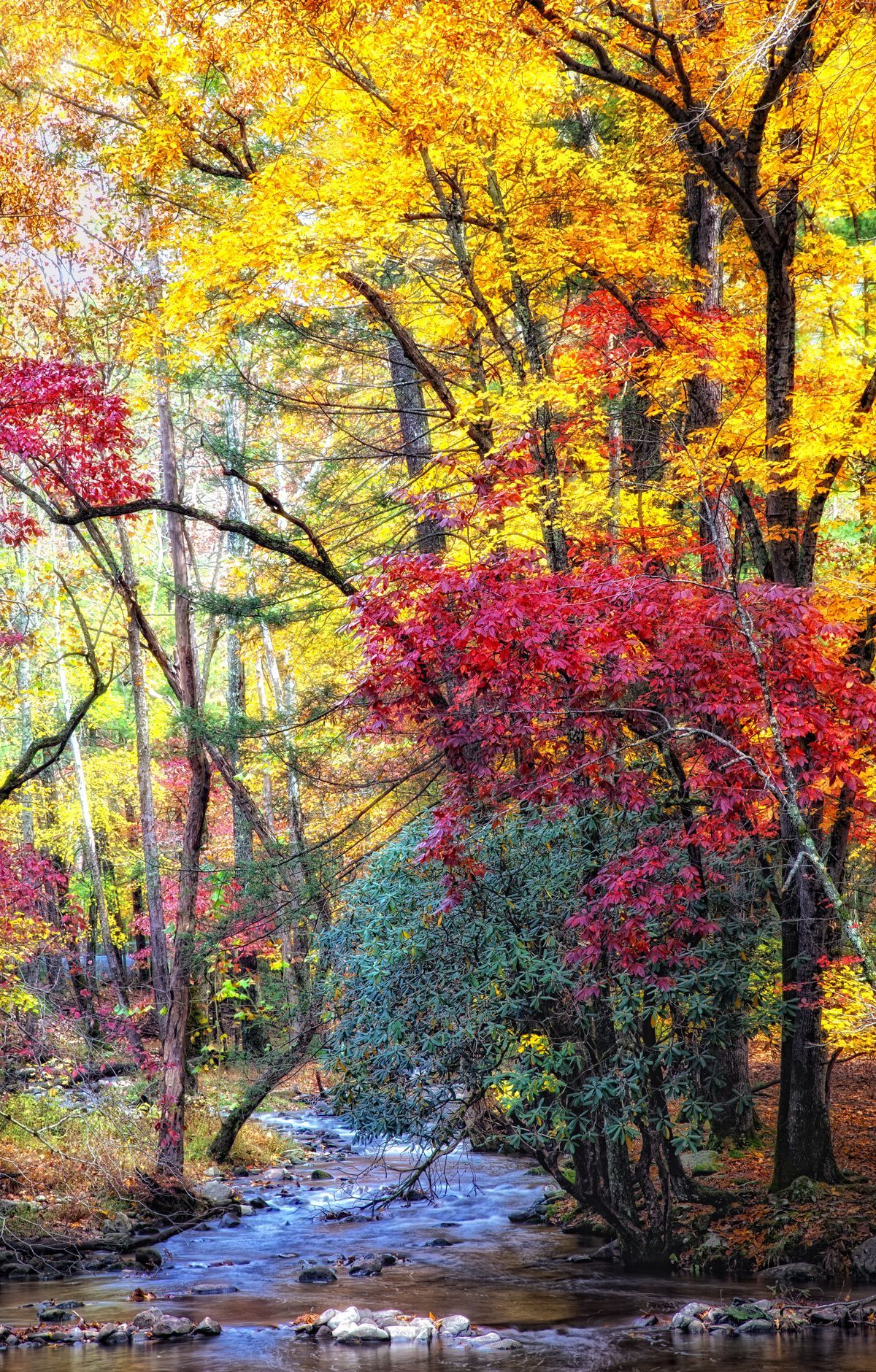
Autumn runs the other way, with color arriving first on the heights. In early October, yellow and gold leaves frame the highway near the crest at Newfound Gap, bright against dark green spruce, and trees along Walker Camp Prong turn the forest golden. By late October the peak has dropped to lower elevations, where the Little River at Metcalf Bottoms Picnic Area and parts of Little River Road glow with color.
Fall has its own wildflowers too. Goldenrod brightens the valley floor in Cades Cove, purple asters draw painted lady butterflies, and mountain gentian keeps blooming into late October. Pale jewelweed lines roads and trails from summer through early fall.
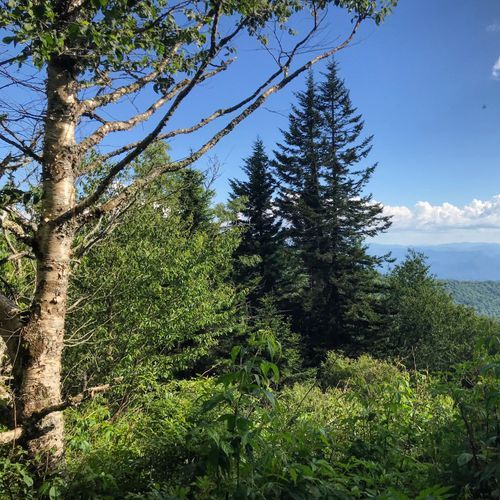
With more than 800 miles of trails, every season changes the hike. Winter's bare branches open views hidden the rest of the year, summer wraps hikers in dense green forest, and autumn brings crisp, dry air and a wide variety of fungi. If wildlife is your goal, May and October are good months to aim for.