Great Smoky Mountains National Park guide · 2 min read
Salamander Capital: America's Most Biodiverse Park
No national park in the country holds more kinds of living things than the Smokies. Around 19,000 species have been identified here, and scientists think another 80,000 to 100,000 may be waiting to be found.
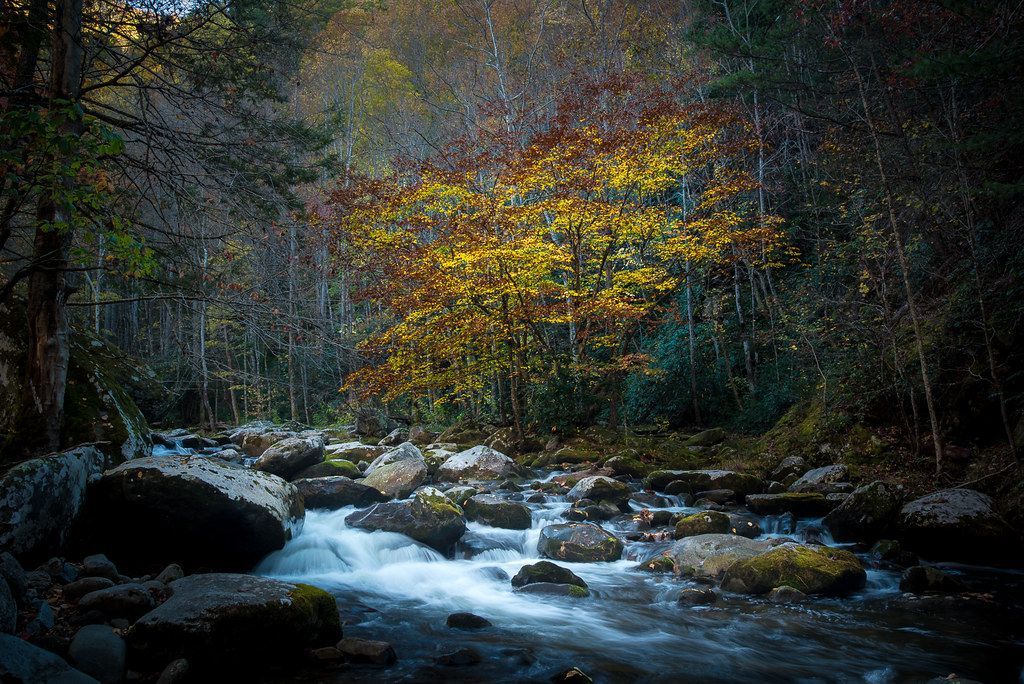
During the Last Glacial Period, these mountains became a shelter for plants and animals pushed out of their former ranges, and a wet, temperate climate has kept that variety thriving. Among temperate places of comparable size, none is known to rival this range of life.
The park counts 43 amphibian species, and salamanders are so plentiful that the Smokies are called the Salamander Capital of the World. Up to 31 salamander species, drawn from five of the world's nine salamander families, live in these mountains. Nowhere else on Earth will you find the red-cheeked salamander. Rushing streams are home to the hellbender, which may stretch to 29 inches long.
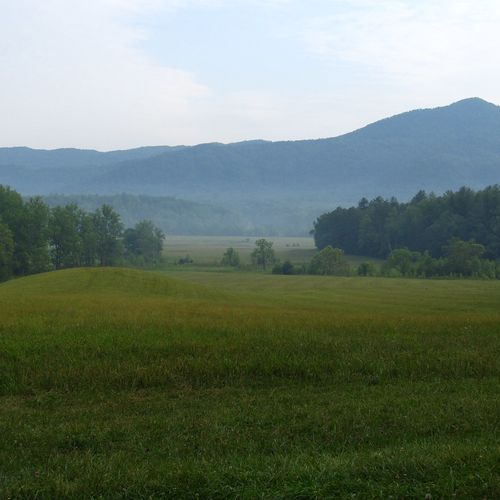
Of all the park's animals, the American black bear is the one people link most closely to the Smokies, and it serves as the emblem of park wildlife. Roughly 1,900 bears live here, and no area east of the Mississippi River has them more densely packed. Most adults weigh between 100 and 300 pounds, though bears as heavy as 600 pounds have been recorded. In Cataloochee, an elk herd brought in during 2001 is part of an effort to return the species to the North Carolina Appalachians.
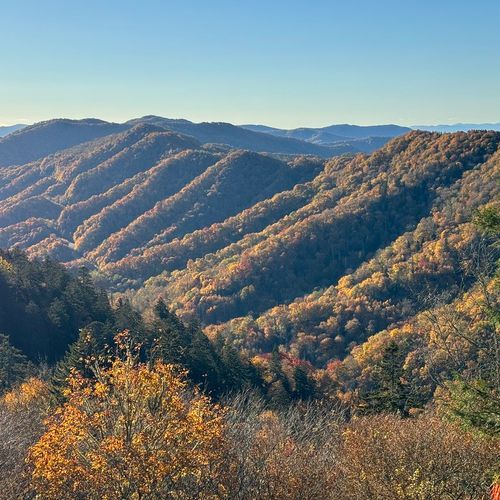
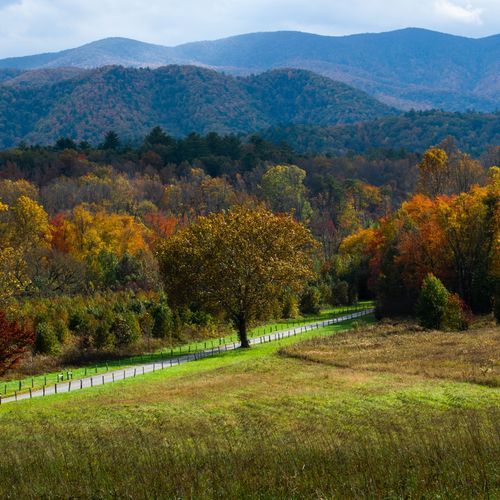
Forest blankets about 95 percent of the park, and an estimated 20 to 25 percent of it is old growth, with many trees older than European settlement of the region. More than 1,500 species of flowering plants grow here, a total no other North American national park can top, including 35 kinds of orchids and 27 violets. Spring wildflowers are a highlight.
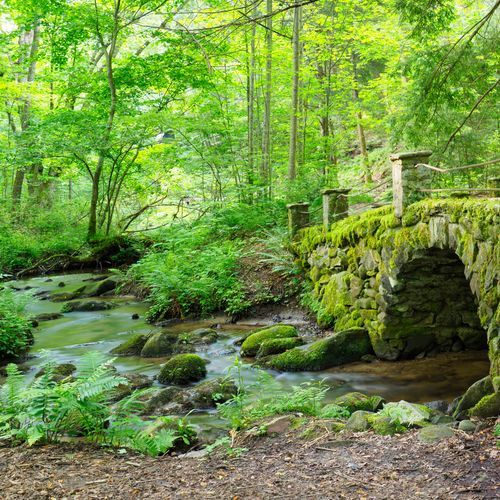
Of all the trout in park waters, only the brook trout is native. Introduced rainbow and brown trout crowd them out at lower elevations, so most brook trout now live in cold streams above 3,000 feet.