Hot Springs National Park guide · 1 min read
History of Hot Springs as a Wellness Destination
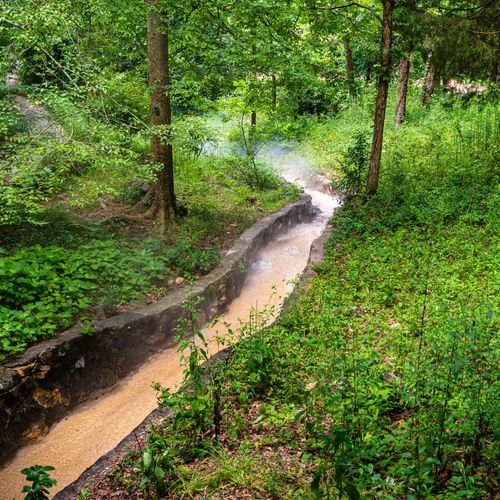
The ancient thermal springs are the reason Hot Springs became a place people came to for healing.
Long before a town grew up around them, trappers, hunters, and traders from France were familiar with the area during the 1600s and 1700s, and many of them likely soaked in the water themselves.
In 1803 the United States gained the land when it bought the Louisiana Territory from France. The following year, President Thomas Jefferson sent William Dunbar and George Hunter to survey the springs. Their report reached a wide audience and sparked curiosity about what they called the hot springs of the Washita. As more people came to soak, a proposal to set the springs aside for the nation went before Congress, and in 1832 the federal government reserved four sections of land.
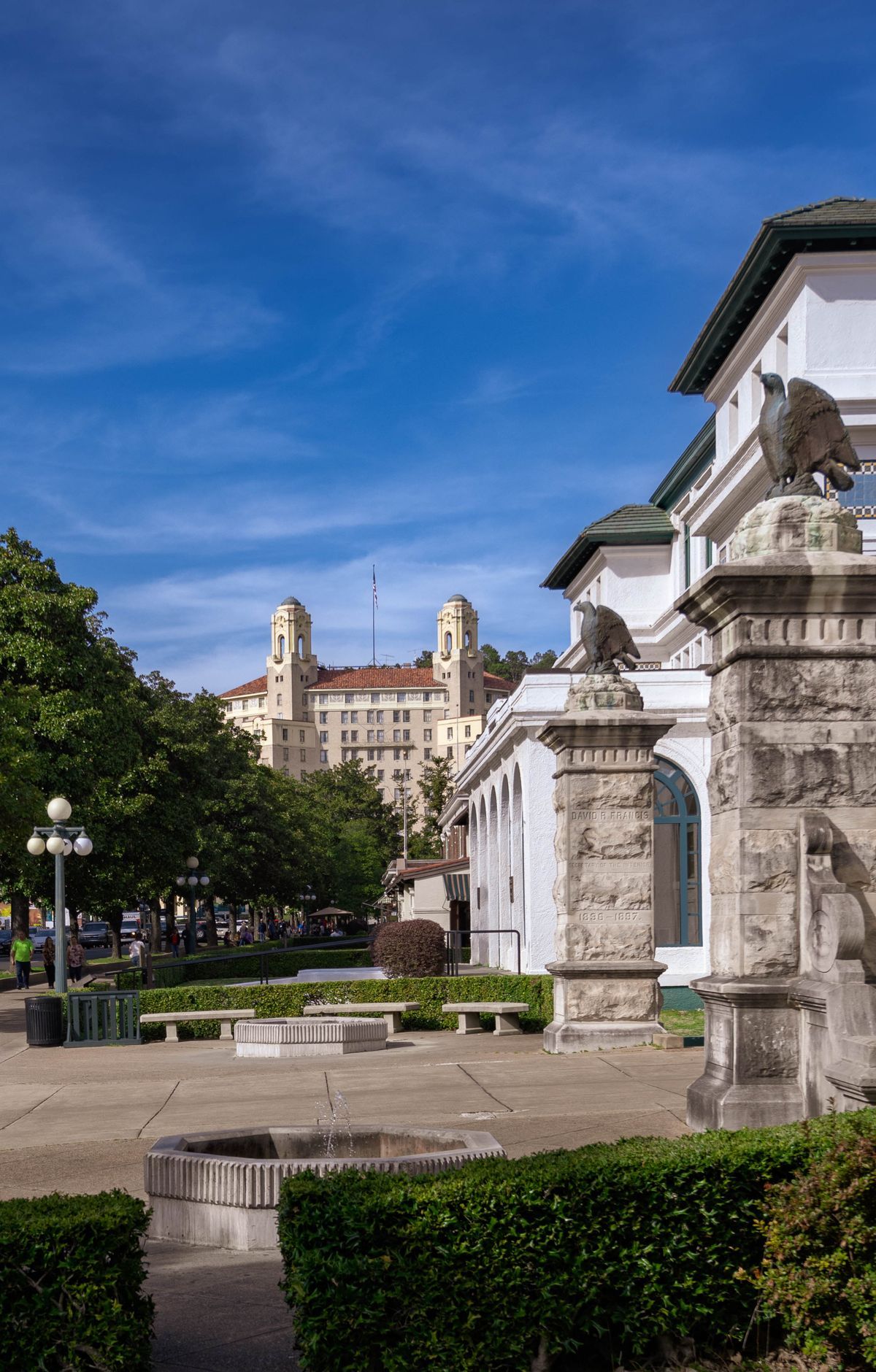
Nine historic bathhouses on Bathhouse Row still recall the spa heyday of the last century, when visitors came to the springs for healing. The Fordyce Bathhouse Museum and Visitor Center offers a look at the grand style of that era, and visitors can speak with a ranger there.
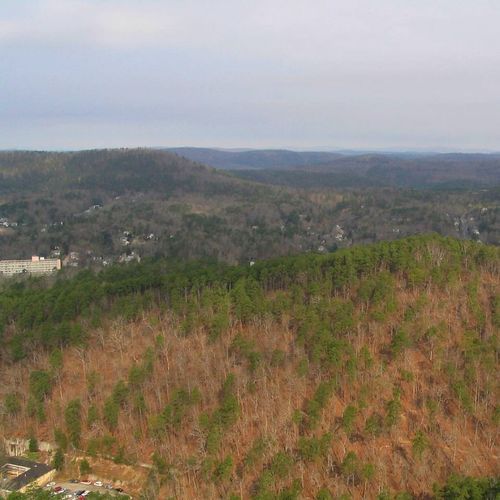
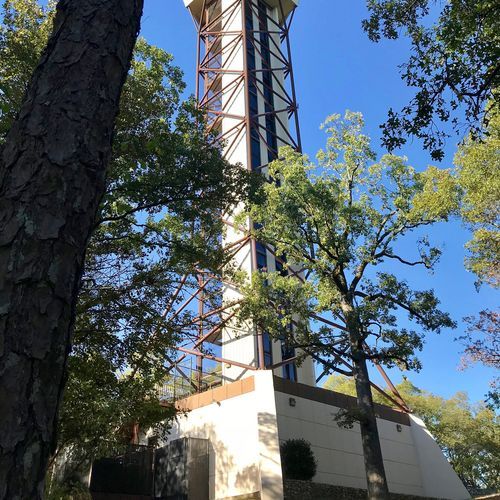
The observation tower on Hot Springs Mountain stands 216 feet tall. The first tower was built of wood in 1877 and taken down in 1971, and a new one opened to the public in June 1983. From its observation deck, which sits 1,256 feet above sea level, people can take in about 140 square miles, covering the whole park and part of the Ouachita Mountains.
Central Avenue is the town's principal thoroughfare, and it runs right beside Bathhouse Row. The city of Hot Springs begins on the opposite side of the avenue from the bathhouses. The National Park Service has no control over matters in the city, so the town stands apart from the park's management.