Joshua Tree National Park guide · 1 min read
Dark Sky Spots: Cap Rock to Pinto Basin
Night skies are a major draw here, since the park is an International Dark Sky Park and one of the finest national parks for watching the stars and capturing the Milky Way on camera.
On a clear night with no moon, stars are visible from anywhere in the park. Light from surrounding communities does reach some areas more than others, so the spot you choose matters.
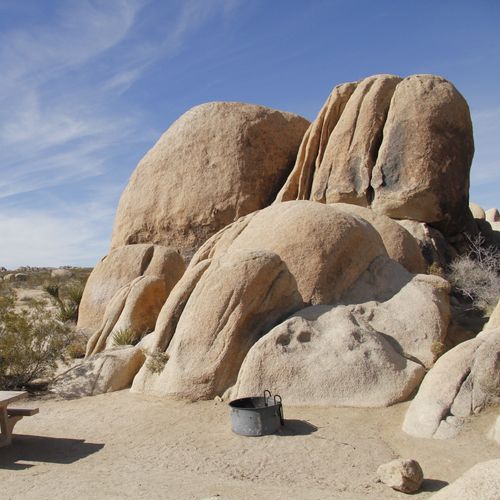
Four designated stargazing areas sit in the parking lots at Quail Springs, Hidden Valley, Cap Rock, and Ryan Mountain. By day, Hidden Valley makes a quick outing: its one-mile loop winds through a small valley ringed by piles of boulders and rocky walls, with a picnic area nearby. Ryan Mountain asks much more of hikers. The round trip covers three miles with roughly 1,050 feet of climbing and no shade, so skip it when the weather is hot.
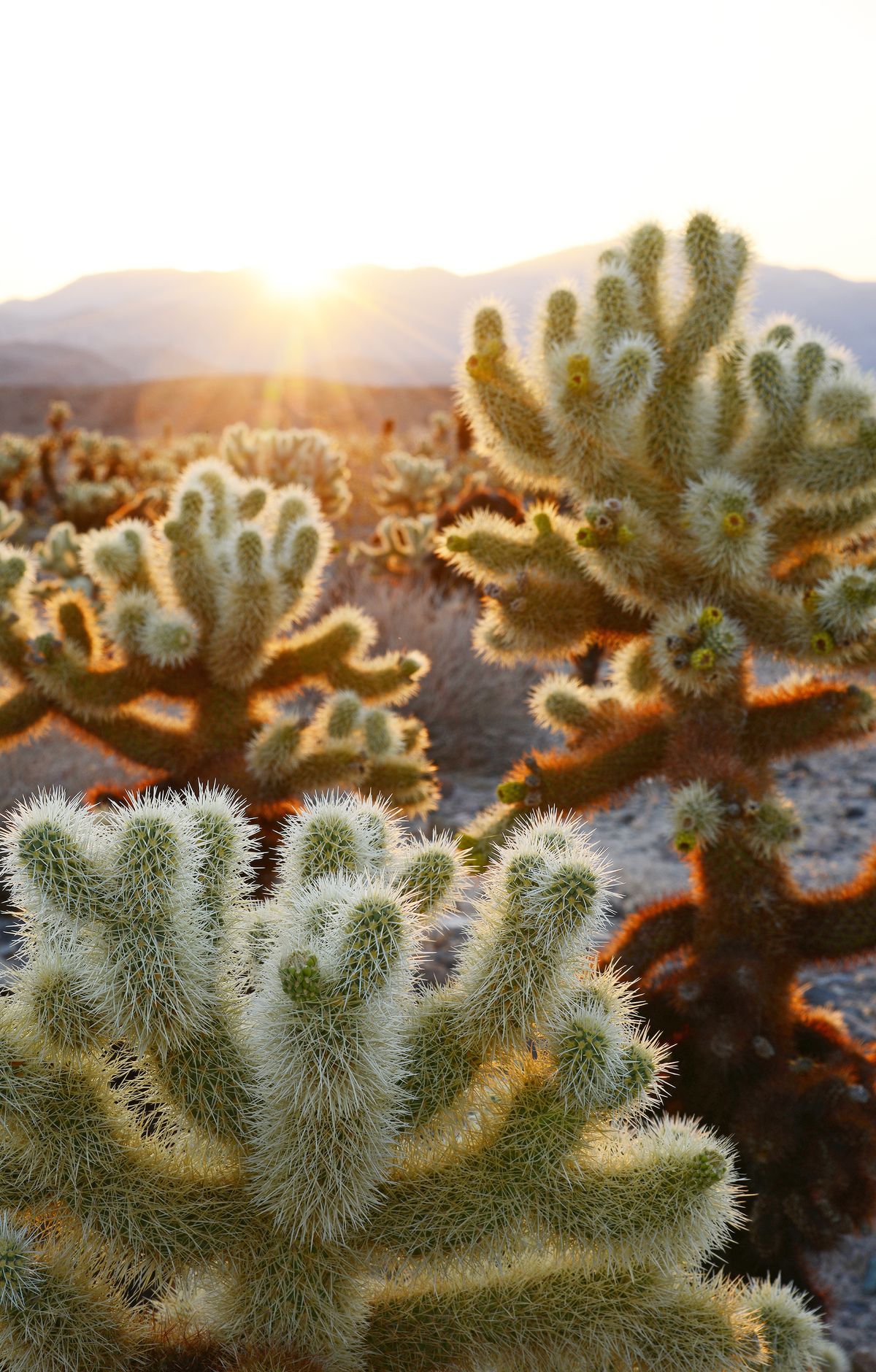
Pinto Basin Road runs from White Tank to the south entrance, and the sky above it is among the darkest in the park. Pull over at any turnout along it, but keep within 20 feet of your car. Cholla Cactus Garden is another good option, as it sits a considerable distance from the nearest towns.
Plan ahead. A red-tinted flashlight keeps your night vision intact, and your eyes need about 20 to 30 minutes to adapt to the dark. Keep an eye on the forecast, because cloud cover hides the stars and evenings here can turn much chillier than the afternoon. Moonlight matters too, since a bright full moon hides many stars, which makes a moonless night the best choice.