Lake Clark National Park & Preserve guide · 1 min read
Coast Versus Interior: Two Climates, One Park
Lake Clark splits its weather into two zones, the coast and the interior, and the two behave very differently.
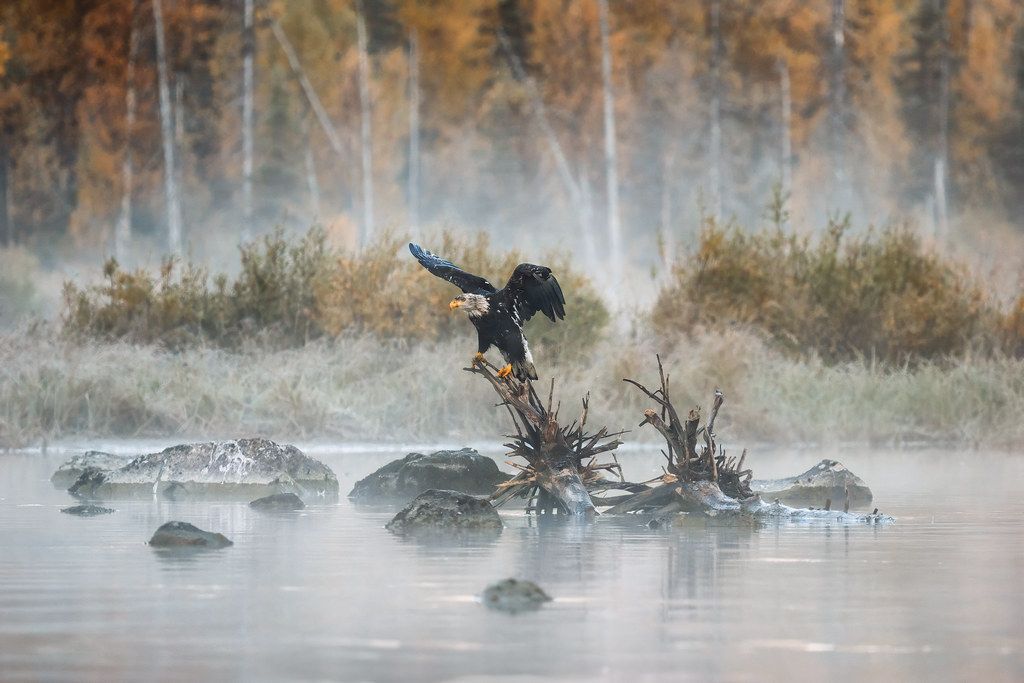
Along the coast, fog is common and the ground is often wet, with annual rainfall of 40 to 80 inches. Inland, the air is much drier, and yearly precipitation measures between 17 and 26 inches. Coastal temperatures tend to be milder than those farther inland.
Summers inland run hotter and winters run colder than on the coast. In the interior, temperatures can drop as low as minus 40 degrees Fahrenheit. At Dick Proenneke's Cabin on Twin Lakes, sitting at 1,988 feet of elevation, the average annual extreme minimum is minus 43 degrees Fahrenheit. Frost and snow can arrive at any time across the park, though they are most likely between September and early June.
Two large air masses meet over this landscape. Marine air from the Bering Sea and the Gulf of Alaska runs into continental air from the Alaska interior, and around Lake Clark and Iliamna Lake that clash leaves the weather hard to predict. The surrounding mountains funnel hard winds, and gusts of 30 to 50 miles per hour are common enough to plan around. A single visit might bring warm sunshine, a fierce storm, or a soaking rain, and conditions can shift quickly.
Lakes usually begin to freeze in November and thaw in April, and the ice decides whether a plane needs floats or skis to land. Most visitors come between June and October, when the weather is warmer and a broader range of lodging, transportation, and guiding services is available. In summer and fall, boats and floatplanes are the main ways to get around.
Pack waterproof footwear and sturdy rain gear. Dressing in layers lets you adjust as conditions change.