Lake Clark National Park & Preserve guide · 1 min read
Redoubt and Iliamna: Lake Clark's Steaming Volcanoes
Redoubt is the park's active volcano and the more recently active of the two peaks. It rises 10,197 feet through the Chigmit Mountains and has a summit crater 1.8 kilometers wide.
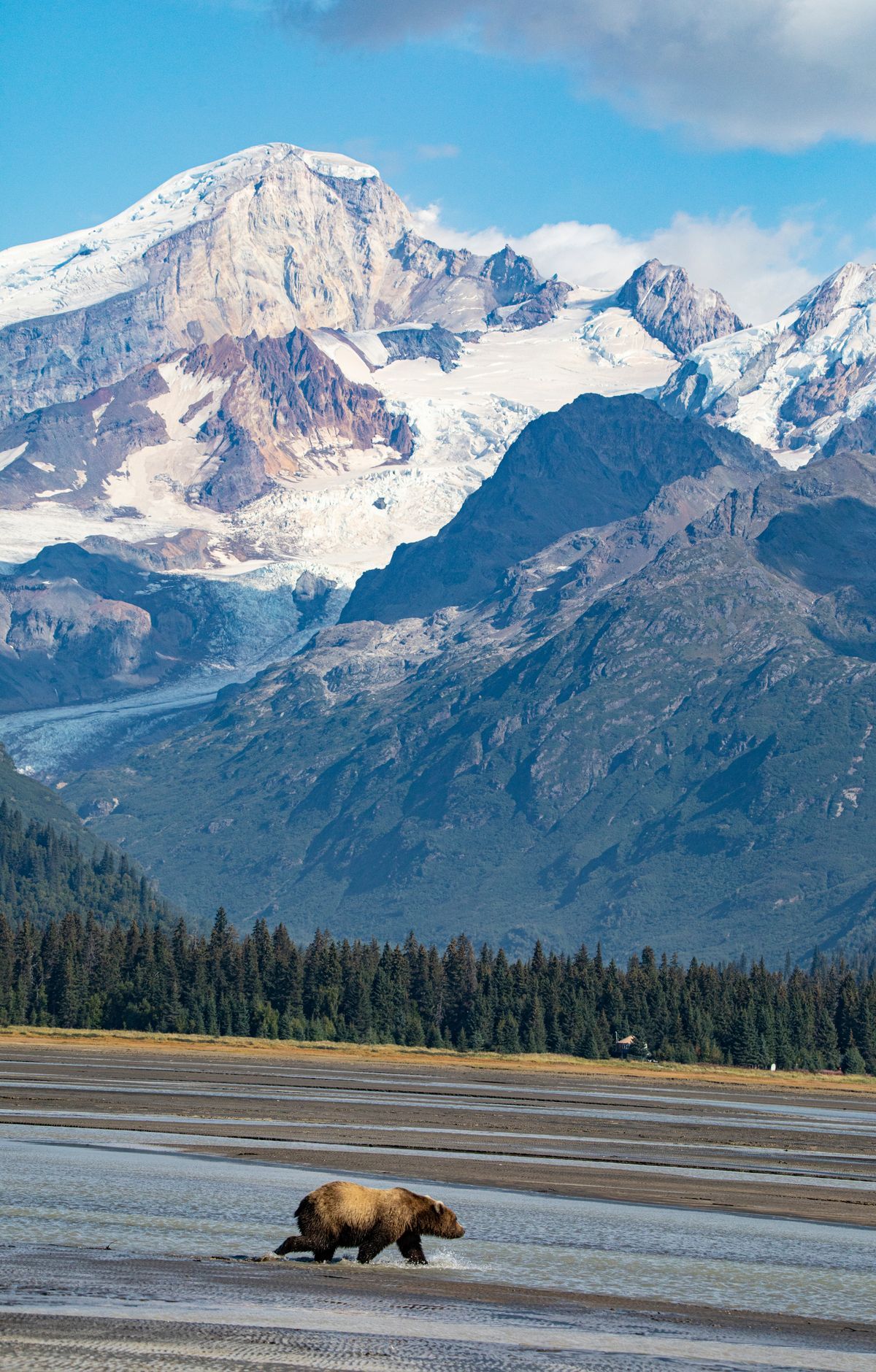
The Drift Glacier begins inside that crater and flows out through a gap in the rim.
Iliamna stands 10,016 feet high, a little lower than its neighbor. Both Redoubt and Iliamna are stratovolcanoes built on top of the Chigmit Mountains, which link the Alaska Range to the Aleutian Range. Iliamna has not been recently active, but glaciers still cover much of its slopes.
Redoubt's most recent active phase began in 1989 with ash eruptions that disrupted air traffic. A KLM 747 lost all four engines after flying through the ash at 25,000 feet, but it made it safely back to Anchorage. The event raised awareness of the dangers volcanic ash poses to high-altitude flights. In 2009 Redoubt erupted again, sending pyroclastic flows across ice and producing mudflows that threatened a facility on the Drift River.
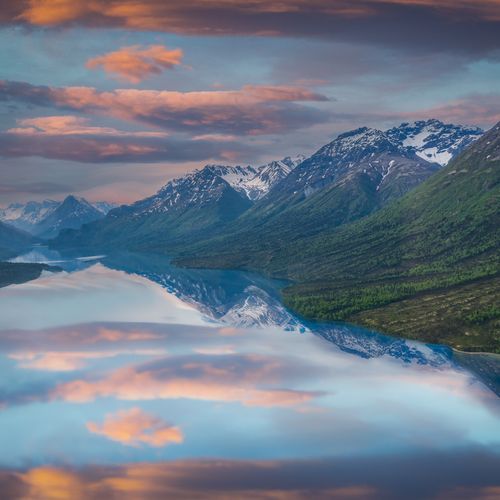
Glaciers have shaped the whole range. They carved cirques and U-shaped valleys into the Chigmit Mountains, and on the west side they cut deep enough to form lakes. The volcanoes steam, and the glaciers around them add to a landscape where fire and ice exist side by side.
Most visitors reach Lake Clark by plane, since no roads lead into the park. Flightseeing trips let people soar over Mount Redoubt and Mount Iliamna and see the summits and glaciers from above. Float planes, bush planes and boats then carry visitors to other parts of the park.