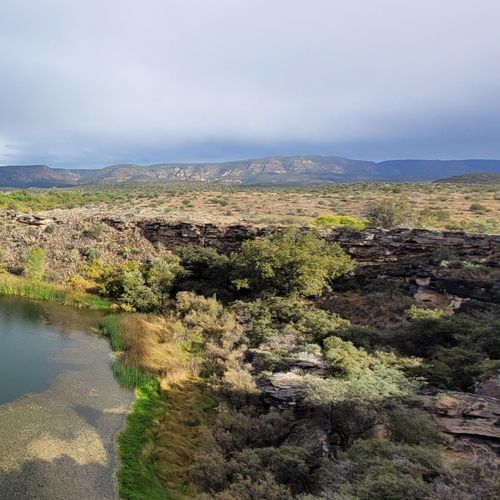
Montezuma Castle National Monument guide · 1 min read
Ladders, Looters, and the 1951 Closure
For the first half of the twentieth century, visitors to Montezuma Castle did more than look.
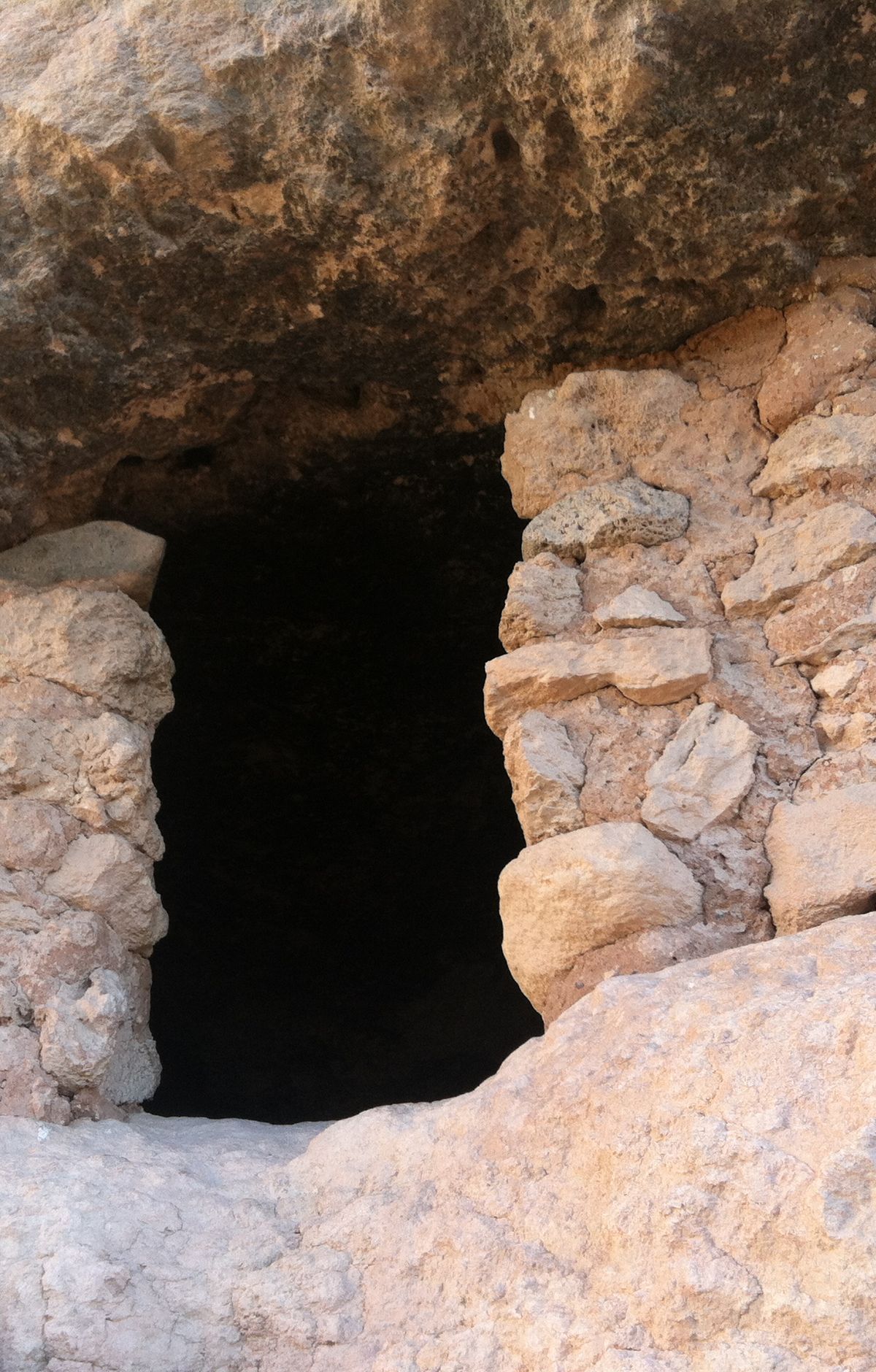
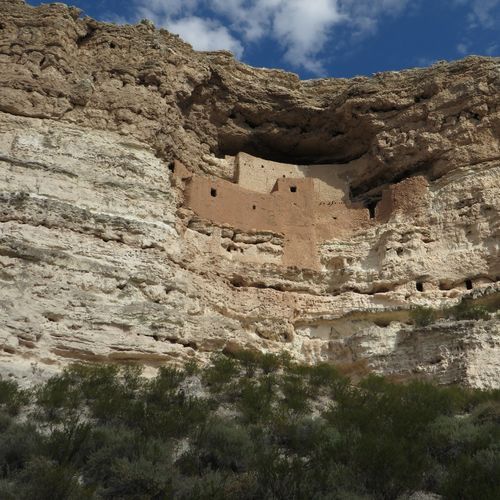
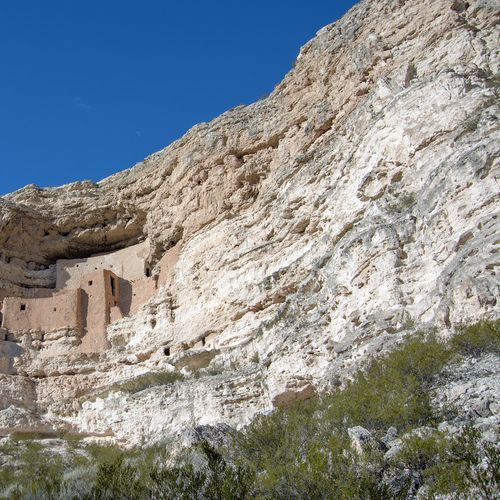
They climbed a series of wooden ladders propped against the limestone cliff, moving from ledge to ledge until they reached the doorways of the five-story dwelling. In the 1940s, park rangers often guided people up and inside. Park Ranger Earl Jackson was one of them, explaining the site as visitors explored its rooms.
That open access came at a cost. Many early tourists carried off artifacts as souvenirs or carved their names into the masonry walls and roof beams. Some pot hunters used dynamite to blast through walls in search of valuable objects. Scholars and concerned citizens warned that the structure could not survive this treatment. On December 8, 1906, President Theodore Roosevelt made Montezuma Castle one of the first four national monuments under the new Antiquities Act. By then, looting had left very few original artifacts inside.
Repairs followed. A major restoration in 1933, led by the monument's custodian, Ranger Martin Jackson, fixed damage from looters, tourists and erosion, including the hole left by dynamite. Crews also added modern ladders, walkways and safety railings. Later stabilization work has focused on keeping original material in place, such as adobe plaster that still holds ancient fingerprints, and on removing the plank walkways and metal handrails that are no longer needed.
In 1951, the Castle was judged too unstable for visitors, and the ladders closed to the public. Today only archeologists and others on official business go inside, entering through a doorway on the second level. Everyone else views the Castle from the trail below the cliff, where the outer walls and the wooden floor beams jutting from them are in plain sight, part of a structure almost 900 years old.