Mount Rainier National Park guide · 2 min read
John Muir and the Fifth National Park
John Muir visited Mount Rainier in 1888, and the trip helped renew his commitment to preserving wild country.
He climbed to the summit with nine others, including Edward Sturgis Ingraham, Charles Piper, and P. B. Van Trump, in what became the fifth recorded ascent of the peak. Afterward he urged that the Mount Rainier Forest Preserve become a national park, arguing that the region was worth protecting as a place of rest and inspiration.
The land had already been set aside in stages. The Pacific Forest Reserve, created in 1893, included the mountain, and it was enlarged in 1897 and renamed the Mount Rainier Forest Reserve. On March 2, 1899, President William McKinley approved legislation from Congress that created Mount Rainier National Park, making it the country's fifth national park. The land had once been part of a national forest, which made it the first national park to be formed from one.
Local people pushed hard for the park. Newspaper editors, mountaineering clubs, business associations, and professors at the University of Washington drove the effort, and researchers from around the country, most of them geologists, added their backing.
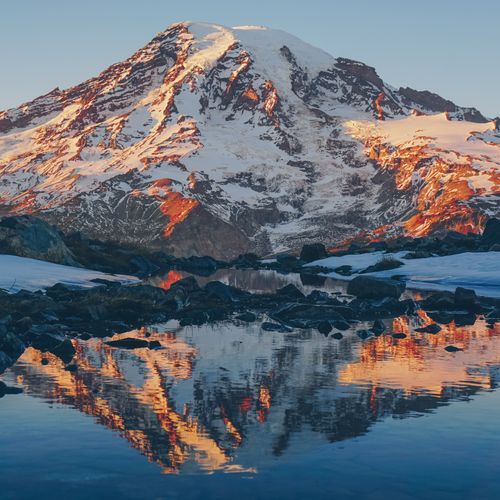
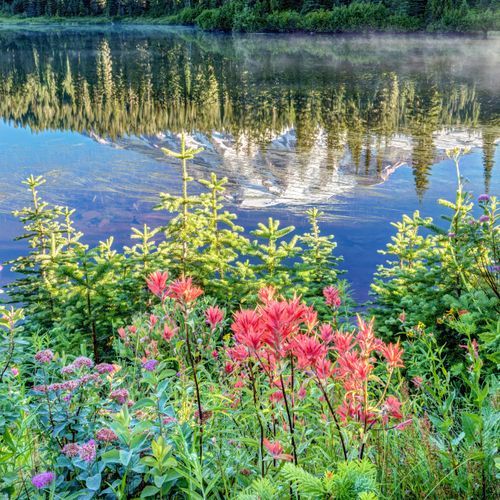
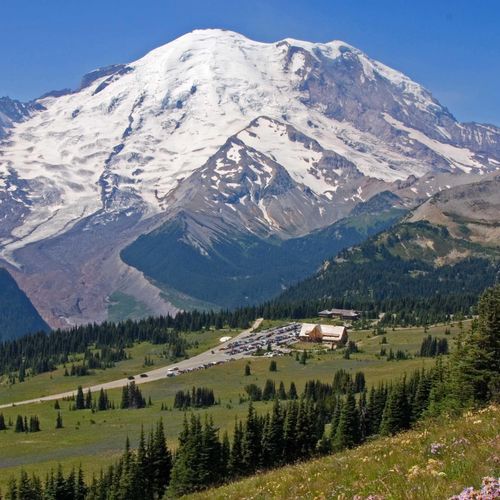
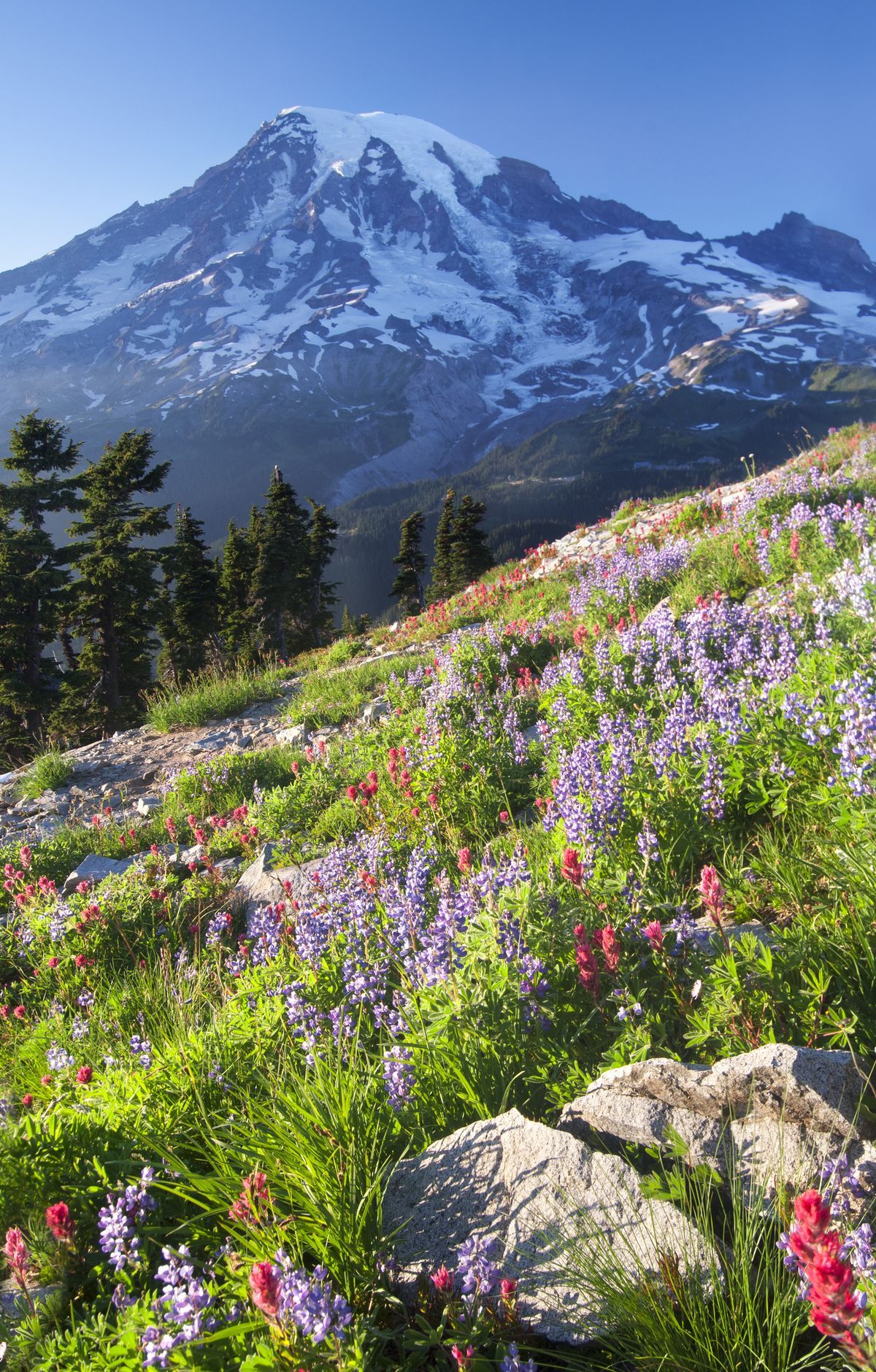
The mountain at the heart of the park is an active stratovolcano that reaches 14,410 feet, making it the highest peak in Washington. No other peak in the lower 48 states carries as much ice, and five large rivers start in that ice. Meadows of subalpine wildflowers circle its flanks. Between 2008 and 2019, more than 10,000 people a year tried to reach the summit, and three companies hold authorization to lead commercial guided climbs there year round.
The whole park received National Historic Landmark District status in 1997, honoring the careful design and upkeep of its rustic buildings from the 1920s and 1930s. Paradise Inn stands as a clear example of that style, and 42 sites in the park are listed on the National Register of Historic Places.