National Park of American Samoa guide · 1 min read
America's Only Paleotropical Rainforest
Rainforest covers nearly all of the land on the park's volcanic islands, reaching from the mountaintops down to the shore.
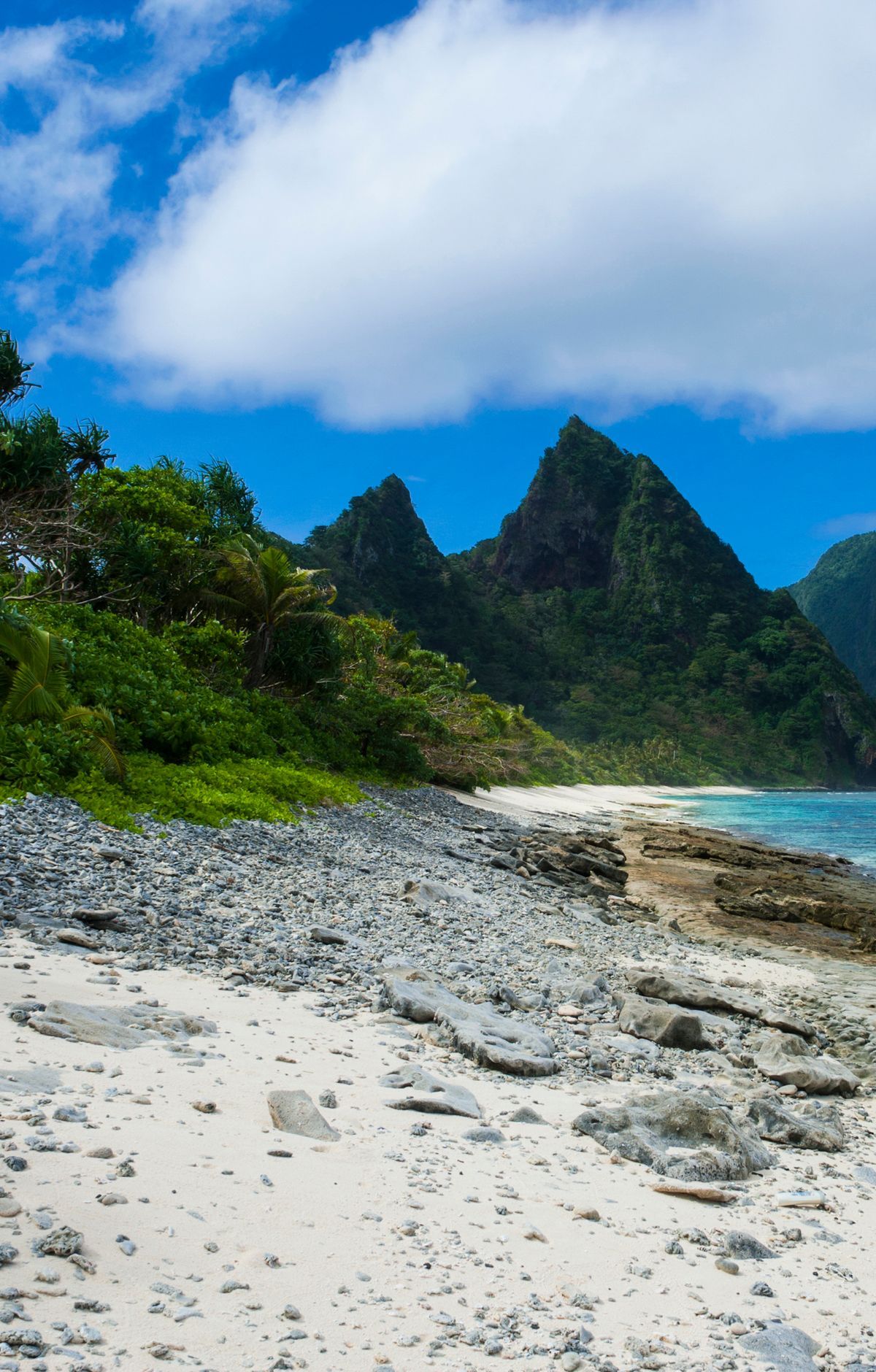
The islands are old volcanoes, worn into rugged peaks after the Pacific Plate drifted over a fixed hot spot beneath it. Where North American temperate woods are often built around just a few kinds of trees, this evergreen forest supports a far larger range of species.
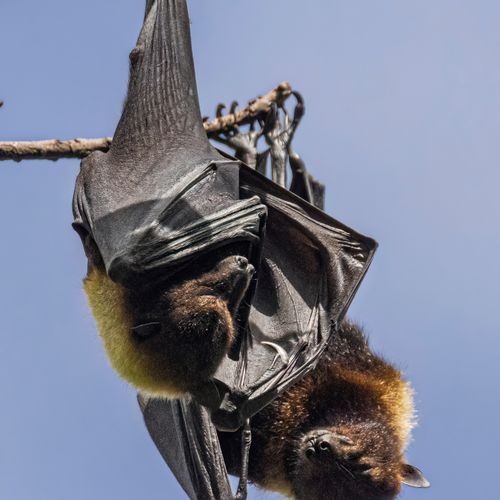
Flying foxes, also called fruit bats, are key pollinators on land. As they feed on nectar and fruit, they carry pollen from one plant to another, which helps explain why so much of the forest is made up of fruit-bearing trees and plants. In Hawaii's native woods, insects and nectar-feeding birds handle most of the pollination instead.
Visitors can hike through the forest in search of tall trees, colorful birds, and other wildlife. Guided hikes offer a hands-on way to learn about the land. Lata Mountain on Ta'u is especially known for its remote forests, streams that run free, and rugged coastline. Samoan culture is part of the visit too, with secluded villages and Visitor Center exhibits that explain how local traditions are tied to the environment. On Ofu, the To'aga archaeological site records 3,000 years of human habitation.
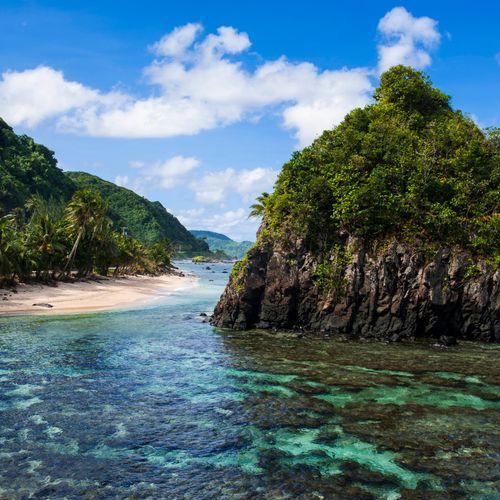
Fringing reefs surround Ofu, Olosega, and Ta'u, and roughly 4,000 acres of the park lies underwater. The reef waters hold some of the richest marine life in the US territories, so snorkelers and divers have plenty to explore. Visitors who prefer to stay near the shore can also find coral sand beaches.
The park's tropical climate brings a long, wet season with frequent showers and the possibility of tropical storms. The drier, cooler months are milder by comparison. Rain totals reach 300 inches on the highest mountains, compared with 125 inches in drier areas.