Rocky Mountain National Park guide · 2 min read
Five Ecosystems from Ponderosa Forest to Tundra
Climb a thousand feet in Rocky Mountain National Park and the average temperature in dry air falls about 5.4 degrees Fahrenheit.
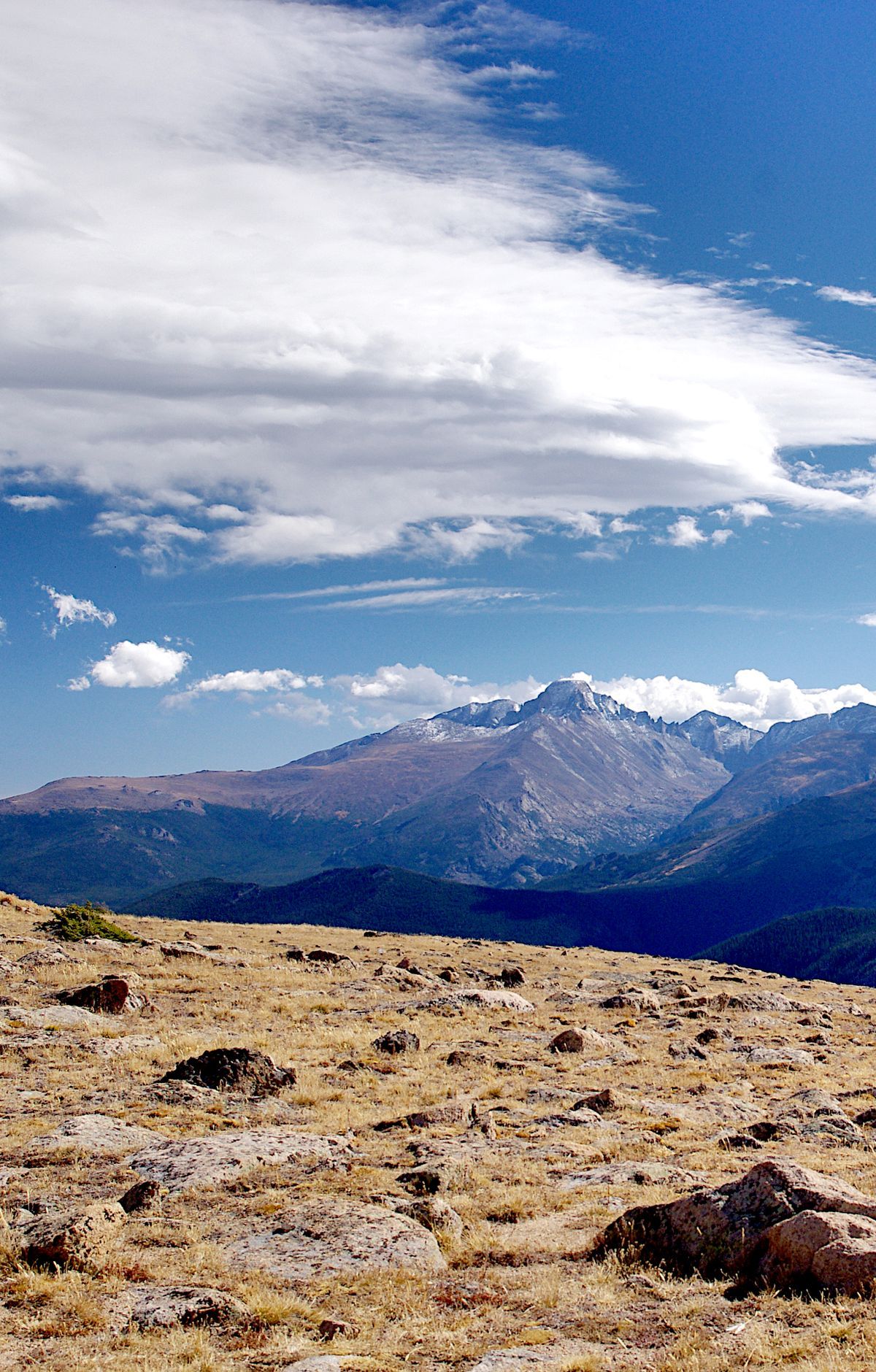
That steady chill, along with the Continental Divide running north to south through the park and valleys shaped by ancient glaciers, sorts the land into distinct bands of life.
The montane ecosystem covers the lowest ground, from about 5,600 to 9,500 feet, and holds the widest variety of plants and animals. Moraine Park, Horseshoe Park and the Kawuneeche Valley all sit in this zone, with rivers winding through broad meadows that fill with wildflowers in summer. Ponderosa pine and grasses favor the dry, south-facing slopes, while moister north-facing slopes grow thicker stands of Douglas fir and lodgepole pine. Aspens, willows and water birch gather where soils stay wet.
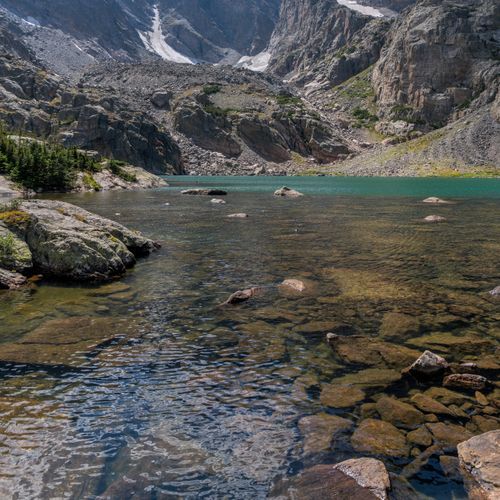
Between roughly 9,000 and 11,000 feet, Engelmann spruce and fir take over in the subalpine forest. Lakes such as Odessa Lake and pockets of wildflowers hide among the trees, and elk, mule deer, yellow-bellied marmots and black bears drawn to berries and seeds live here. Near tree line, wind keeps trees low and sideways in a dense, stunted growth called krummholz, which can live several hundred to a thousand years.
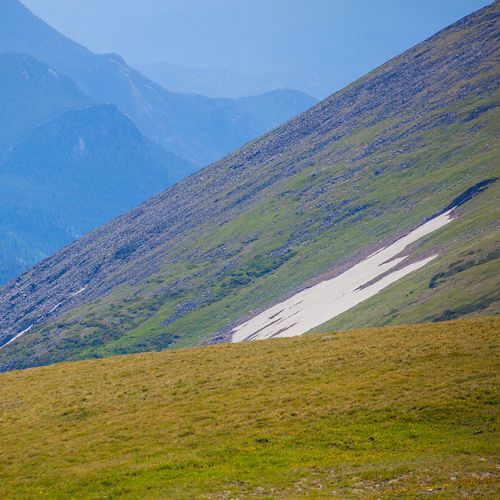
At about 11,000 feet the trees give out and alpine tundra begins, covering more than a third of the park. Cold and constant wind keep plants small. Cushion plants hug the ground on deep taproots, hairy stems and red pigments help others hold warmth, and lichens cling to bare rock.
These plants endure harsh weather but not repeated footsteps, and many need a century to grow a single inch. The Tundra Communities Trail offers a close look, so stay on the path where one exists. Off trail, spread out instead of walking single file and step on rocks rather than plants.