Rocky Mountain National Park guide · 2 min read
Moraine Park Elk, Bighorn Sheep and Kawuneeche Moose
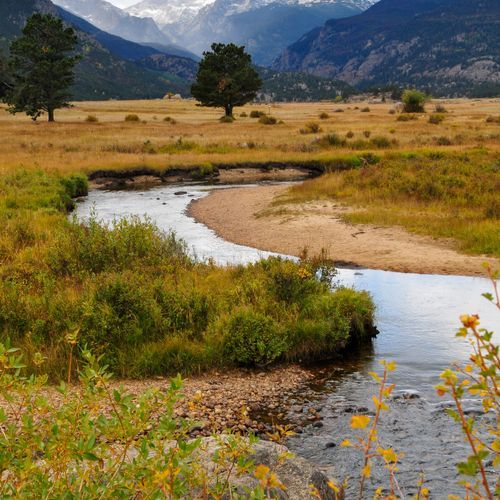
Moraine Park is one of the most reliable places in Rocky Mountain National Park to find elk, with herds grazing across the open valley floor.
Elk live here year-round, but they spend much of the summer at or above treeline before drifting down to lower meadows in fall, winter and spring. Summer numbers climb to somewhere between 2,000 and 3,000 animals, while a smaller group of roughly 800 to 1,000 stays inside the park through winter. Watch for them in meadows and along the edges where grass meets forest, especially around dawn and dusk, their favorite feeding times.
In September and October, herds gather in low meadows like Moraine Park and Horseshoe Park for the fall mating season, known as the rut. Bull elk turn aggressive as they guard the cows and young in their herd. To protect the elk from disturbance, sections of these meadows close to all foot travel for part of each day during the rut, and visitors must keep to designated roads and established trails. Stay at least 75 feet back, about two bus lengths, and remember that approaching wildlife is illegal here, even for a photo.
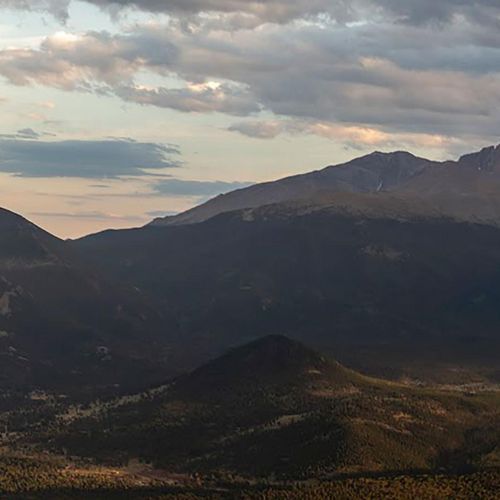
Moraine Park Campground puts you close to the action. With 244 sites, it is the largest campground in the park, and it looks out toward Longs Peak and the Continental Divide with chances to spot wildlife in the meadow below.
For moose, head to the park's west side, where they are now seen frequently. Moose were absent from the area for many years and were restored in 1978. Like Moraine Park and Horseshoe Park, the Kawuneeche Valley belongs to the park's montane zone, where broad meadow valleys and winding rivers hold the greatest variety of plants and animals.
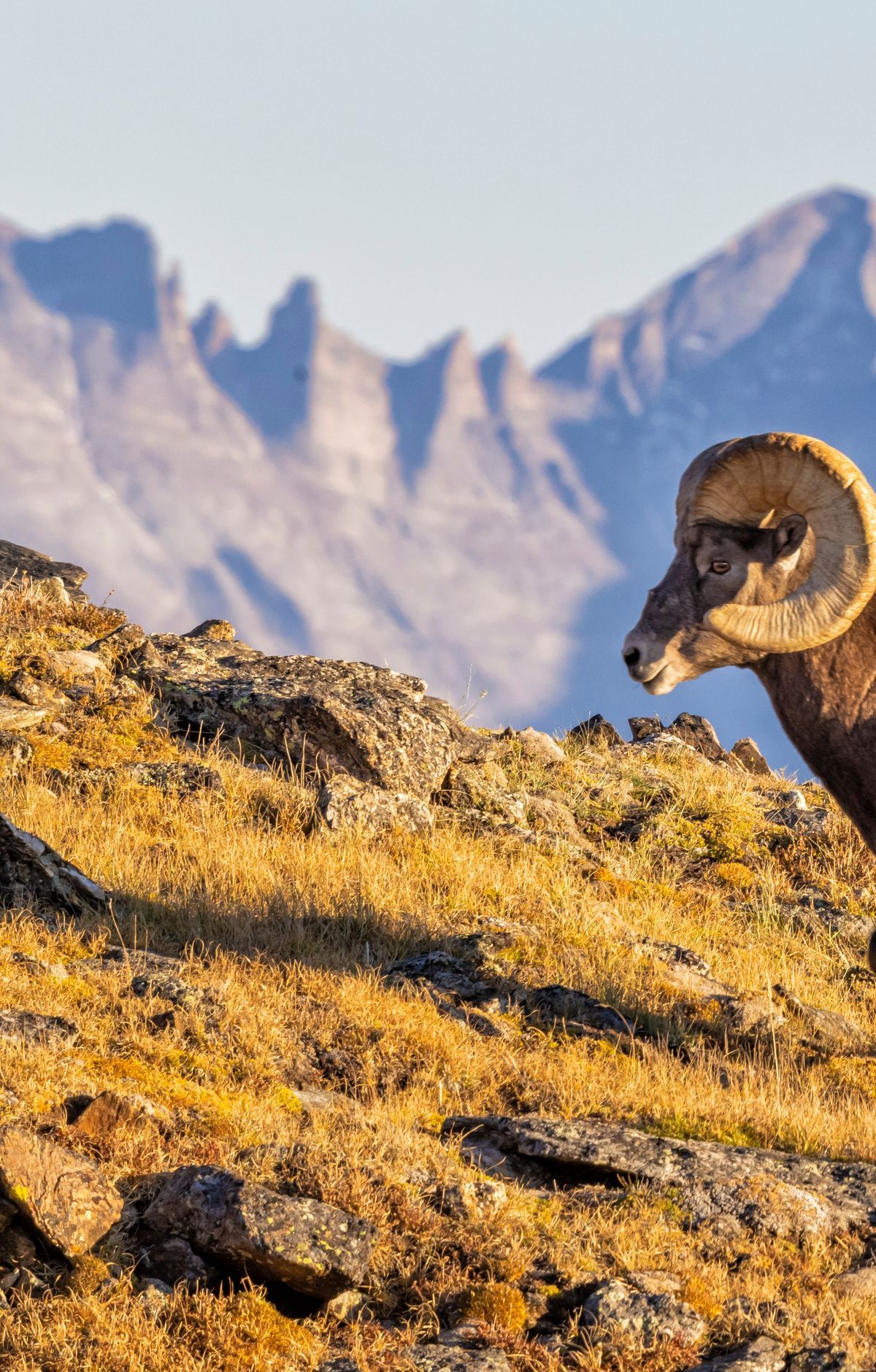
Bighorn sheep have also rebounded, with a population estimated at about 350. Sheep Lakes is the place to look, where they commonly appear from spring into summer.