Voyageurs National Park guide · 1 min read
Wolves, Moose and Tracks Across the Ice
Timber wolves live in Voyageurs National Park, and moose make their home here as well. Black bear and white-tailed deer also live in the park's forests, so wildlife is a big part of any visit.
Winter changes what you can see. When the lakes freeze, smaller animals such as snowshoe hares, river otters and weasels may be seen crossing the frozen lake surfaces. Watch for them as you walk or ski across the ice.
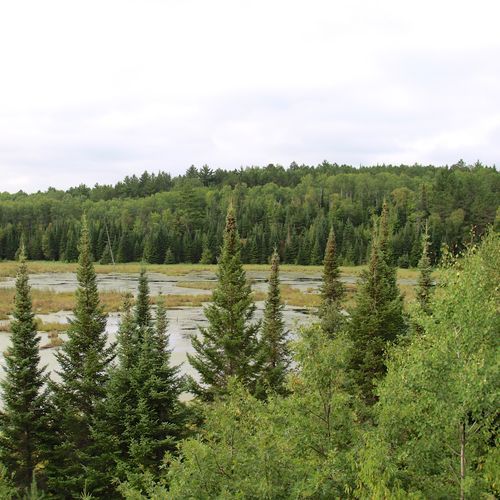
The park has spruce and fir forest as well as pine forest, and Canada jays breed within its boreal forest habitat. Their range is part of the wider mix of forest types that makes the park's wildlife so varied.
Snowshoeing and cross-country skiing let you explore the park on foot across expansive frozen lakes and through snow-covered forests. The Oberholtzer Trail, a 1.7 mile round trip near the Rainy Lake Visitor Center, is a good winter snowshoe option. It honors Ernest Oberholtzer, a conservationist who lived nearby and helped push for the area to be set aside.
Winter visitors can also drive on the Rainy Lake Ice Road, which is plowed and marked from the visitor center boat ramp. Depending on ice conditions, the route heads toward Cranberry Bay or around Dryweed Island. Check the latest winter ice and trail conditions before you head out.