White Sands National Park guide · 2 min read
Alkali Flat and the Park's Five Trails
The Alkali Flat Trail is the toughest of the park's five established trails. It is a strenuous five-mile round trip that takes about three hours on average.
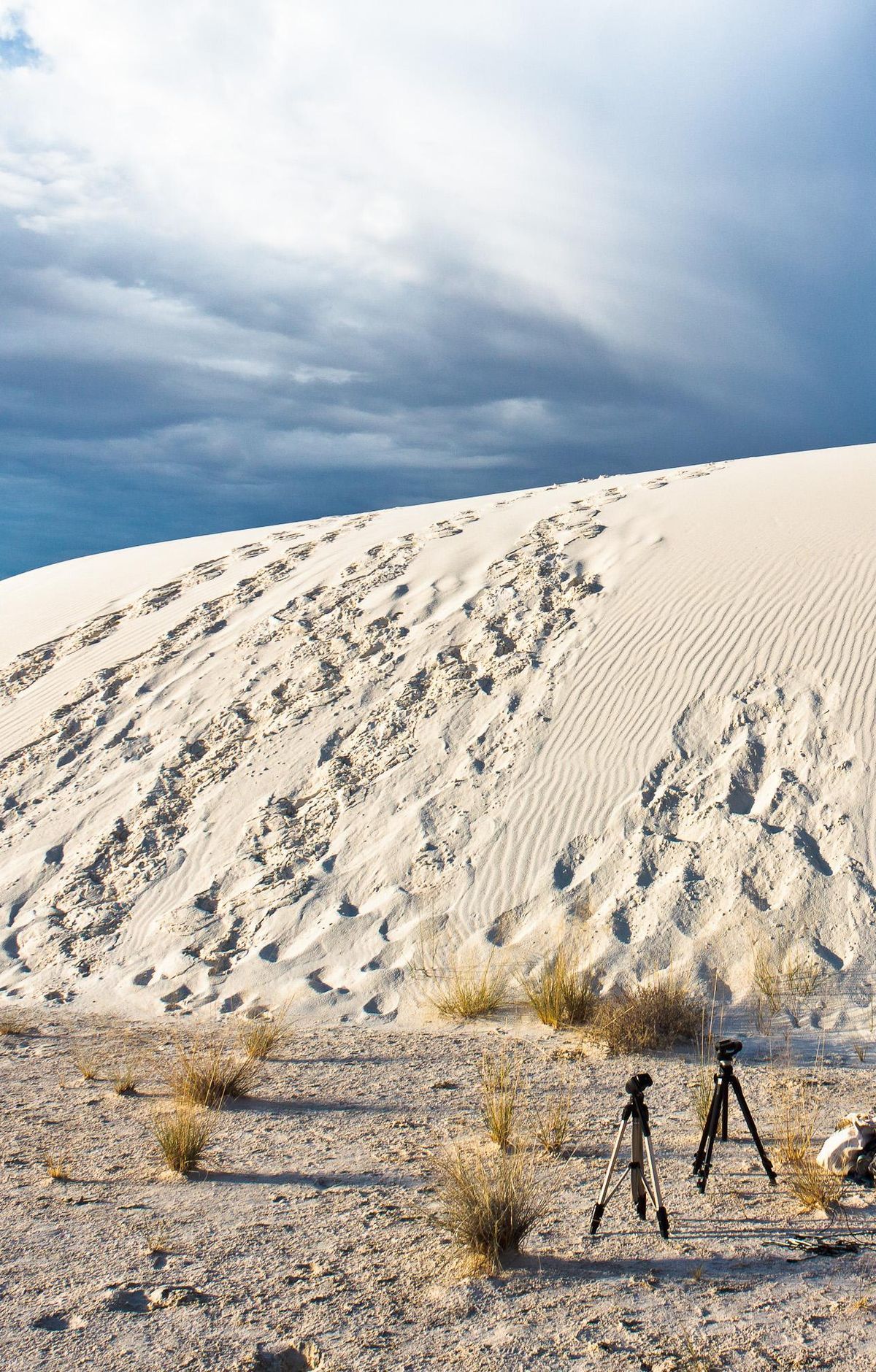
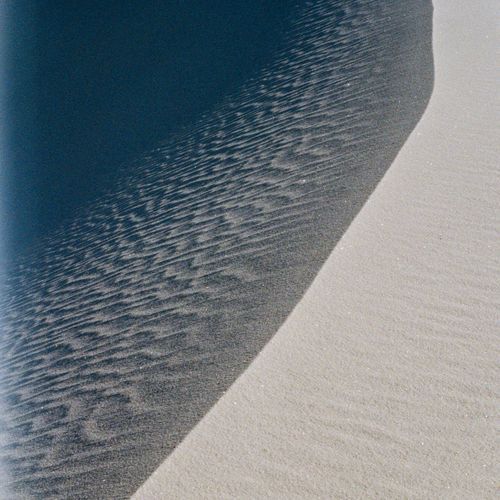
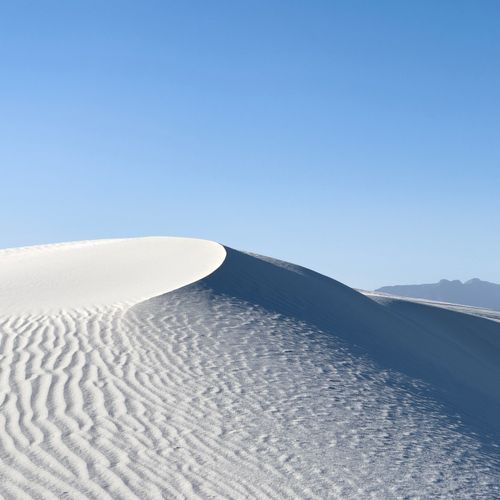
Despite its name, the route is not flat, since it climbs steep dunes, some about 60 feet tall. Follow the red trail markers with diamond symbols, and if you cannot see the next one, turn around and head back to the trailhead.
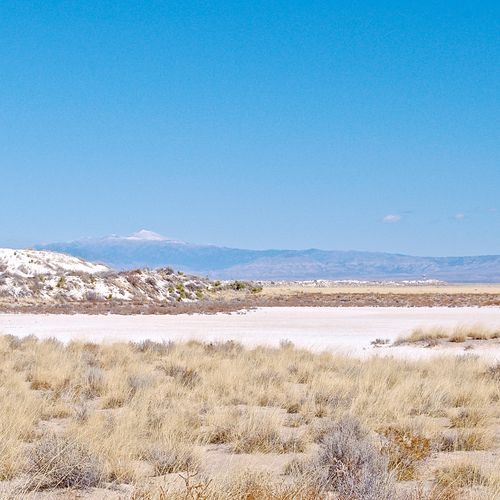
The trail leads to Alkali Flat, the dry lakebed of Lake Otero. That lake covered 1,600 square miles of the Tularosa Basin during the last ice age. The dunes around the salty expanse are made of gypsum, and hikers walk through the heart of the dunefield to reach it.
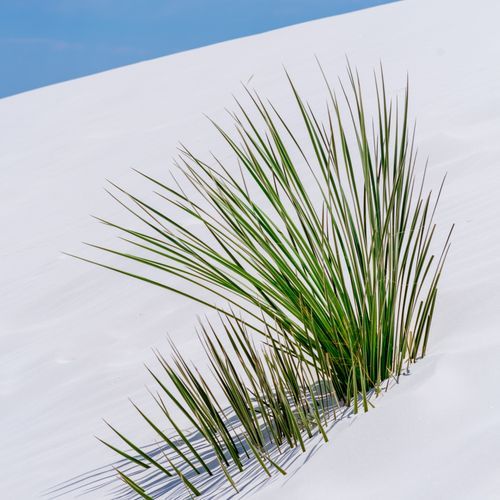
Come prepared for heat and sand. There is very little shade, so bring plenty of water for everyone in your group, pets included, and use sun protection. Only foot travel is allowed on the trail, and rangers at the visitor center can recommend a trail that suits your fitness level.
The Backcountry Camping Trail is a shorter option, a 1.75-mile loop rated easy to moderate. Its views are much like those from the Alkali Flat Trail, reached with less effort. It takes its name from the backcountry campsites it leads to, but you do not need to camp to hike it. The park's other established trails are the Interdune Boardwalk, the Dune Life Nature Trail and the Playa Trail.
Dunes Drive, an eight-mile road, ends at the Alkali Flat trailhead parking area, where the lot is plowed into tall gypsum dunes that make excellent sledding spots. For more privacy, hike a few dunes in for fresh sand. Steeper dunes here are not recommended for young children, and the area has one vault toilet but no shade. Bring about a gallon of water per person.