White Sands National Park guide · 1 min read
The World's Largest Gypsum Dunefield
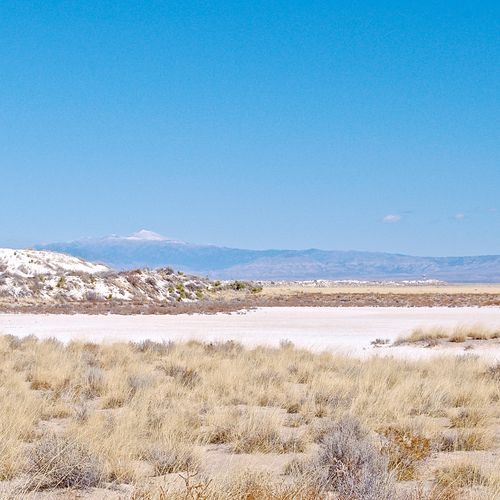
The dunes here cover 275 square miles of the Tularosa Basin in southern New Mexico, making this the largest gypsum dunefield in the world.
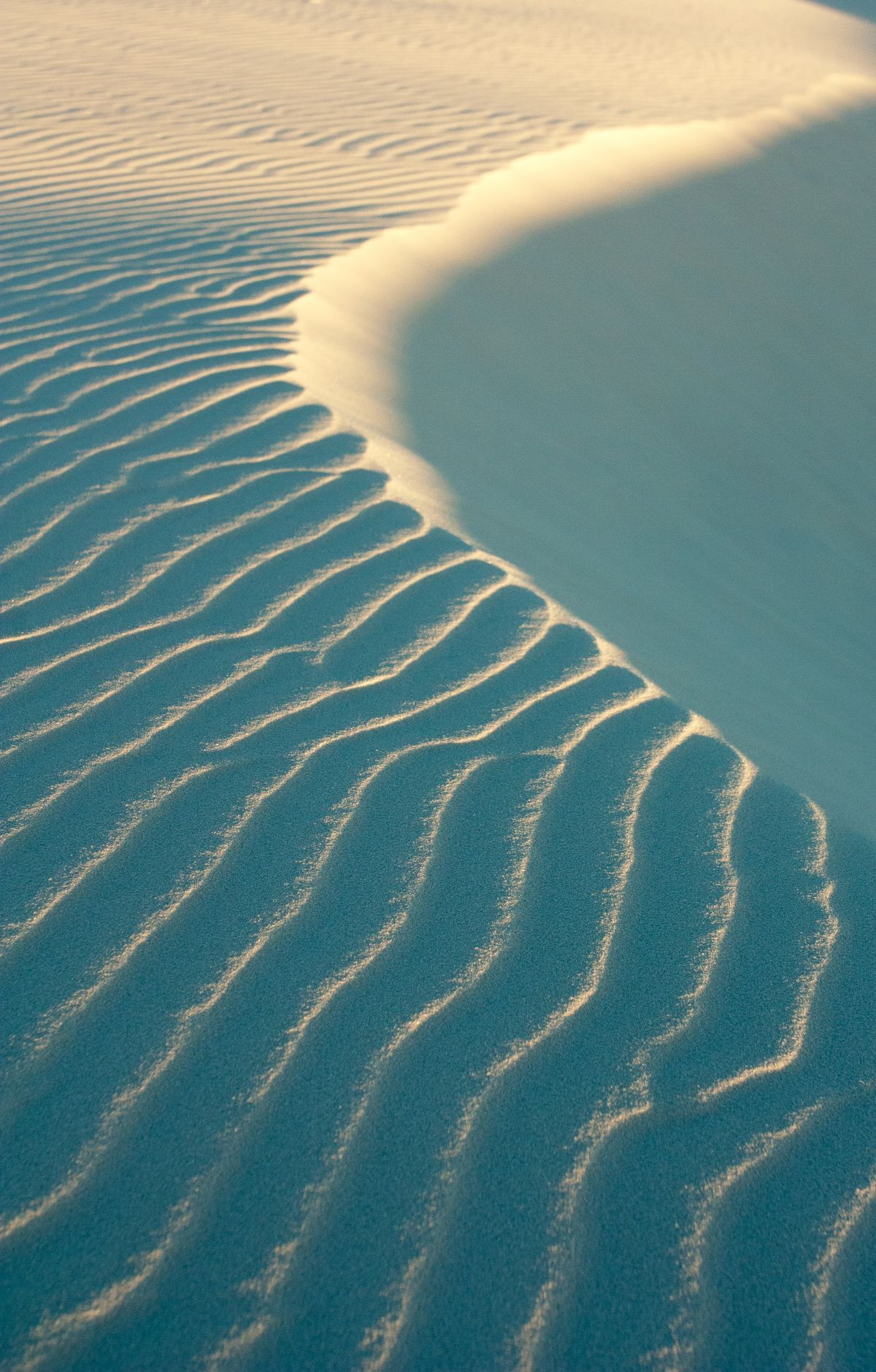
White Sands National Park protects about 115 square miles of that field. The rest lies to the north, inside White Sands Missile Range.
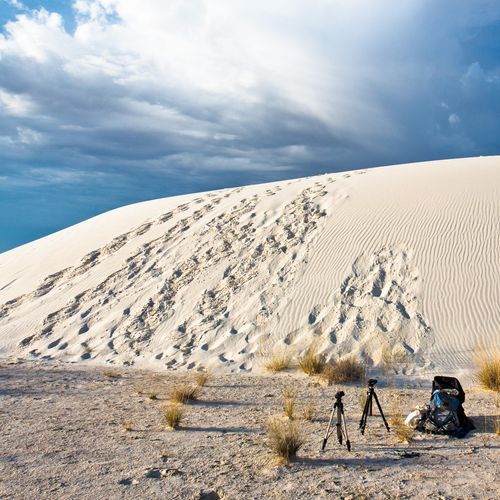
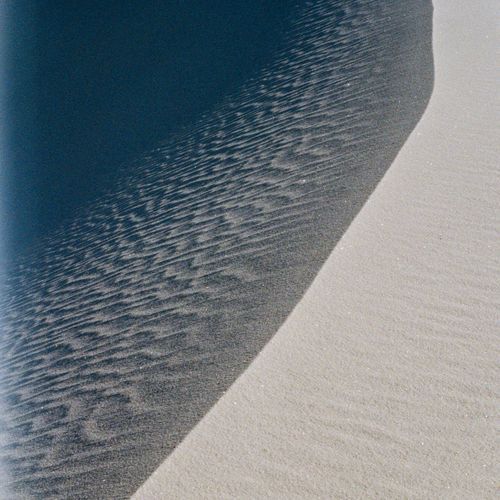
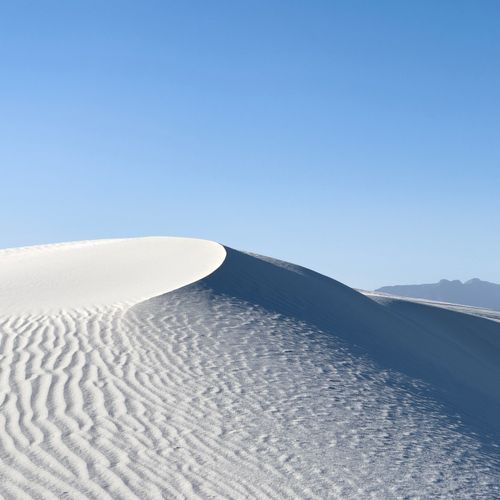
Shaped by prevailing winds, the gypsum has built up into wave-like dunes and long ridges. Fine ripples mark the surface of each dune, left by the wind. The gypsum sand is about 30 feet deep across the entire field, and as the sun moves across the sky, shadows slide over the slopes.
The gypsum began in shallow seas that covered the region during the Permian Period. Rain later wore the mineral away from nearby mountains, and rivers carried it into the Tularosa Basin, which has no outlet to the sea. Water that soaked into the ground or evaporated from shallow pools left the gypsum behind on the surface, where it formed selenite crystals.
Dunes Drive leads 8 miles into the dunefield from the visitor center, and five marked trails covering 9 miles together let you explore on foot. Many visitors spend time sledding down the dunes, and the Alkali Flat trailhead is one place to do it.
Visitors can catch the sunset on any day of the year, and ranger-led sunset strolls head out every evening. Many people time their visit for the evening, when the light shifts across the white dunes.