Yosemite National Park guide · 1 min read
Ahwahneechee, Miwok and the Gold Rush
People have lived in what is now Yosemite for nearly 4,000 years, and visitors may have passed through as long as 8,000 years ago.
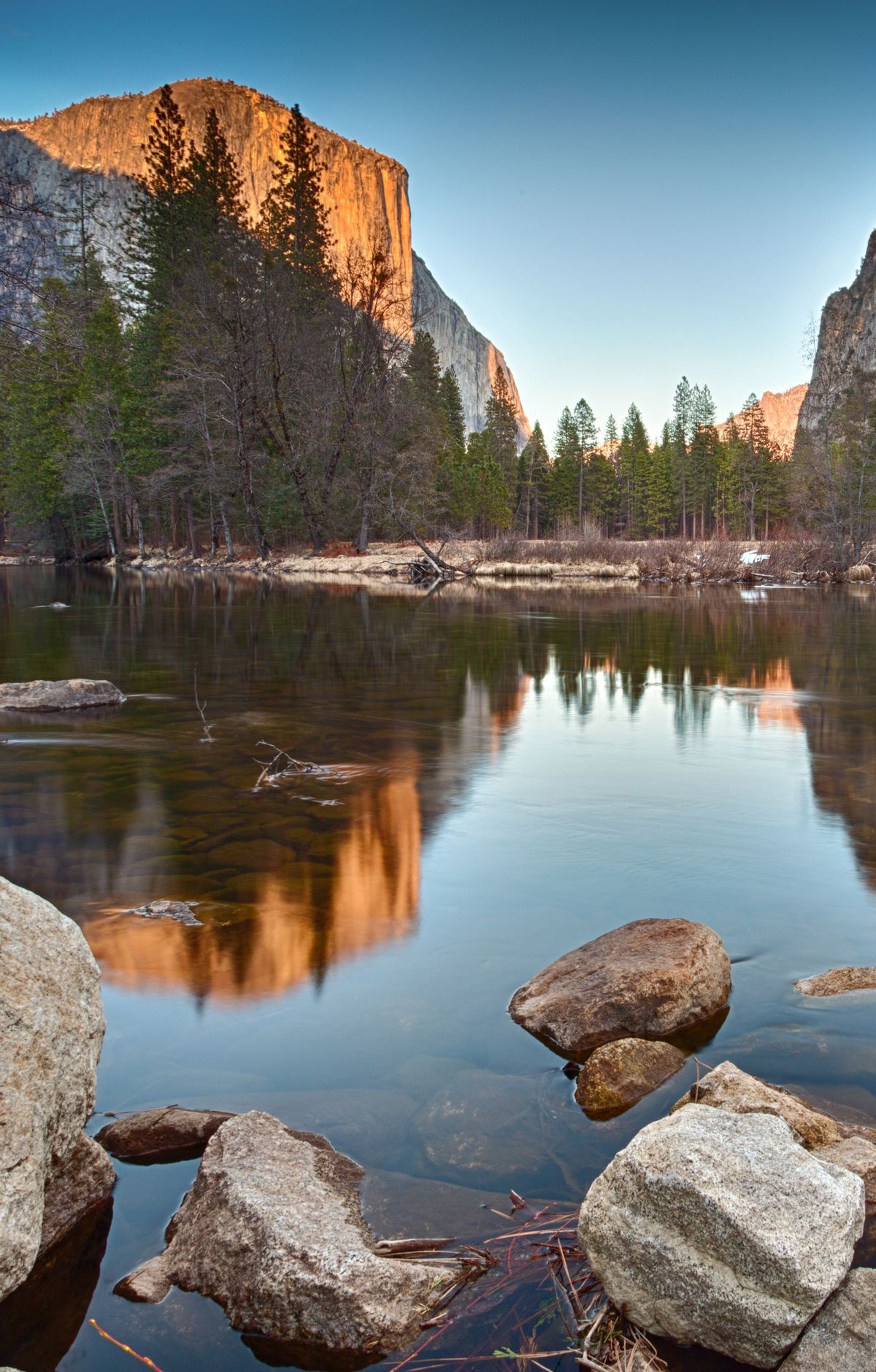
The Ahwahneechee and the Miwok made their homes here, including in Yosemite Valley. Their way of life was upended after 1849, when the California Gold Rush sent thousands of miners into the region. Southern Sierra Miwok families kept living in the valley well into the twentieth century, until the park evicted them in the 1960s.
Worried that commercial interests would spoil the valley, advocates such as Galen Clark and Senator John Conness pushed for its protection. On June 30, 1864, President Abraham Lincoln signed the Yosemite Grant, handing Yosemite Valley and the Mariposa Grove of giant sequoias to California as a public trust. It was the first time the federal government had reserved land expressly for preservation and public use. That decision set a precedent for Yellowstone, which became the nation's first national park in 1872.
John Muir saw sheep overgraze the meadows and loggers cut giant sequoias, and he set out to win stronger federal protection. He persuaded Robert Underwood Johnson, editor of Century Magazine, to join him in lobbying Congress, and Yosemite National Park was created on October 1, 1890. California still controlled the valley and Mariposa Grove at first. Muir later stood with Theodore Roosevelt at Glacier Point, which looks out over the eastern end of the valley.
The Yosemite Museum, founded in 1926 through the work of Ansel Franklin Hall, reflects this layered past. In the 1920s it featured Native Americans demonstrating traditional crafts, even as early park managers restricted Ahwahneechee cultural expression. Today Yosemite is also a UNESCO World Heritage Site, honored for its natural features.