Yosemite National Park guide · 2 min read
Sierra Nevada Batholith: How Yosemite's Granite Formed
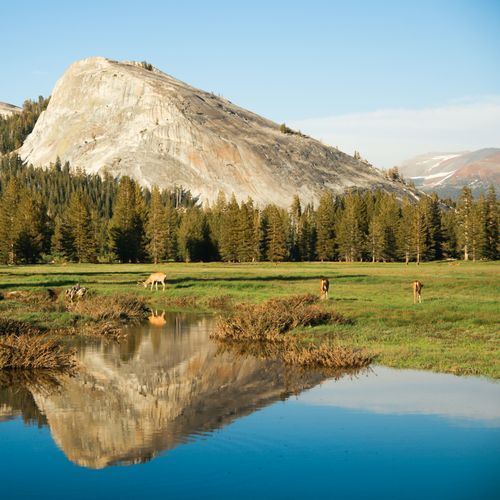
Nearly every landform in Yosemite is cut from the granitic rock of the Sierra Nevada Batholith, a huge mass of igneous rock that hardened deep below the surface.
Only about five percent of the park, mostly along its eastern edge near Mount Dana, is metamorphosed volcanic and sedimentary rock. These remnants, called roof pendants, once sat like a lid over the granitic magma.
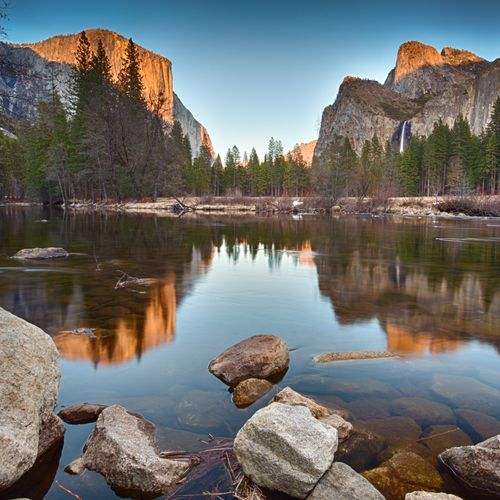
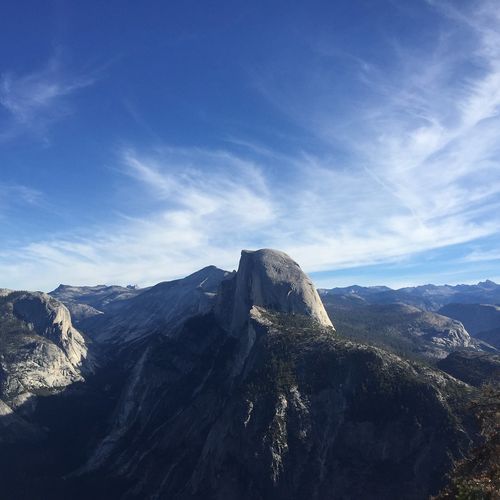
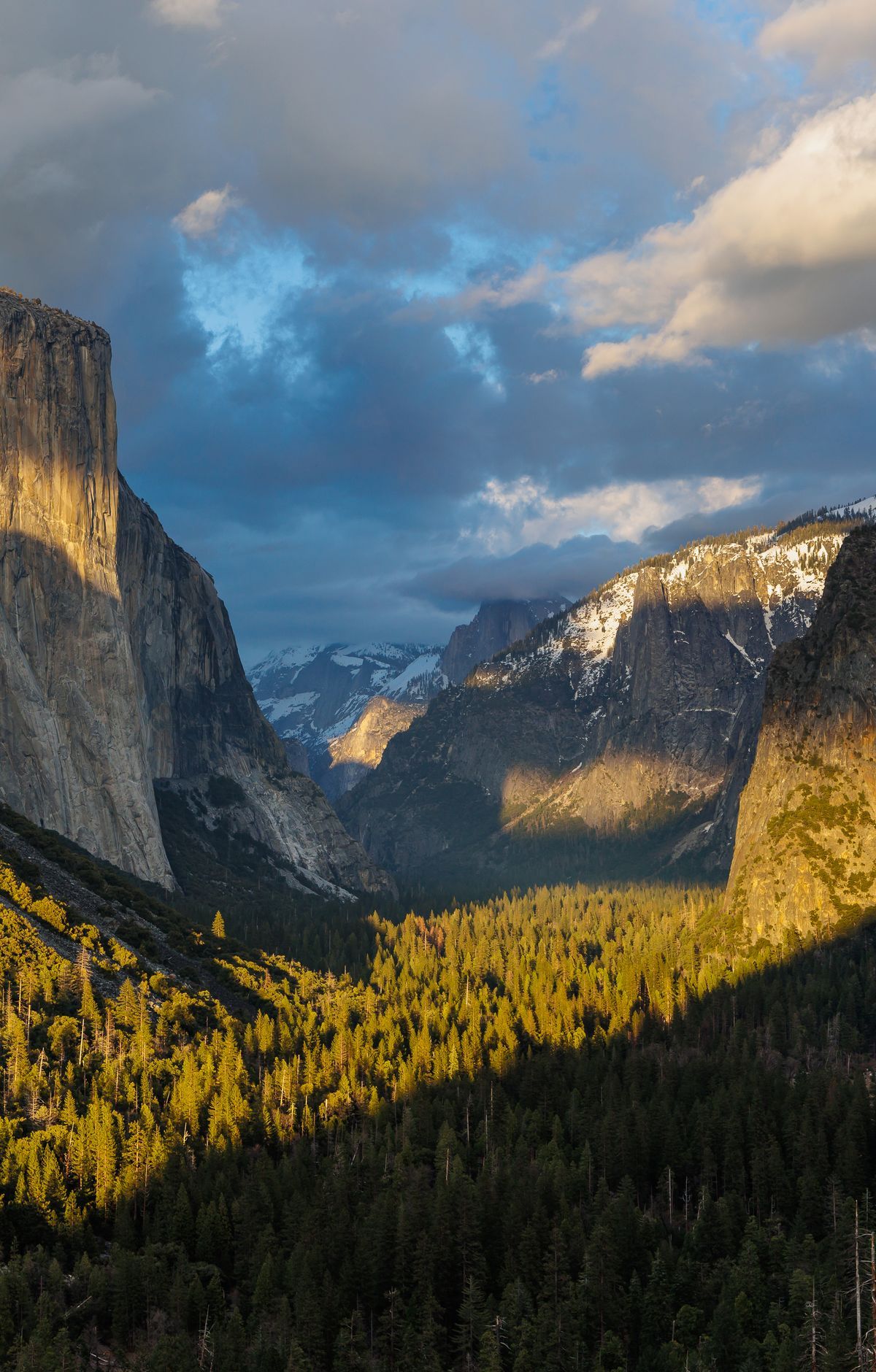
Yosemite Valley shows that granite at its boldest. The valley is a deep, steep canyon with walls of almost entirely bare rock, and its cliffs climb at nearly vertical angles. El Capitan, a granite monolith, anchors the northern wall, and Half Dome rises from the valley as well. Waterfalls drop from about a thousand feet above, while forests, meadows and the Merced River fill the flat floor below.
Tunnel View, on the Wawona Road, takes in much of this at once. The overlook is named for the tunnel bored through the granite, and from its eastern side El Capitan stands on the left, Bridalveil Fall on the right and Half Dome in the center. Many famous photographs of the valley were made here as storms cleared.
The shapes themselves come from erosion working on joints and fractures that formed as the land was uplifted. These cracks do not move, so they are not faults. Granite richer in silica resists erosion better and develops wider gaps between joints, and cross joints carve pillars such as Washington Column and Lost Arrow.
The landscape is still changing. During the greatest flood on record, the Merced River climbed nearly ten feet above its normal level, and signs around the valley still mark the high water. Rockfalls matter too: one slide sent 162,000 tons of rock and debris onto the valley floor near the Happy Isles trailhead, striking with the force of a small earthquake.