Zion National Park guide · 2 min read
Reading the Grand Staircase in Zion's Cliffs
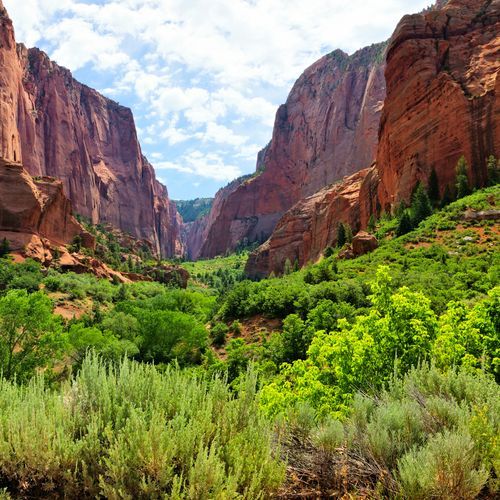
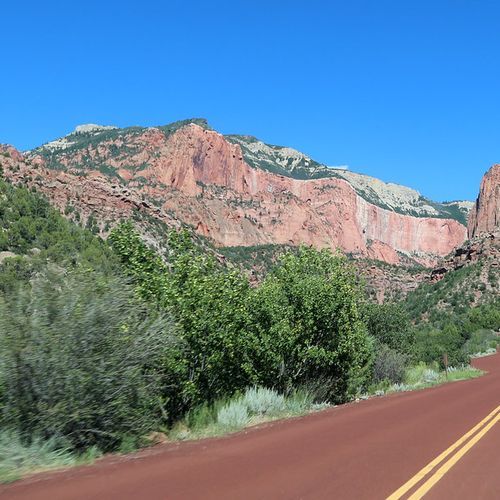
The rock walls of Zion belong to a much larger sequence called the Grand Staircase. Nine geologic formations are exposed inside the park, and together they record roughly 150 million years of sediment piling up, most of it during the Mesozoic era.
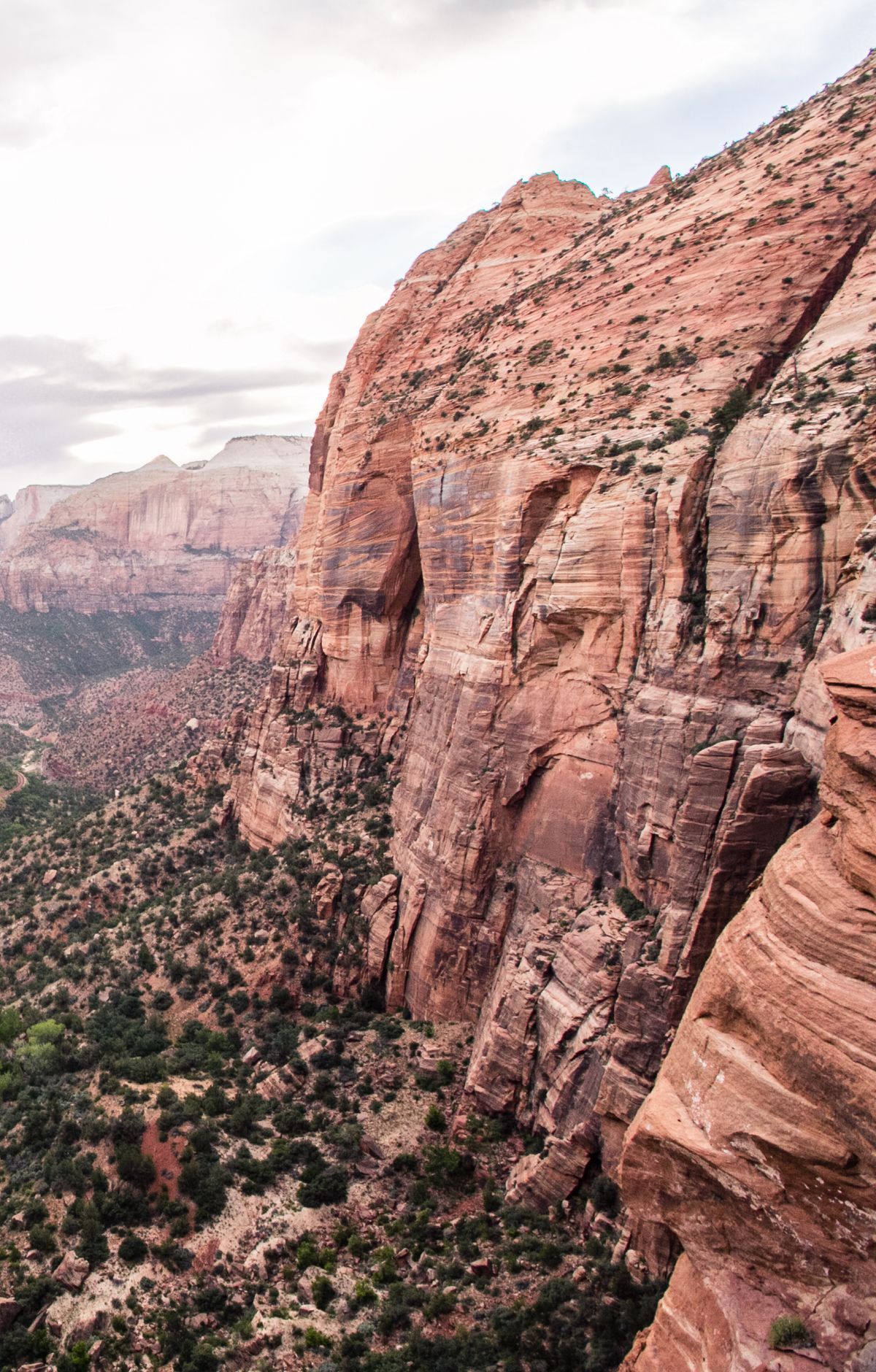
Each layer formed in a different setting, so climbing from the canyon floor to the rim is a little like paging through changing landscapes.
The oldest chapters come from water. The Kaibab and Moenkopi formations settled in a warm, shallow sea that crept forward and pulled back over time. Above them, the Chinle, Moenave and Kayenta formations built up in streams, ponds and lakes. The Chinle Trail shares that formation's name. It leaves from Anasazi Way between Rockville and Springdale and runs 11.7 miles one way to the Coalpits Wash trailhead, passing petrified wood and crusts of cryptobiotic soil, with West Temple and Mount Kinesava rising ahead.
Higher up, the setting turns dry. The Navajo and Temple Cap formations come from a vast desert, and the Carmel Formation from a dry environment near an old shoreline. The Three Patriarchs are carved from Navajo Sandstone, and you can see these white and pink peaks from a short paved path, about 150 feet long, at the Court of the Patriarchs shuttle stop. A Methodist minister and two local boys named them for Abraham, Isaac and Jacob.
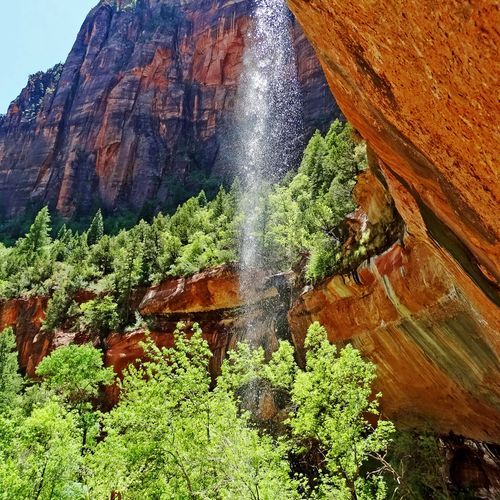
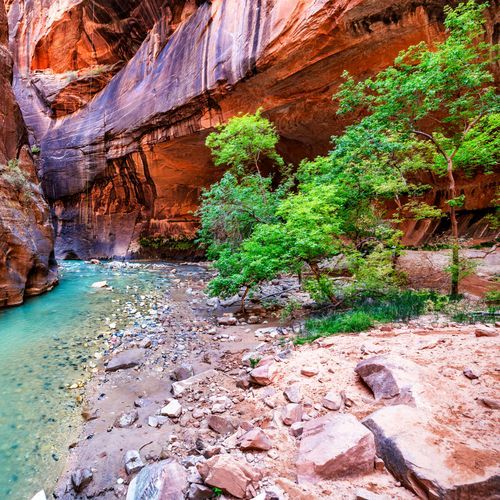
What exposed all these layers was uplift. The whole Colorado Plateau region rose more than 10,000 feet above where the rock was laid down, giving the ancestral Virgin River a steeper path. The North Fork of the Virgin followed cracks in the rock and cut Zion Canyon, and floods still do most of that work, moving millions of tons of rock and sediment each year. Side streams cannot keep pace, which is why they spill as waterfalls from hanging valleys.