Wildlife · Bird · Zion National Park
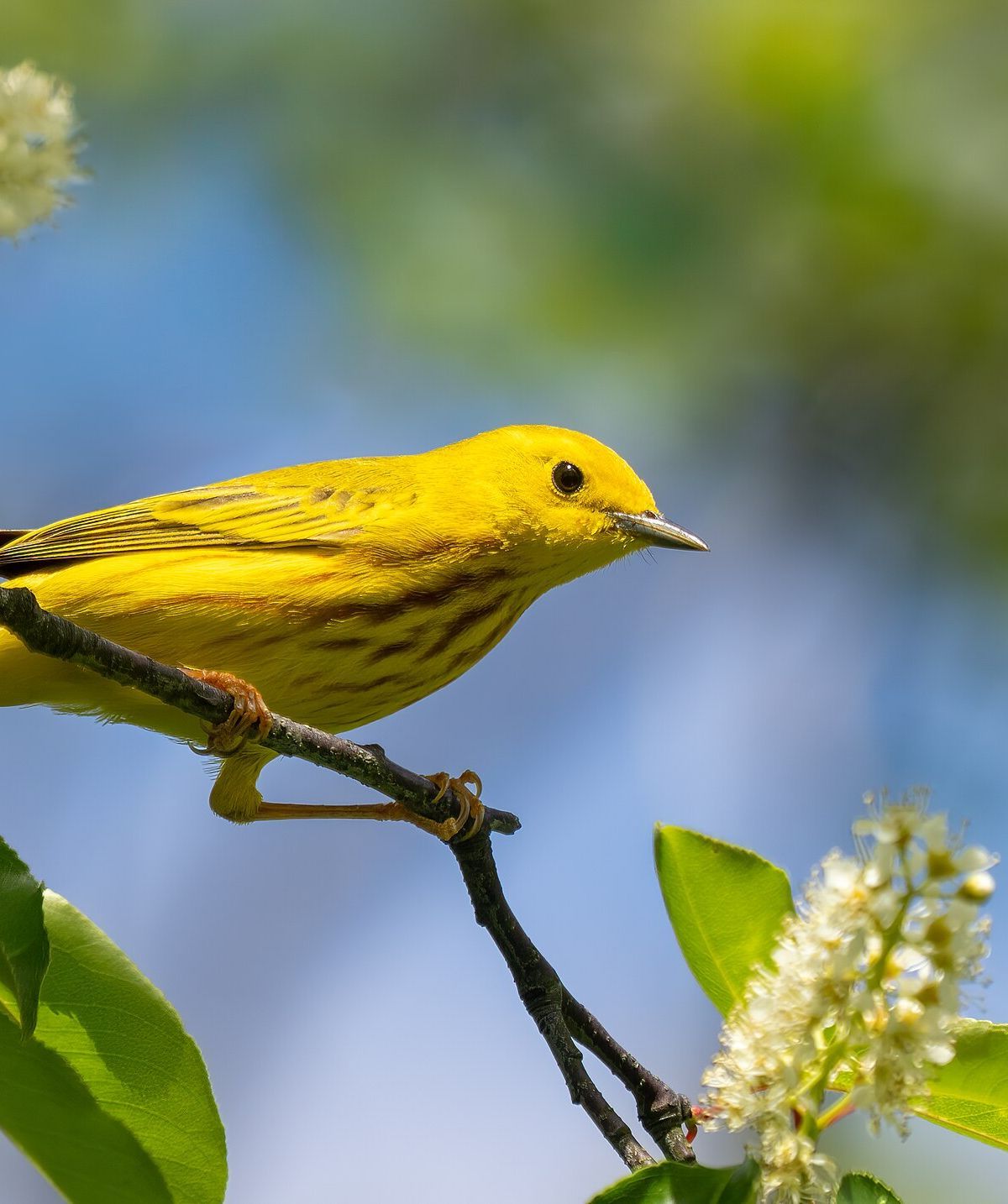
Northern Yellow Warbler in Zion National Park
In Zion National Park, the Northern Yellow Warbler is recorded most often in Zion Canyon. Most sightings are recorded from May through August, with the most in May.
Where can you see Northern Yellow Warbler in Zion National Park?
Zion Canyon · about 0.4 mi away · 442 recorded sightings · Open in Maps
Zion Canyon · about 0.2 mi away · 340 recorded sightings · Open in Maps
Zion Canyon · about 0.6 mi away · 316 recorded sightings · Open in Maps
Zion Canyon · about 0.5 mi away · 191 recorded sightings · Open in Maps
Viewing spot 5
106 recorded sightings · Open in Maps
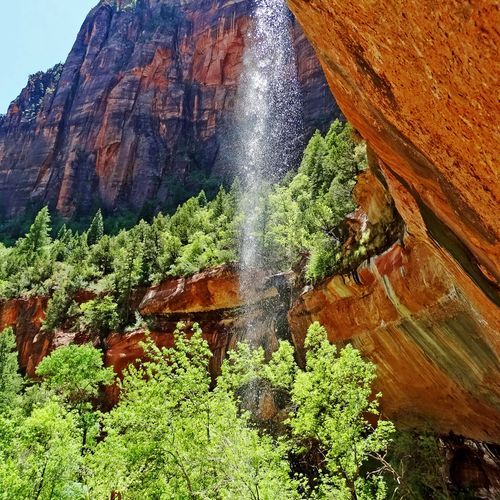
Near Lower Emerald Pool
Zion Canyon · about 0.5 mi away · 69 recorded sightings · Open in Maps
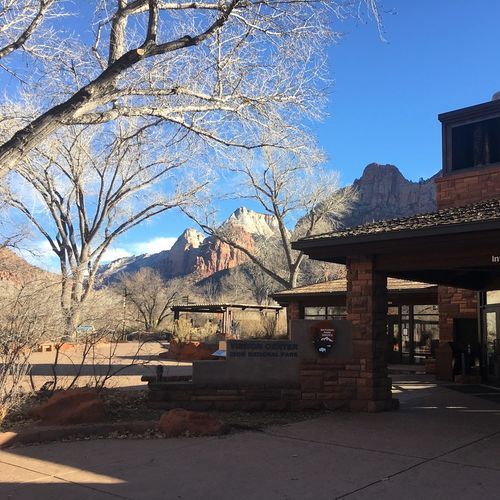
Near Zion Canyon Visitor Center
about 0.1 mi away · 61 recorded sightings · Open in Maps
Zion Canyon · about 0.6 mi away · 42 recorded sightings · Open in Maps
A viewing spot is a place where visitors have photographed and reported the animal many times. Wild animals move: a spot raises your chances, it doesn't promise a sighting. Keep the distance the park asks for.
When is the best time to see Northern Yellow Warbler in Zion National Park?
Most sightings are recorded from May through August, with the most in May.
- January: 0 sightings
- February: 0 sightings
- March: 0 sightings
- April: 25 sightings
- May: 112 sightings
- June: 95 sightings
- July: 33 sightings
- August: 62 sightings
- September: 0 sightings
- October: 0 sightings
- November: 0 sightings
- December: 0 sightings
Recorded sightings in Zion National Park by month, 327 in all. The count follows visitors as well as animals: a quiet month can mean few people were there to report.
Key facts
- Type
- Bird
- Scientific name
- Setophaga aestiva
- Mapped viewing spots
- 8
- Most sightings
- May through August
- Recorded sightings
- 327
About the Northern Yellow Warbler
The Northern Yellow Warbler (Setophaga aestiva) is a small, lively songbird about 11–13 cm long with a bright lemon-yellow body that catches the eye. Adult males stand out with thin rusty streaks across a yellow breast and a warm golden head; females and young birds appear paler and less streaked. They have a fine, pointed bill for picking insects, rounded heads and a compact silhouette that makes them easy to spot when they flit through shrubs and small trees.
You’ll find these warblers in wet thickets, riparian willow and alder stands, shrubby park edges and other brushy habitats—places with lots of insect prey. They migrate long distances, breeding across much of North America and wintering in the tropics. Active and conspicuous, they glean caterpillars, flies and spiders from leaves and often make short sallies to catch airborne insects. Males sing a sweet, rapid series of whistles—an iconic “sweet-sweet-sweet”—from exposed perches to defend territory and attract mates. They build neat cup nests low in shrubs, so look close to the trail where dense, low vegetation meets water.
The species remains widespread and generally not threatened, but local populations can suffer where wetlands are lost or where brood parasitism by cowbirds is high. Park visitors can enjoy excellent viewing in spring and early summer; try listening for their bright song near streams and keeping to designated trails to avoid disturbing nesting areas.