Big Bend National Park guide · 2 min read
Big Bend's Rugged Unpaved Backroads
Past the paved roads, Big Bend has a network of rugged unpaved backroads that reach historic sites, trails, and remote parts of the park that are otherwise hard to access.
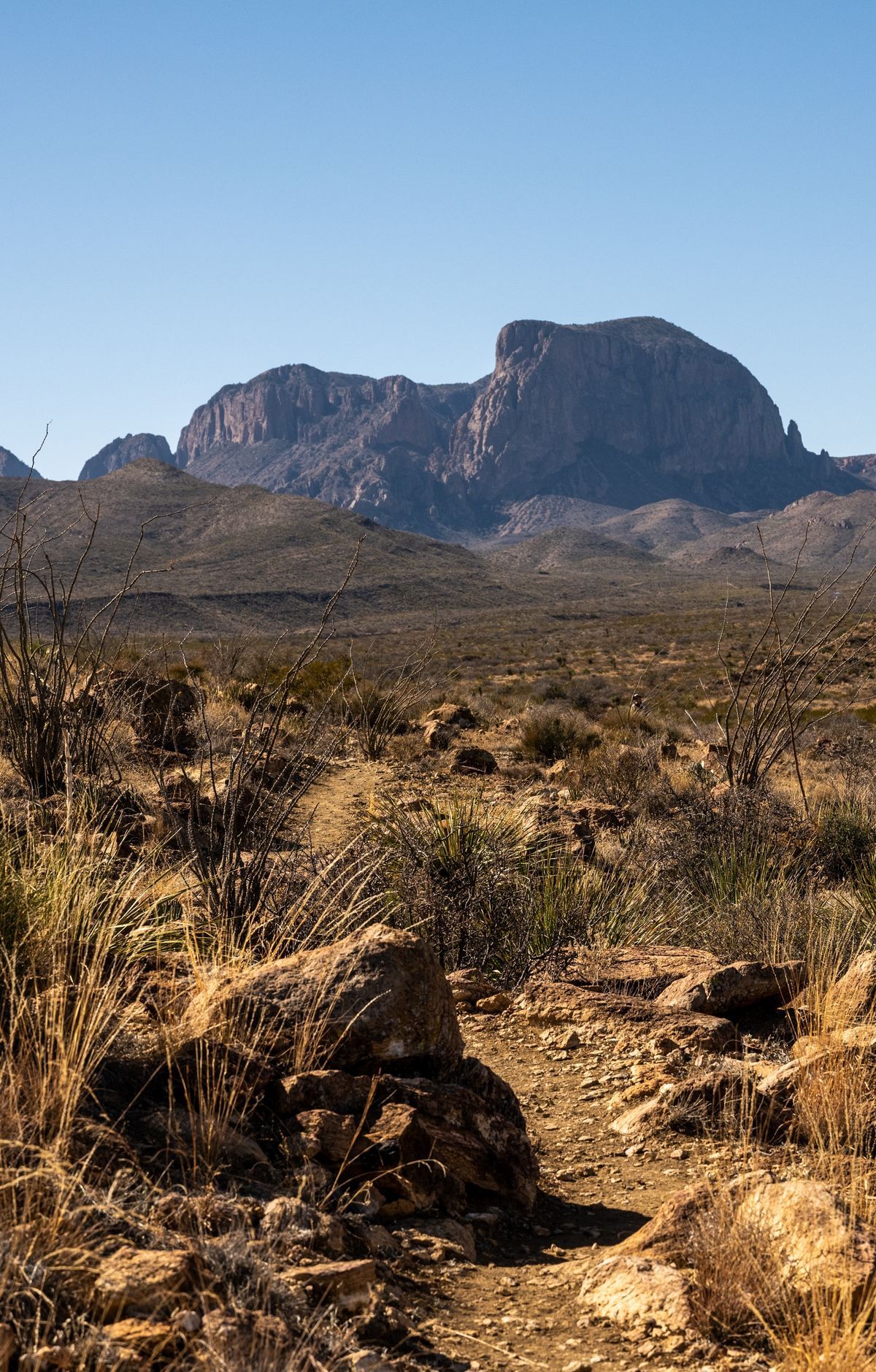
Whichever one you pick, expect a bumpy ride and keep your speed low.
Several of these routes cross bedrock and washes, which makes them extremely rough and calls for a high-clearance vehicle. Think of a sport utility vehicle or pickup with wheel rims measuring at least 15 inches across, a low-gear transfer case, and a minimum of eight inches of ground clearance. Vehicles need to be street legal, and off-road driving is banned, so keep to established roads.
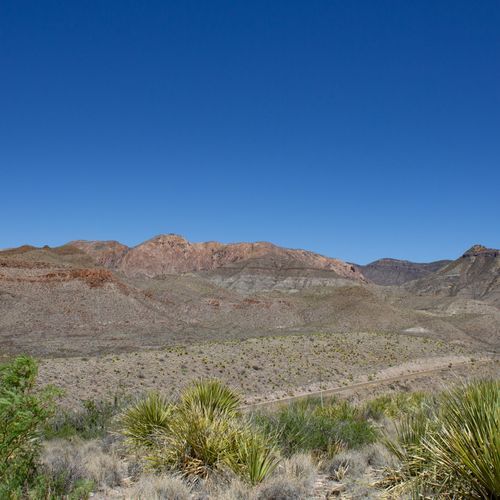
Dagger Flat Road runs seven miles east through desert scenery to a valley filled with giant dagger yuccas, so the round trip covers 14 miles. Plan about two hours for the drive; the speed limit is 25 miles per hour. The road also suits mountain bikers. The Big Bend Natural History Association bookstore sells a road guide with mile-by-mile logs and notes for cyclists.
Persimmon Gap is a low pass through the Santiago Mountains at the northern entrance, and travelers have used it for centuries. A visitor center for orientation sits at the gap, next to a picnic area. Roadside exhibits line the route between Persimmon Gap and Panther Junction, including the open-air Fossil Discovery Exhibit. Old Ore Road covers about 25 miles of rocky terrain known for its geology and historic sites. River Road runs 51 miles of primitive dirt between Rio Grande Village and Castolon through the park's most remote area.
Backcountry road safety matters before you leave the pavement. These tracks are isolated and seldom patrolled, so a breakdown can quickly become dangerous. Bring plenty of drinking water, a working jack, and a spare tire in good condition. Drive slowly on the roughest stretches.