Big Bend National Park guide · 1 min read
Chihuahuan Desert Life and Birding Refuge
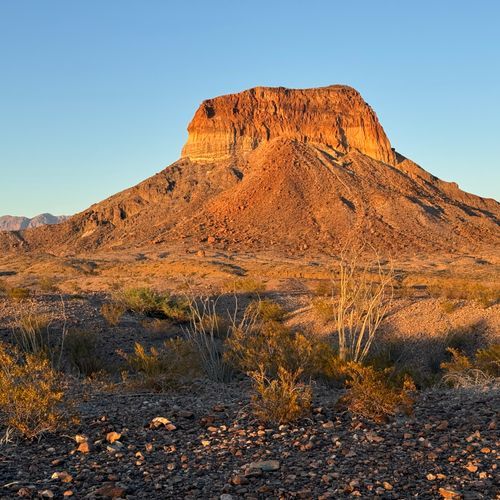
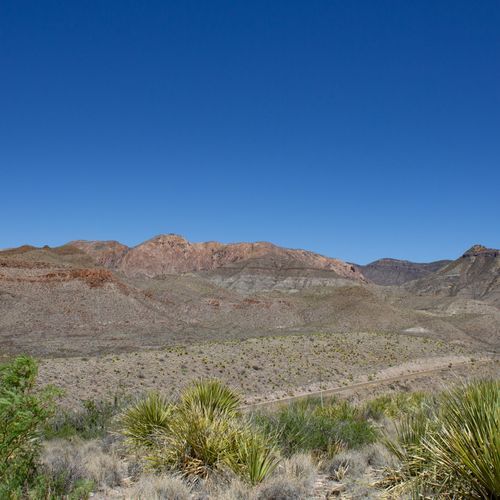
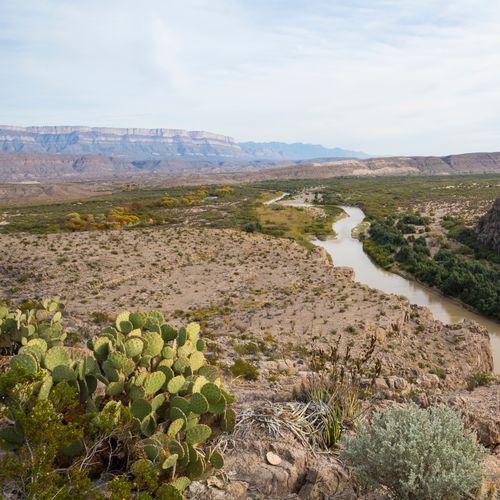
The Chihuahuan Desert covers about 80 percent of Big Bend National Park and wraps around the Chisos Mountains.
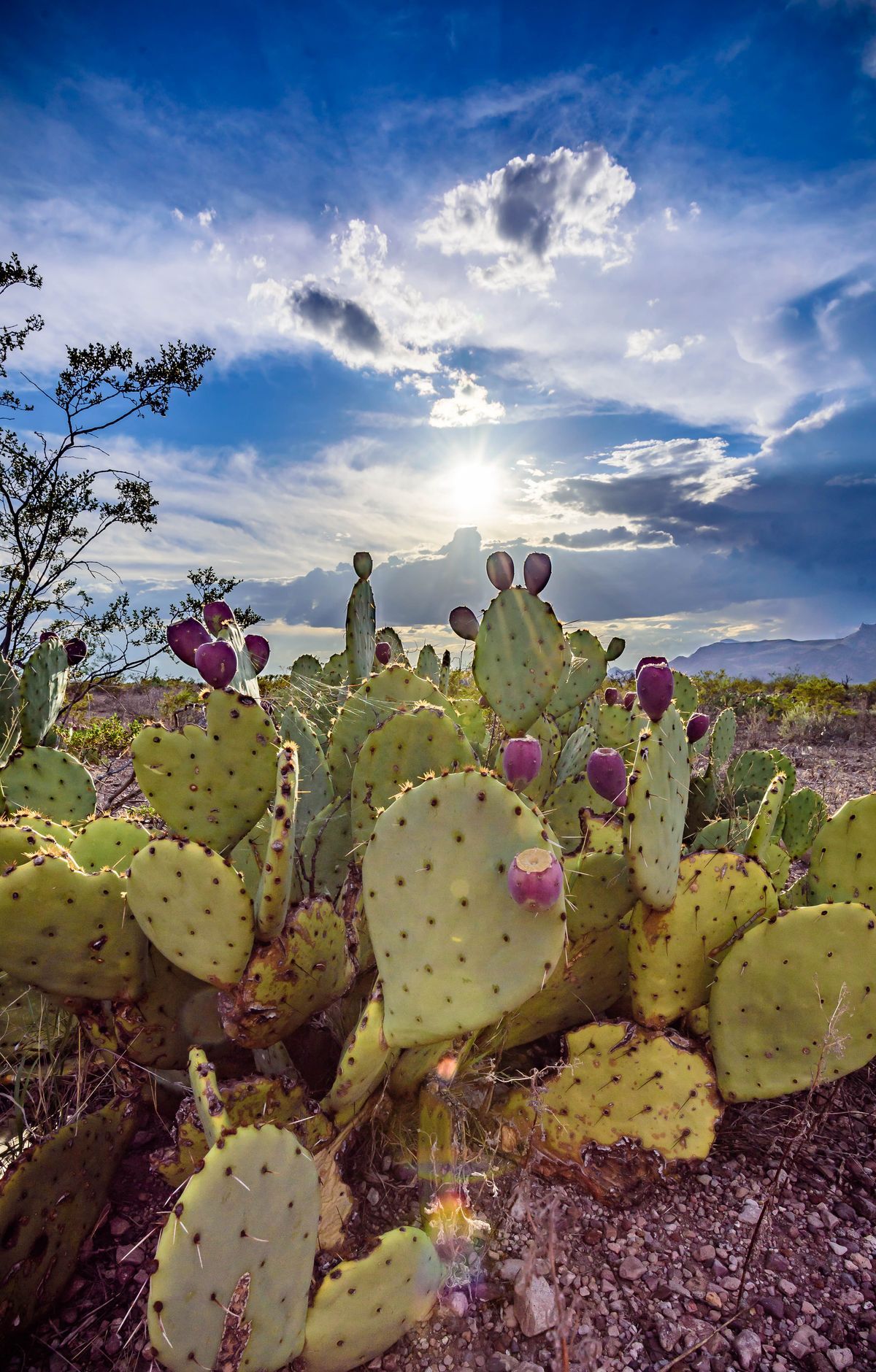
At first the ground looks bare and rocky, with only scattered plants, but animals and insects leave plenty of signs once you start looking. Keep an eye out for termite nests climbing plant stems, empty millipede shells, droppings, and the tunnels dug by rodents and reptiles.
Spring brings the most color to the desert. Paintbrush, bluebonnets, bi-color mustard, desert marigold, ocotillo, and the flowers of yuccas and cacti all open across the ground. If you want to see cactus in bloom, March and April are the best months to go. Among the yuccas, the giant dagger stands out as one of the most striking species.
More than 450 bird species have been documented in the park, which makes it a strong destination for birdwatchers. Birds are most active in the morning, and many build their nests hidden among yuccas and cacti. The park also holds the title of UNESCO Biosphere Reserve.
Big Bend is the only place in the United States where the Colima warbler breeds. The bird nests on the ground and prefers the oak and maple growth in Boot Canyon and other high, cool spots. The South Rim trail runs around the high Chisos peaks and passes through that habitat.
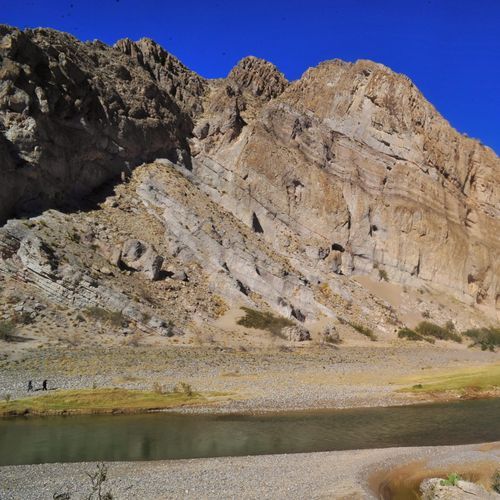
Walking is the best way to explore the desert, and the trails lead to some memorable finds. The Chimneys Trail reaches a rock formation in the desert, and the Mule Ears, a pair of rock towers, stand in the open landscape. Ernst Tinaja, a water-filled pocket in the rock, is another highlight, and Dugout Wells is worth adding to your list.