Biscayne National Park guide · 1 min read
Dry Season, Mosquitoes and Hurricane Months
Biscayne has a subtropical climate, and sunny days are typical in every season. From November through April, the dry season brings cooler air than summer, though it never turns truly cold.
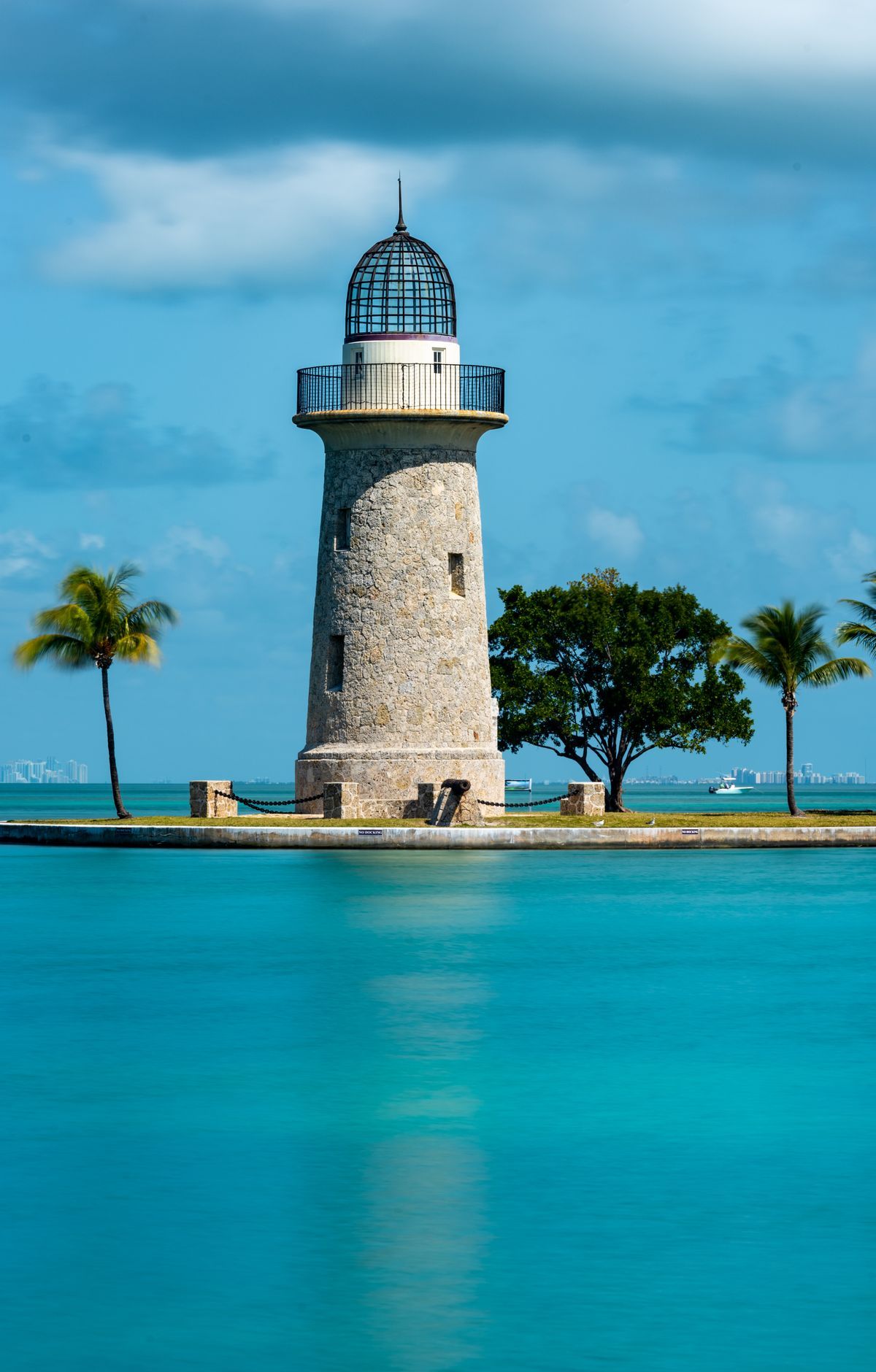
The average high in January is 77 degrees Fahrenheit, compared with 90 in August. Winters are usually dry and mild, and the occasional front brings some wind and only light rain.
Mosquito levels run high from May through October. A visit in early December found them a serious problem on Elliott Key, around Jones Lagoon, and on the short hike near Boca Chita Key. Elliott Key is one of the park's 42 islands, and mosquitoes there are a particular concern. For the fewest mosquitoes, February is the month to choose.
Summers are hot and humid, with afternoon highs near 90 degrees Fahrenheit and frequent rain. Expect scattered thunderstorms in the afternoons. Hurricane season runs from June 1 to November 30, and its busiest stretch falls between mid-August and mid-October. Storms can disrupt travel plans, so check conditions before you set out.
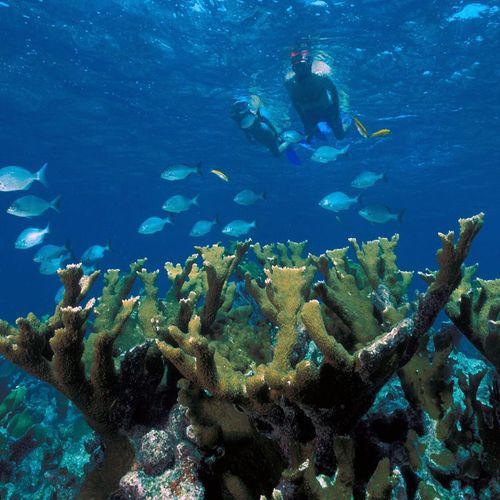
Winter seas can turn rougher, which can make the offshore reefs and shipwrecks hard to reach for a while. When conditions are calm, you can snorkel over the reefs and wrecks offshore. Winter air can feel cool for those out on the water. One visitor reported a jellyfish sting while snorkeling near the Mandalay shipwreck.