Castillo de San Marcos and Fort Matanzas National Monuments guide · 1 min read
Oglethorpe's 1740 Siege of St. Augustine
In May of 1740, James Oglethorpe moved against Spanish Florida. He had established Savannah and the Georgia Colony in 1733 and built Fort Frederica in 1736 to guard his colony's southern edge, and the War of Jenkins' Ear gave him his opening.
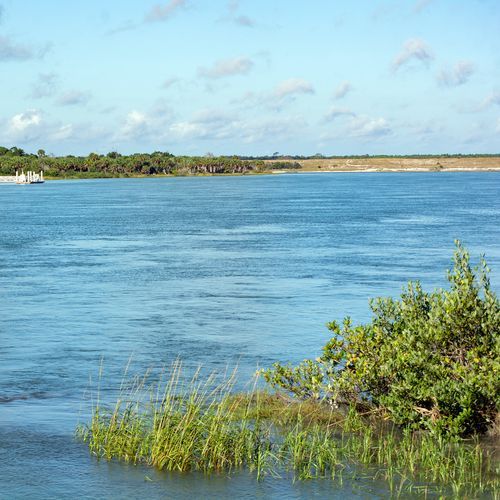
His forces blockaded the city by sea, closing Matanzas Inlet to the south so supplies could not slip in through the back door.
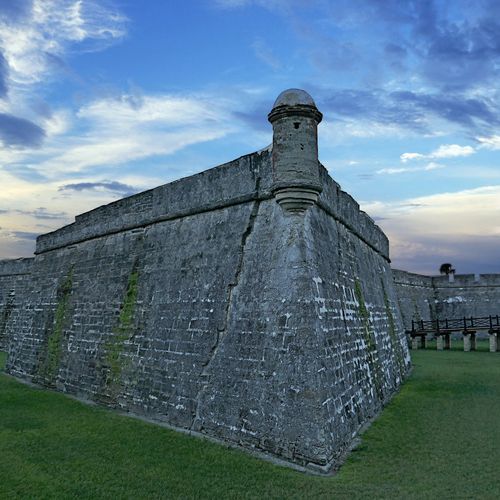
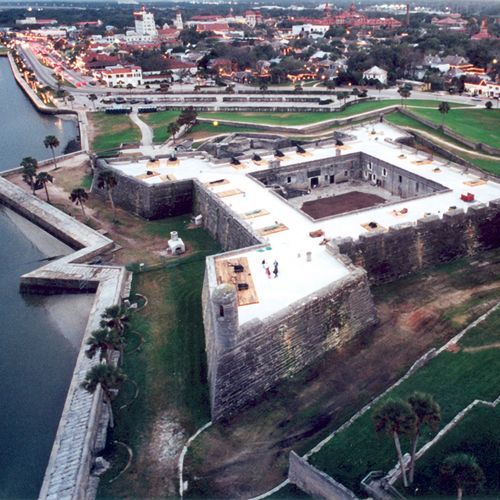
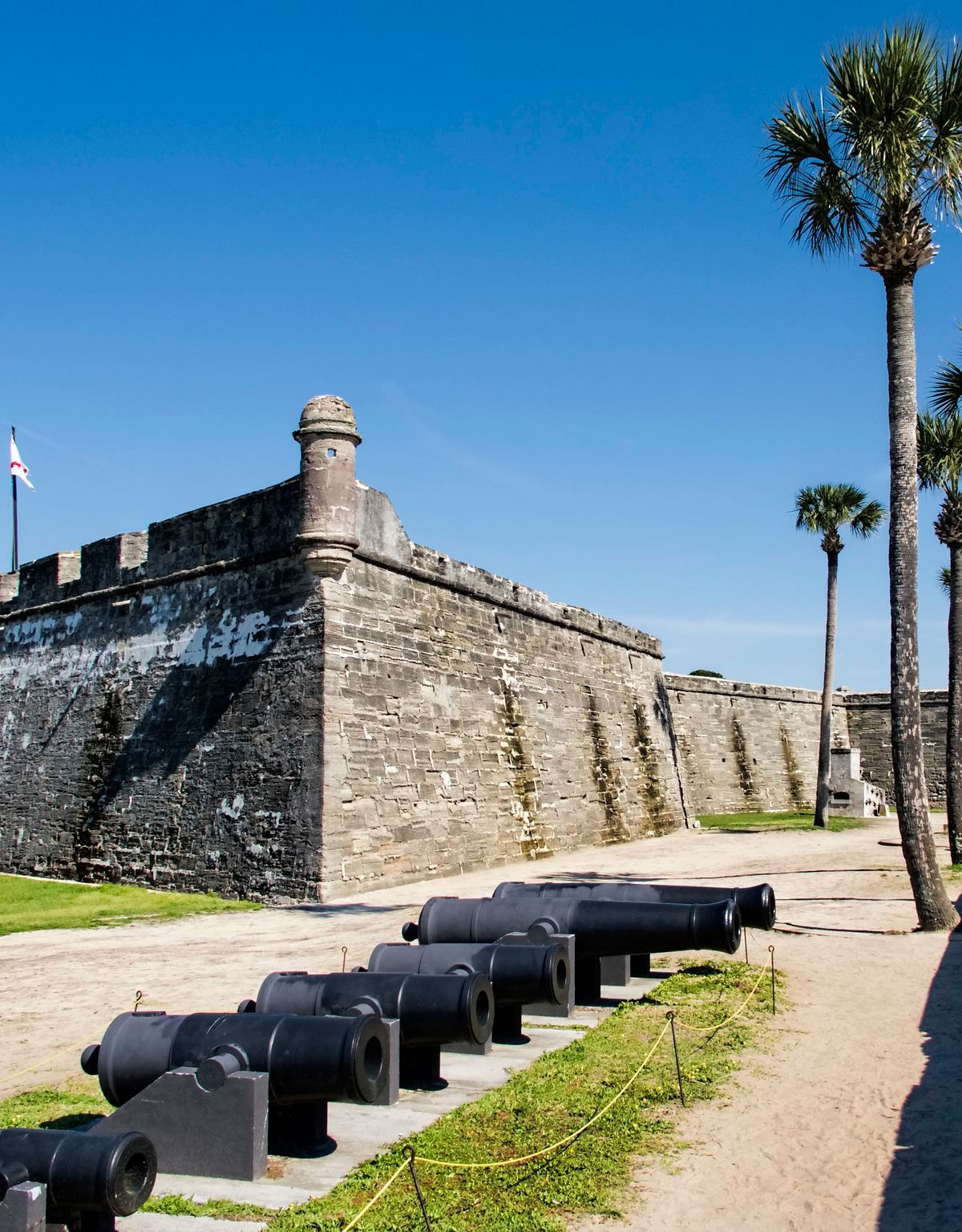
Governor Manuel de Montiano had seen the threat coming. His storehouses held only about three weeks of supplies, so he sent a courier to Havana for help. He had also spent the prior years reworking Castillo de San Marcos, raising its walls and adding arched casements beneath a thick roof so cannon could ring the entire gun deck. Outside, he strengthened the Cubo Line and other outer defenses.
Montiano's preparations included Fort Mose, a settlement for people who had escaped slavery in the Carolina Colony. He granted them freedom and citizenship in exchange for militia service. On June 26, about three hundred Spanish soldiers and free Black militiamen surprised the British-held fort, killing 68 and capturing 34 of its garrison.
From batteries on the island of Santa Anastasia, Oglethorpe shelled the Castillo for 27 days, but the fort was never breached. Spanish supply ships then got past the blockade, ending any hope of starving the town out. With hurricane season near, the British naval commander chose not to join an assault, and Oglethorpe retreated to Georgia, leaving his artillery behind.
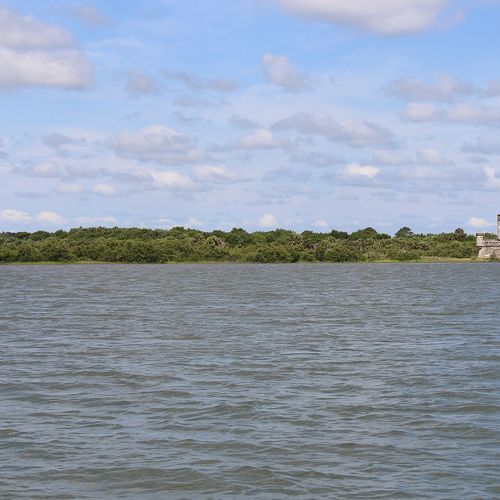
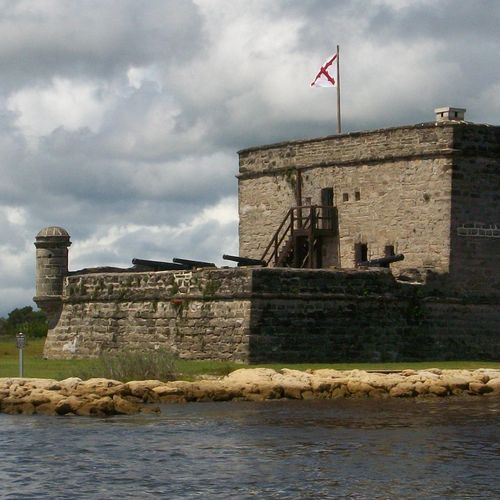
At Matanzas Inlet, Spain built a fortified watchtower, completed in 1742, to defend the southern approach to the city. Today a short ferry across the Matanzas River carries visitors to Fort Matanzas. On the water, watch for dolphins, wading birds fishing along the shore and osprey overhead, with the occasional sea turtle.