Wildlife · Mammal · Chiricahua National Park
White-nosed Coati in Chiricahua National Park
In Chiricahua National Park, the White-nosed Coati is recorded most often in Faraway Ranch and Massai Point & Echo Canyon.
Where can you see White-nosed Coati in Chiricahua National Park?
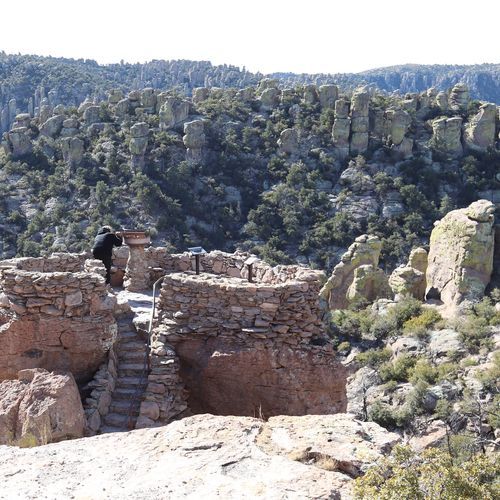
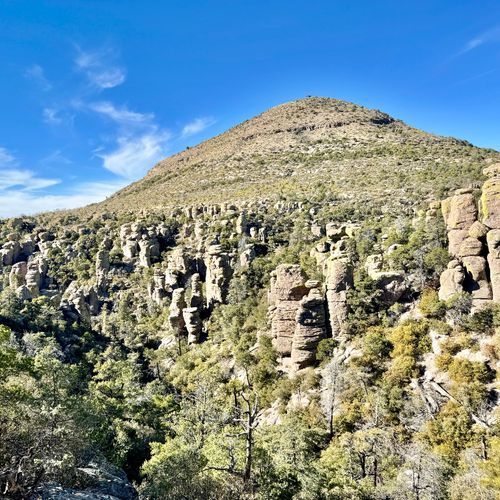
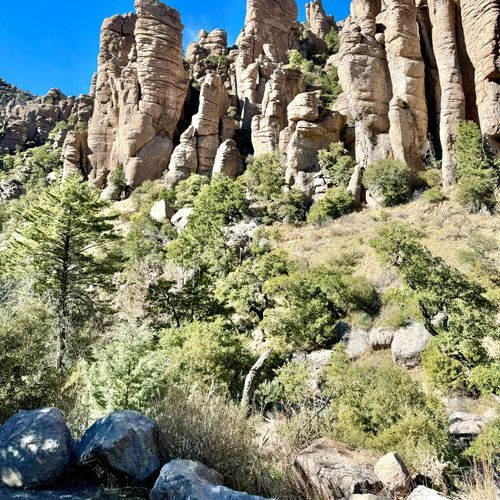
Near Exhibit Building
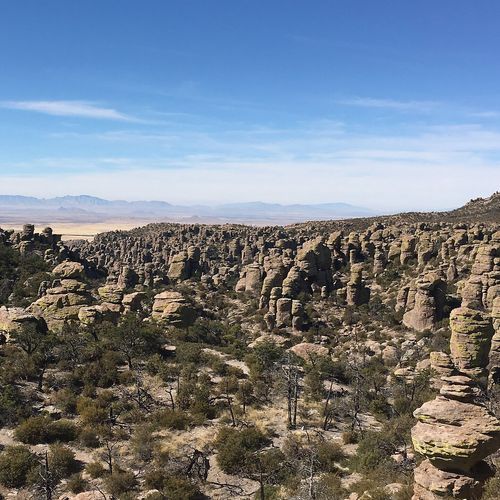
Massai Point & Echo Canyon · about 0.3 mi away · 15 recorded sightings · Open in Maps
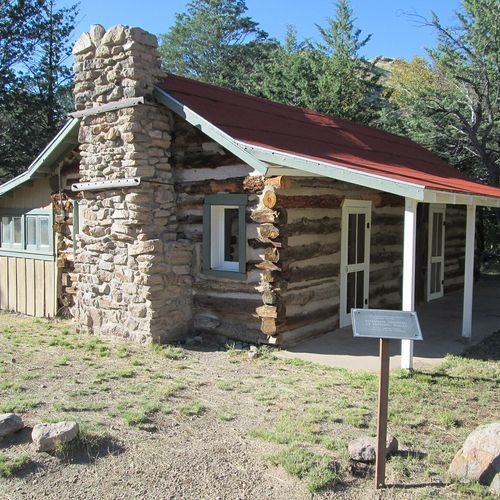
Near Stafford Cabin
Faraway Ranch · about 0.1 mi away · 13 recorded sightings · Open in Maps
Faraway Ranch · 7 recorded sightings · Open in Maps
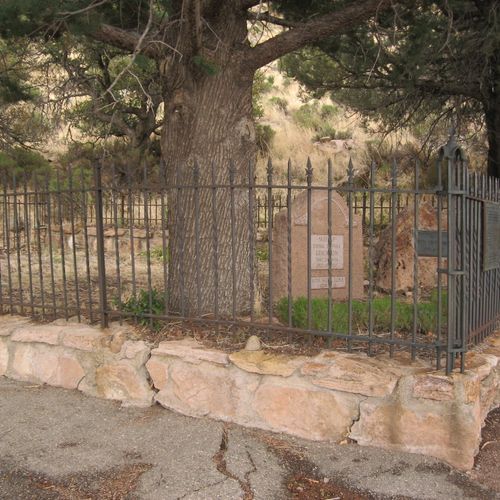
Near Erickson Cemetery
Faraway Ranch · about 0.4 mi away · 6 recorded sightings · Open in Maps
Faraway Ranch · 3 recorded sightings · Open in Maps
A viewing spot is a place where visitors have photographed and reported the animal many times. Wild animals move: a spot raises your chances, it doesn't promise a sighting. Keep the distance the park asks for.
Key facts
- Type
- Mammal
- Scientific name
- Nasua narica
- Mapped viewing spots
- 5
About the White-nosed Coati
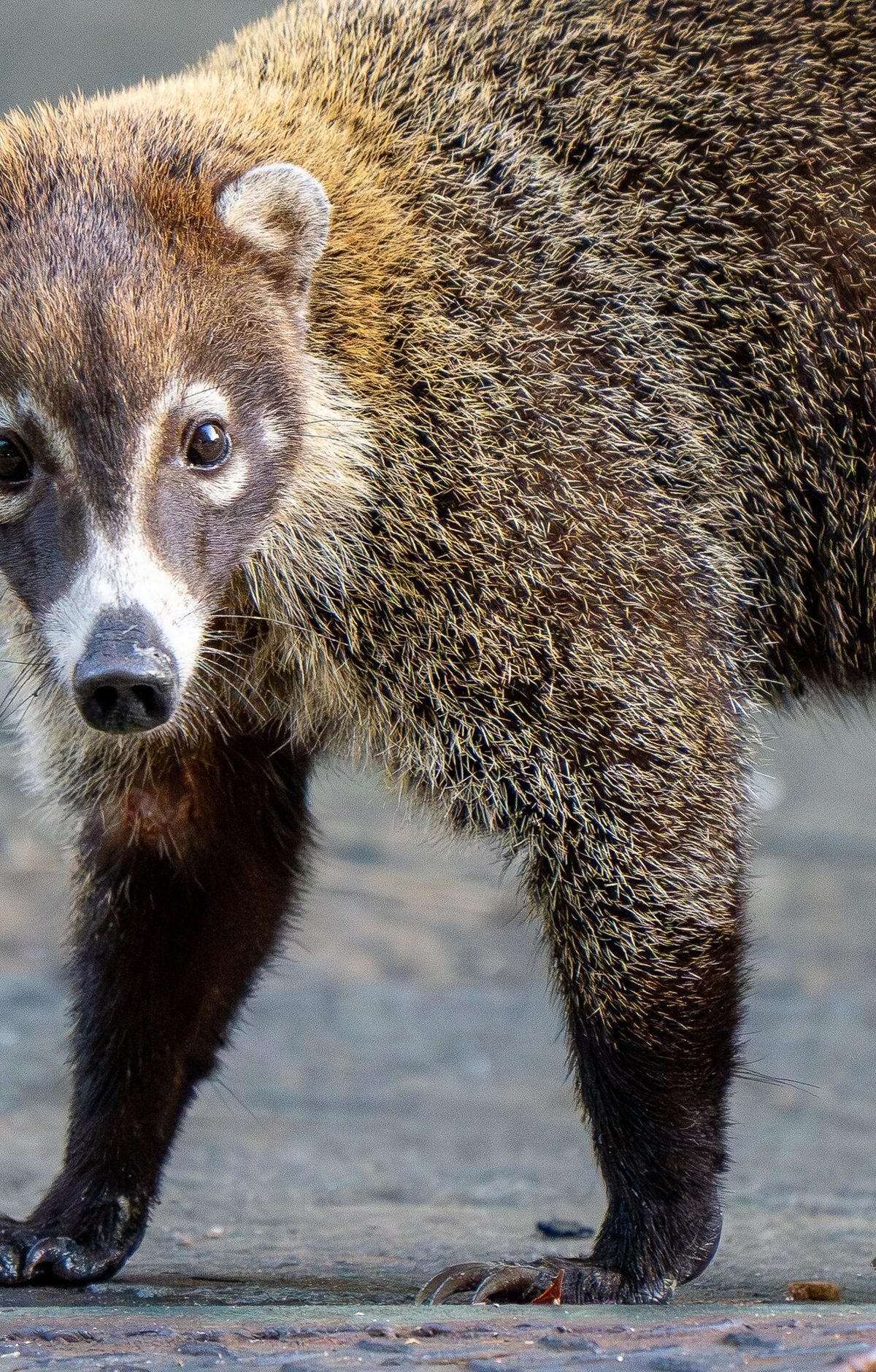
The white-nosed coati is a lanky, curious relative of the raccoon, instantly recognizable by its long, upturned snout tipped with white. Pale markings frame its eyes and muzzle, and its coat ranges from reddish-brown to dark brown. The most striking feature is its slender, faintly ringed tail, often held straight up like a flag as the animal trots along. Adults measure about 3.5 feet from nose to tail tip, with the tail making up nearly half that length. Most weigh 9 to 13 pounds, though large males can reach 20 pounds.
Coatis range from the canyons and wooded mountains of southern Arizona and New Mexico through Mexico and Central America to northern South America. They favor forests, wooded canyons, and streamside habitats. Active mainly during the day, they forage with their flexible noses, rooting through leaf litter and soil for insects, grubs, spiders, and small lizards. They also eat fruit, eggs, and other easy finds. Females and young travel in noisy, social groups called bands, which sometimes number 20 or more. Adult males usually wander alone, which inspired one regional nickname, "gato solo." Coatis are also skilled climbers and can rotate their ankles to descend trees headfirst.
Coatis are widespread and not considered threatened, but habitat loss and roadways affect local populations. In parks, you are most likely to spot a band moving through a canyon or crossing a trail in the morning or late afternoon. Watch for upright tails bobbing through the brush. Though they may seem bold or approachable, never feed them. Human food harms their health and can make them aggressive. Enjoy them from a respectful distance.