Congaree National Park guide · 1 min read
From Congaree Indians to Beidler Logging Fight
Long before the park had a name, the Congaree Indians claimed the floodplain. The Spanish explorer Hernando de Soto wrote about the area in his journals.
Around 1700, a smallpox epidemic that came with European settlers devastated the Congarees, and the newcomers who followed received land grants from the King of England until South Carolina took over those grants in 1776.
In the early 1900s, the Santee River Cypress Lumber Company, owned by Francis Beidler, had bought up much of the land. Loggers worked near waterways and floated logs downriver, but many cut trees stayed too green to float in the constant dampness. Operations were suspended within ten years. The Beidler family kept ownership of the tract, and when logging resumed in 1969 it set off a push for federal protection.
Harry Hampton, co-editor of The State newspaper, teamed up with Peter Manigault at The Post and Courier to argue for saving the floodplain. In 1961 Hampton formed the Beidler Forest Preservation Association, and a 1963 National Park Service study looked favorably on a national monument. The Congaree Swamp National Preserve Association formed in 1972 and joined the Sierra Club in pushing for federal legislation. Senators Strom Thurmond and Ernest Hollings of South Carolina introduced legislation in 1975, and the bill creating Congaree Swamp National Monument passed on October 18, 1976.
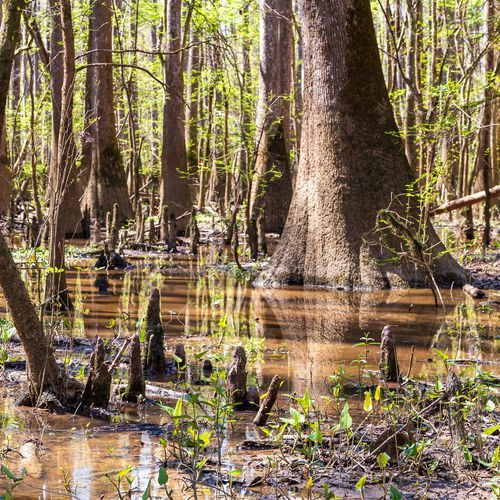
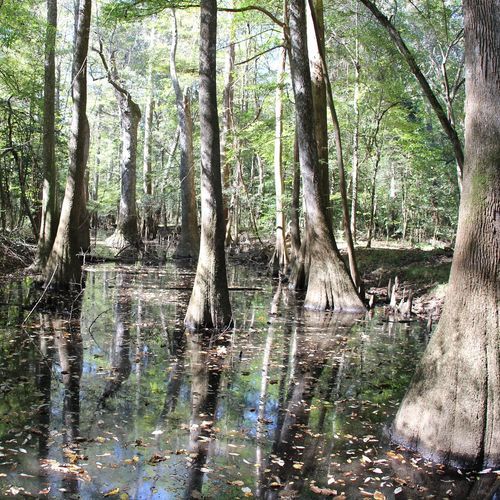
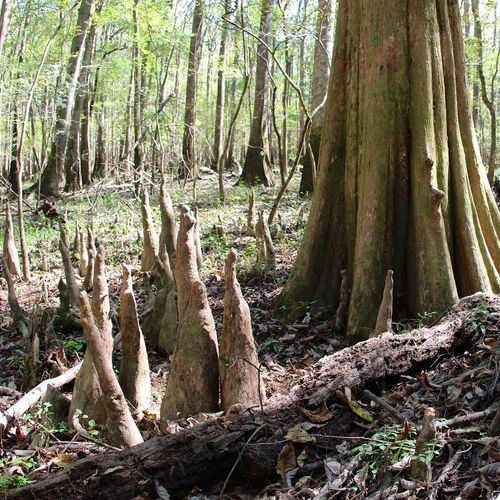
Congaree protects the biggest unbroken stand of old-growth bottomland hardwood forest that remains in the Southeast, where bald cypress and water tupelo rise out of the floodplain. Congress redesignated the monument as Congaree National Park on November 10, 2003, dropping the misleading word swamp from the name.
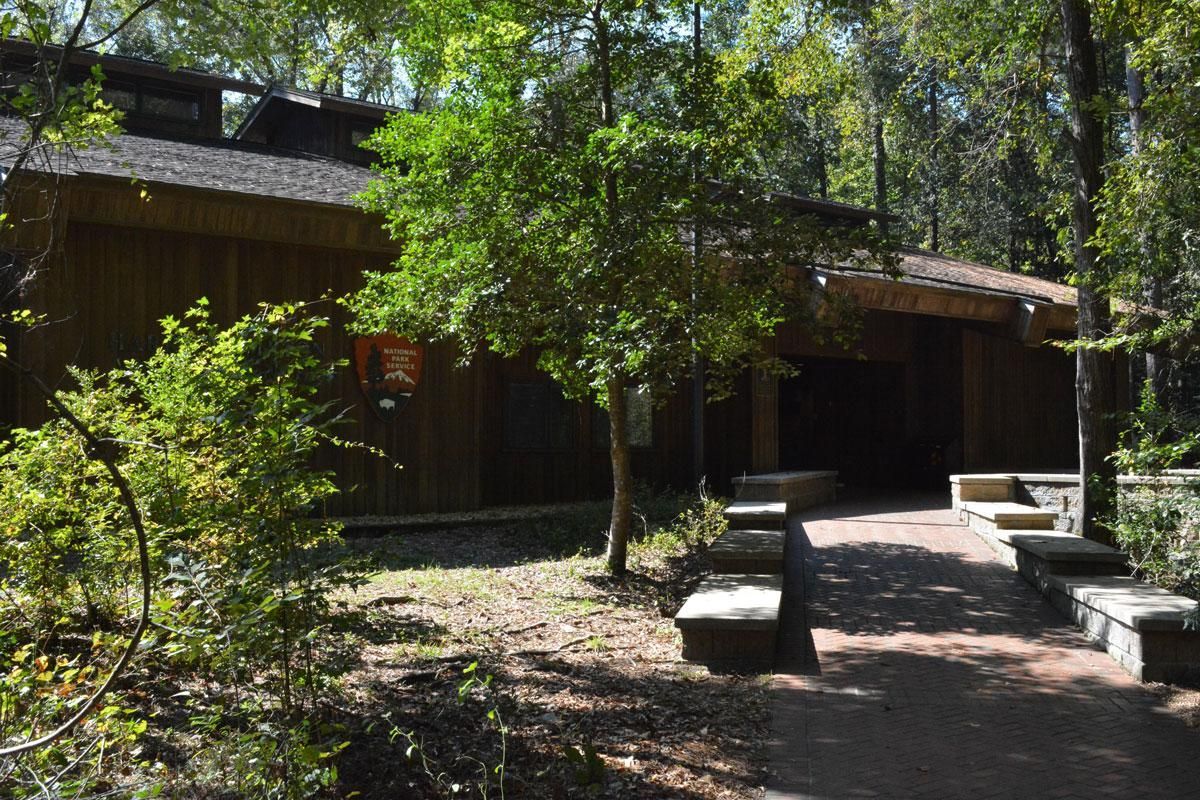
The Harry Hampton Visitor Center is the park's main hub, and most hiking trails begin there, including the Boardwalk Loop Trail. Rangers at the center keep current trail conditions.