Gates Of The Arctic National Park & Preserve guide · 2 min read
Climbing Arrigetch, Doonerak and Igikpak
The Arrigetch Peaks lie in the central Brooks Range, the northernmost chain of mountains on the continent.
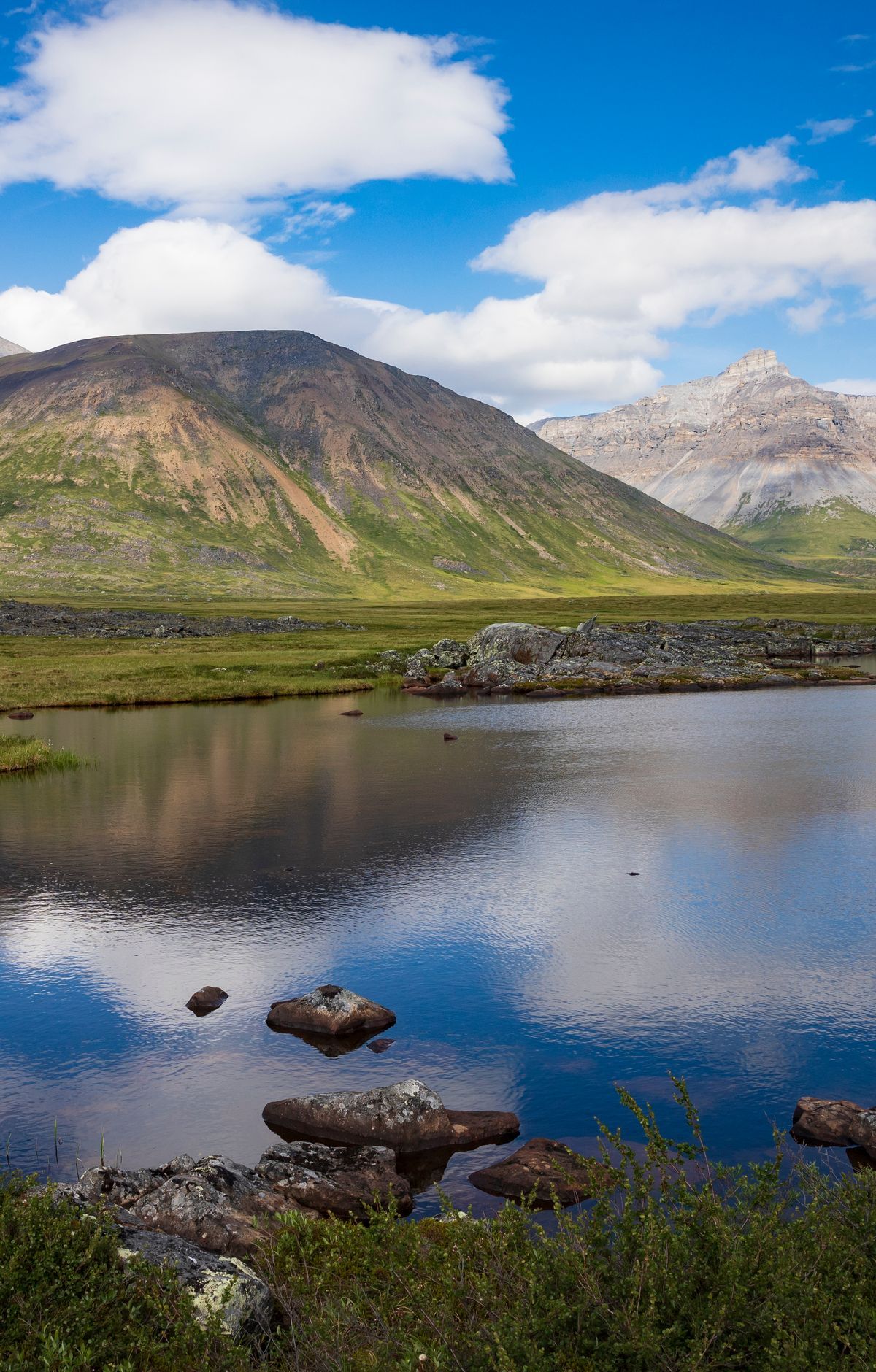
The 38,313-acre area holds rugged granite pinnacles. Ice and moving water sculpted the granite and wore the land around the peaks down by several thousand feet. Some walls in the range climb 3,000 to 4,000 feet above the valleys that lie beside them. The name Arrigetch refers to outstretched fingers, and local people have long used the peaks as a landmark.
Mount Doonerak and Mount Igikpak round out the three areas where most of the climbing in the park and preserve takes place. Igikpak lies 20 miles due west of the Arrigetch Peaks and holds the title of tallest mountain in the park. These three places see the most traffic and the heaviest lasting wear.
Getting in usually involves a float plane, since the park has no roads or trails. Most of the peaks count as technical climbs, which calls for real climbing ability. For route information, the American Alpine Club journals are a useful place to look.
Apart from fixed anchors, which need a special use permit, the park has no rules specific to rock climbing. Because the area is wilderness, climbers must clean their routes and skip bolts and fixed anchors unless a permit allows them. A request for anchors goes to the park and needs to name the routes or rock faces involved, along with the number of anchors wanted. Before a permit is issued, the request passes through a National Environmental Policy Act compliance team and then reaches the superintendent. Technical climbers can also reach out to the Park Service.
Lower Arrigetch Creek has several stretches that take heavy use, and places to pitch a tent are few. Stick to existing campsites when you can, and avoid widening them. Carry a stove for cooking, since wood is in short supply and fire pits mar the scenery.