Gates Of The Arctic National Park & Preserve guide · 2 min read
Western Arctic Caribou Herd and Arctic Wildlife
Caribou follow routes across the park that have been used for ages. Three herds depend on its habitat: the Western Arctic, Central Arctic, and Teshekpuk.
Each herd ranges widely, grazing on low-lying plants and the slow-growing lichens that carpet the ground. Caribou remain vital to local Native communities.
The park is home to a wide range of animals. Brown bears, black bears, moose, muskoxen, Dall sheep, and Interior Alaskan wolves roam the land, alongside wolverines, lynx, coyotes, and both red and Arctic foxes. Smaller residents include Arctic ground squirrels, lemmings, voles, and snowshoe hares. Rivers hold grayling, Arctic char, and chum salmon, while peregrine falcons, ospreys, bald eagles, and golden eagles are among the birds of prey.
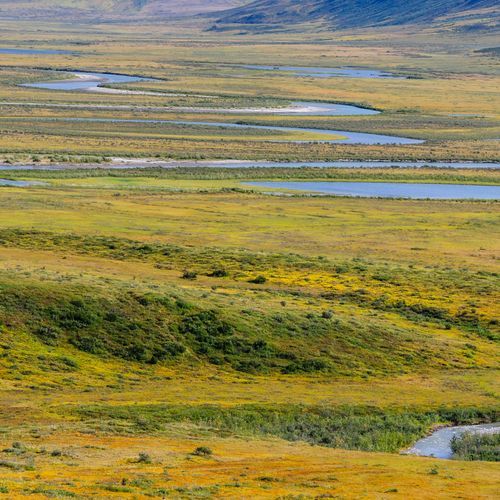
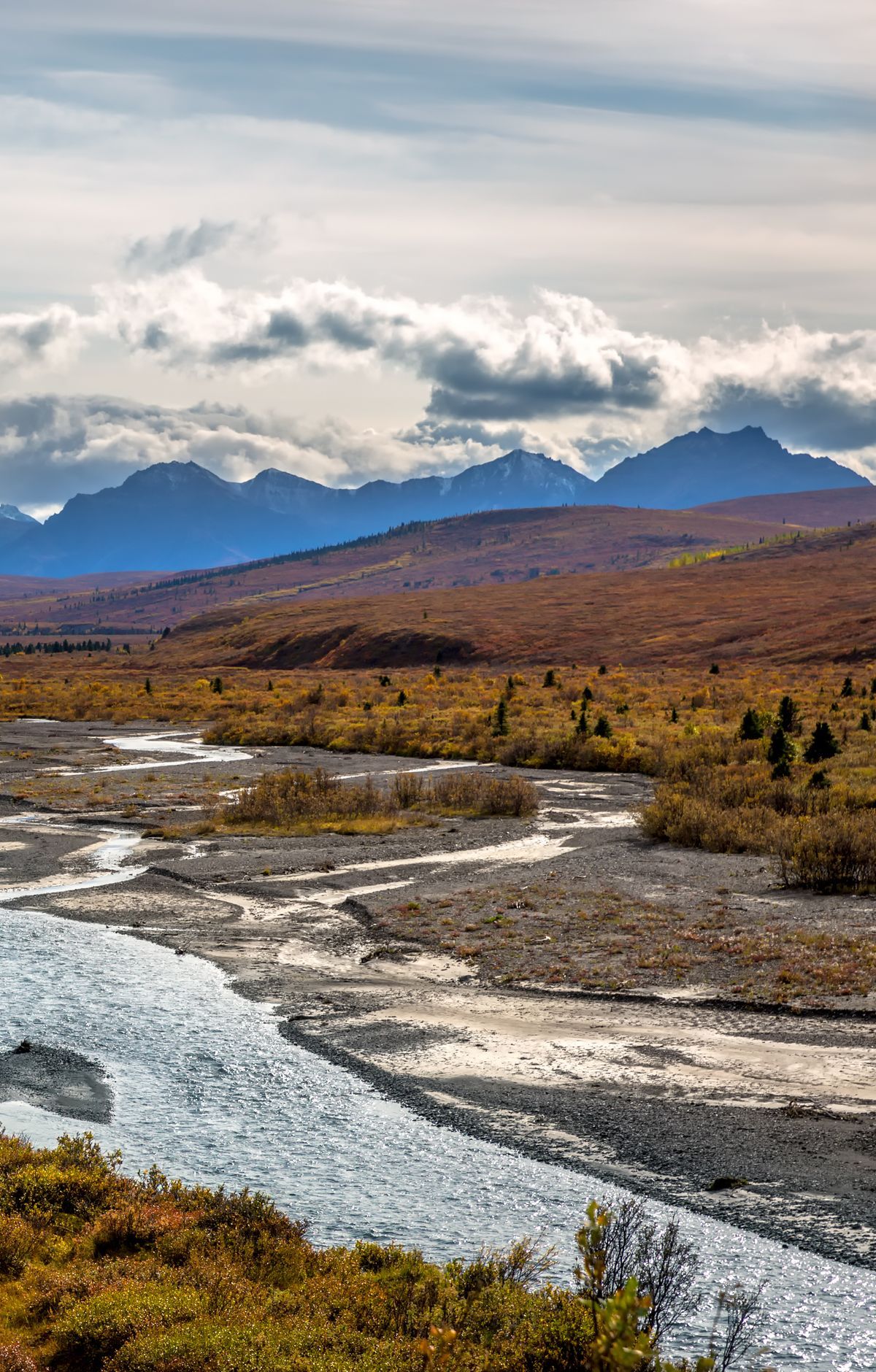
The landscape shifts with latitude. Stands of black and white spruce and poplar mark the boreal forest, which reaches to about 68 degrees north latitude. North of the spine of the Brooks Range, the land turns to tundra, carpeted with mosses and lichens and dotted with short willow shrubs. The tundra continues until it meets the Arctic Ocean.
Birders will find many species common to Alaska, including ptarmigan, grouse, loons, terns, and raptors. Counts over the past three decades have recorded about 145 species in the park and preserve. The park has no roads, trails, or developed facilities, so wildlife watchers need to be self-sufficient.
People have lived on this land for thousands of years. Today the Nunamiut and Athabascan peoples, along with some non-Native local residents, still live by subsistence. Visitors are asked to treat cabins, caches, traplines, and camp gear with care. Within the national park, hunting is limited to subsistence use by residents of nearby rural communities. Sport hunters are welcome in the national preserve, but anyone hunting or trapping there needs the necessary licenses and permits and must follow state regulations.