
Great Sand Dunes National Park & Preserve guides
11 in-depth guides to Great Sand Dunes National Park & Preserve, in reading order: what to see, how to get around, and what to know before you go. Back to the Great Sand Dunes National Park & Preserve overview.
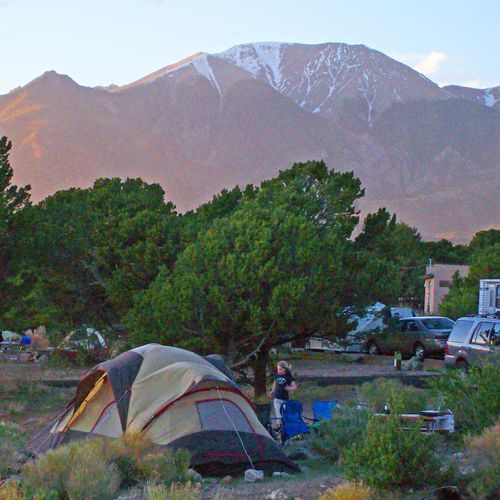
Four Paved Miles: Visitor Center to Piñon Flats
Four miles of paved road run from the park entrance to the main stops. From the entrance, you can reach the Visitor Center, the Dunes Parking Area and Picnic Area, the Mosca Pass Trailhead, and Piñon Flats Campground.
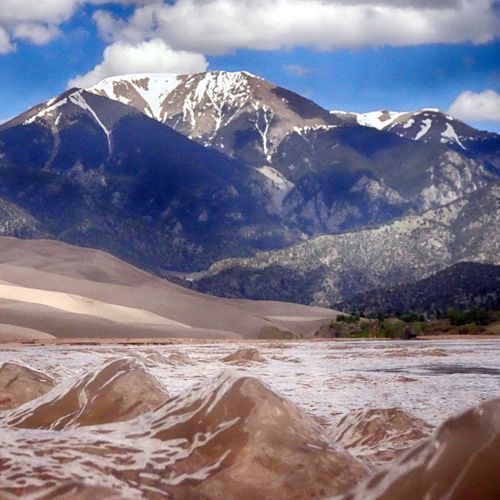
Medano Creek's Spring Surge and the Seasons
Medano Creek never settles into a permanent streambed, because fresh sand keeps falling into it.
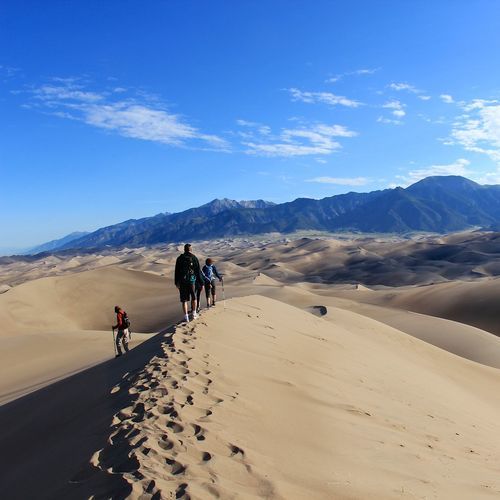
Wandering the Trail-less 30-Square-Mile Dunefield
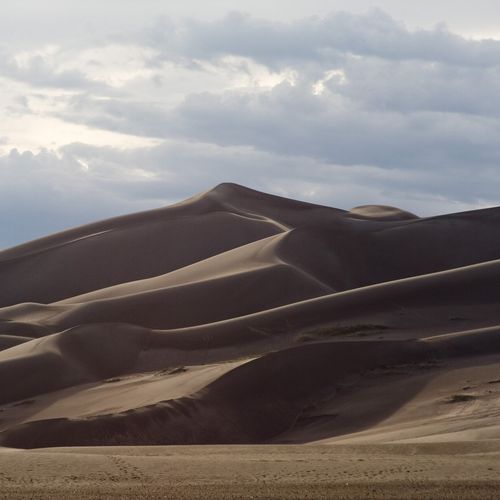
The dunefield covers 30 square miles and holds the tallest dunes in North America. With no trails across the sand, you can pick your own route anywhere you like.
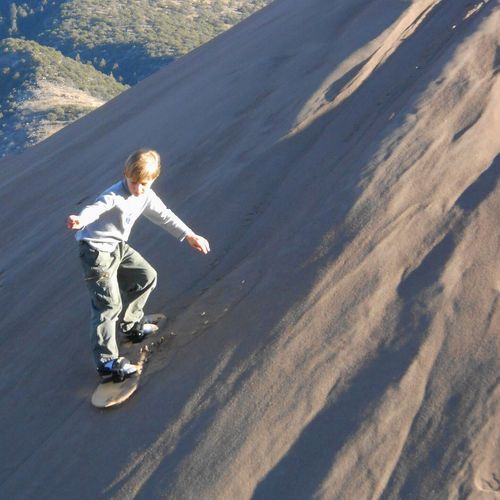
Sandboarding the Dunes: Oasis Rentals and Seasons
Sandboarding and sand sledding let you slide down the dunes, but ordinary gear won't cooperate.
Wellington Ditch, Sand Pit and Other Short Walks
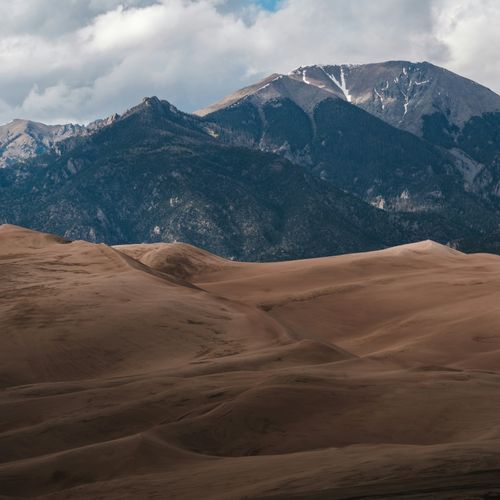
Spread across about 30 square miles, the dunefield holds the tallest dunes in North America.
Gold-Tier Dark Skies Over the Dunes
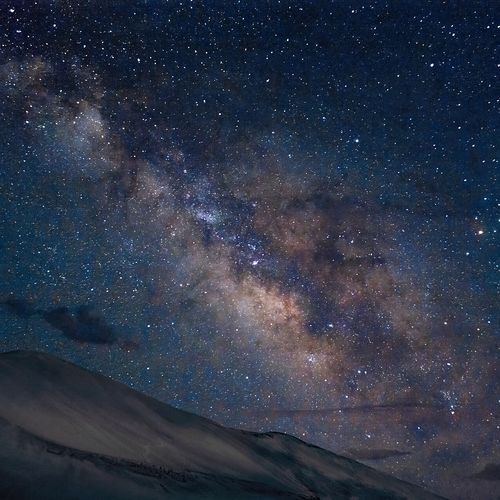
Great Sand Dunes National Park and Preserve earned certification as an International Dark Sky Park in 2019, and its night skies carry the gold-tier rating.
Driving Medano Pass Primitive Road by 4WD
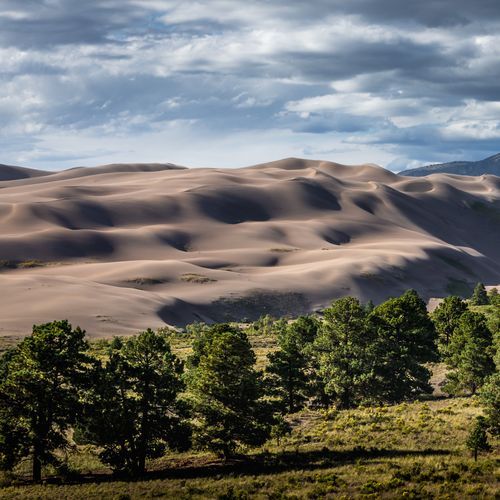
The Medano Pass Primitive Road is a rough route of about 22 miles linking the sand dunes with the Wet Mountain Valley and Colorado State Highway 69.
How Wind and Water Built These Dunes
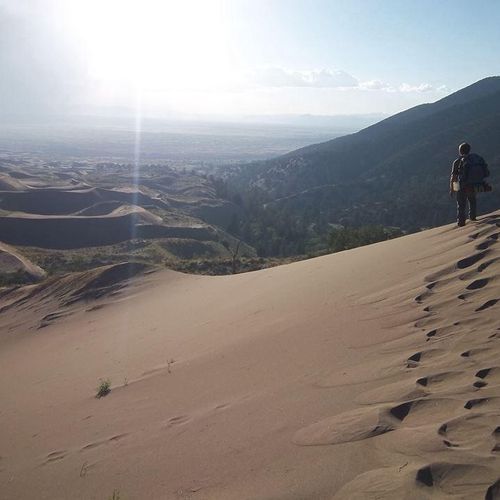
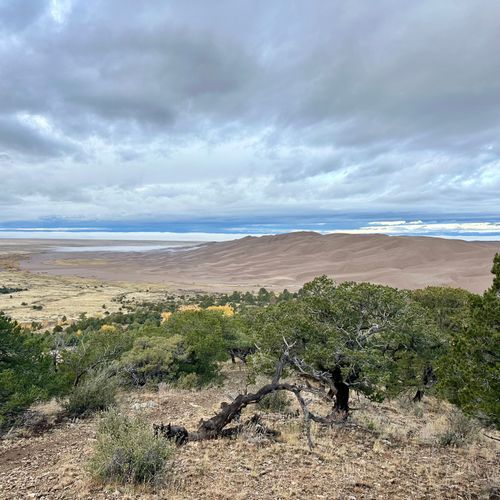
The dunefield holds the tallest dunes in North America, and Star Dune rises 750 feet from the floor of the San Luis Valley.
P.E.O. Sisterhood and the 1932 Dunes Monument
Before the dunes were protected, people in the nearby towns worried about what could happen to them.
Camping at Piñon Flats and on the Dunes
Piñon Flats Campground sits inside the park, close to the main parking area and Medano Creek.
From Dunes to Tundra in the Sangre de Cristos
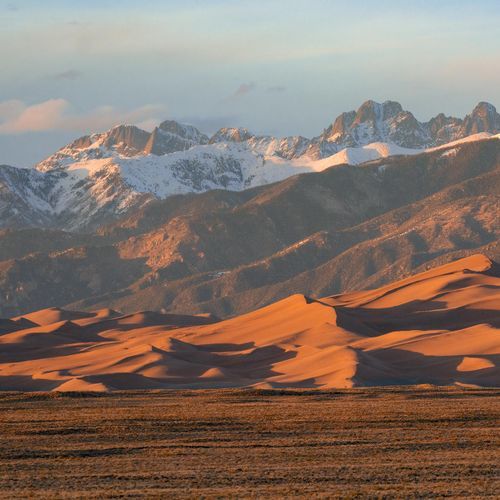
The tallest dunes in North America climb as high as 750 feet above the San Luis Valley floor, sitting at the foot of the Sangre de Cristo Range, part of the Rocky Mountains.
