Guadalupe Mountains National Park guide · 2 min read
Winter Winds and Monsoon Storms: When to Visit
The windy season runs from November through March, when winds often top 30 miles per hour and gusts commonly range from 50 to 80 miles per hour.
Spring can be windy too, and winds well over 100 miles per hour have happened then. That puts the park among the most wind-swept places in the United States.
Hiking in high winds takes care. Winds around 40 miles per hour make open trails challenging, and at 50 miles per hour, continuing is dangerous even for experienced hikers. Above 55 miles per hour, turn back right away. Strong gusts can throw off your balance and raise the risk of slips and falls, so be ready to turn around at any point. On the Guadalupe Peak hike, wind can make the trip miserable and even dangerous.
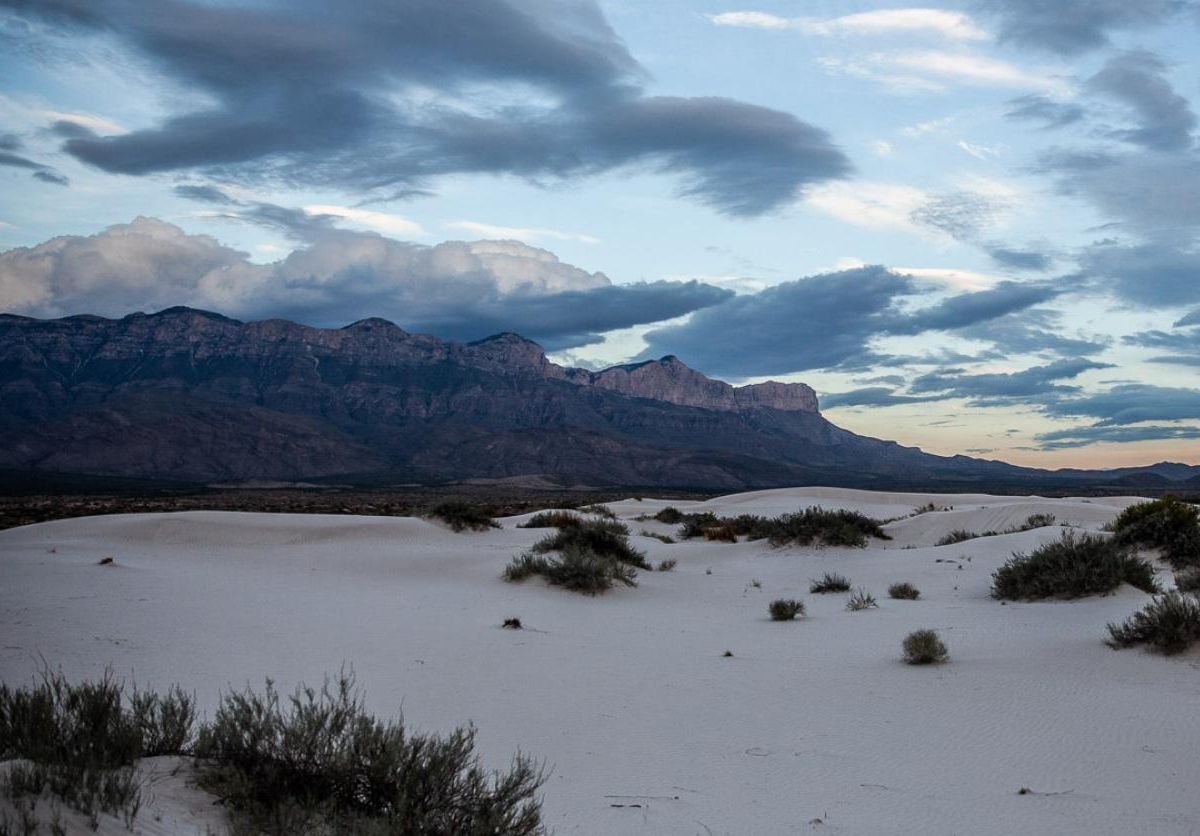
From May through September, the rainy season brings storms that can be intense in spots, and flash flooding is possible. Monsoon thunderstorms are common in late summer. June through August are the hottest months, and during a heat wave temperatures can reach 100 degrees. Rain in the afternoons and evenings often brings relief. The Salt Basin Dunes are best approached with heat in mind, since summer temperatures there can exceed 100 degrees, and heavy summer storms can affect the access road.
Winter is usually mild and sunny, though cloudy spells and freezing cold do come through. Higher elevations often see snow and ice, and freezing fog shows up in December and January. Snowfalls are usually light and rarely stick around longer than a day. Winter visitors should prepare for a wide range of conditions.
Spring and fall are the busiest seasons. Spring runs from March through May and fall from September through December, and on weekends and holidays, parking and developed camping can fill up. The park has no overflow campsites, so visitors without reservations should have backup lodging or camping plans outside the park.