Olympic National Park guide · 1 min read
Olympic's Seasons: Summer Trails to Winter Snow
Weather in Olympic National Park is variable and unpredictable in every season. Different conditions often exist in different parts of the park at the same moment.
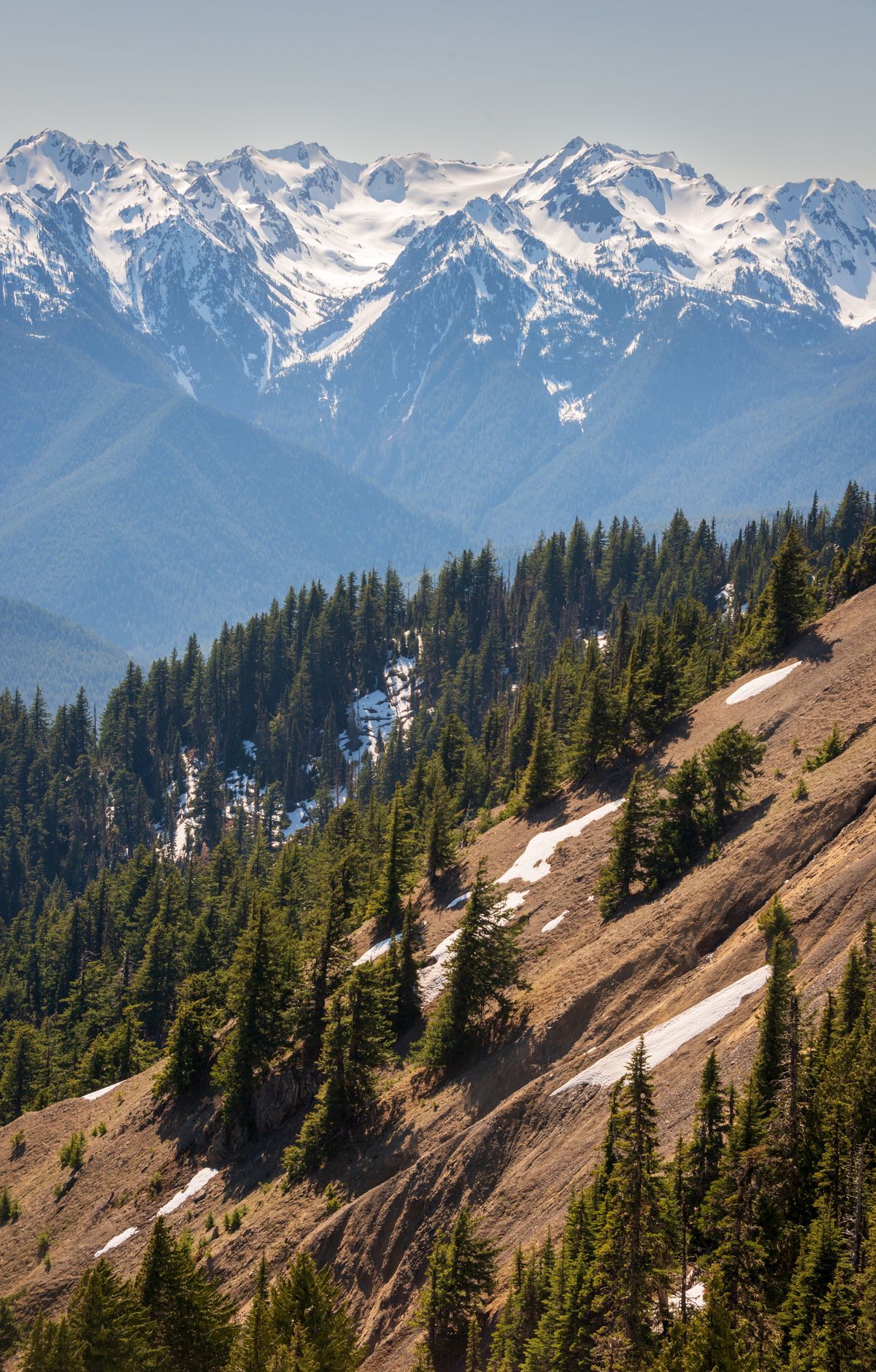
As Pacific storms meet the Olympic Mountains, they drop heavy rain, so the peninsula grows wetter from east to west, while nearby Sequim sits in the rain shadow with sunnier, drier days. Even in summer, temperatures can swing 10 to 20 degrees, especially along the coast and at higher elevations.
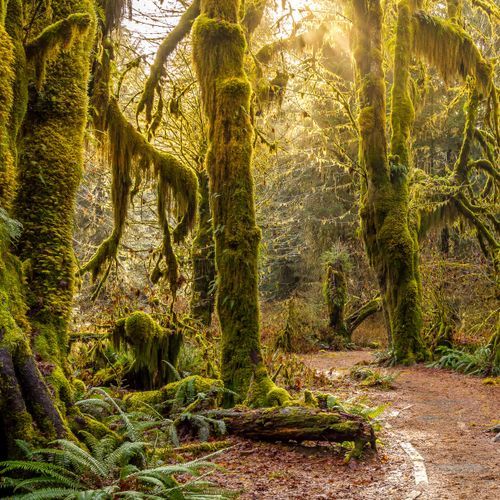
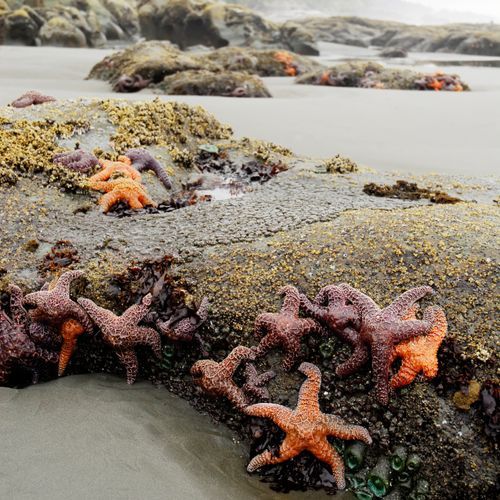
Summer brings the fairest weather, with highs typically between 65 and 75 degrees. July, August and September are the driest months, and sunny days are most likely in July and August. The Klahhane Trail climbs toward Mount Angeles, and other trails to explore include Marymere Falls, Mount Storm King, Sol Duc Falls and the Hall of Mosses. The beaches are also at their best now.
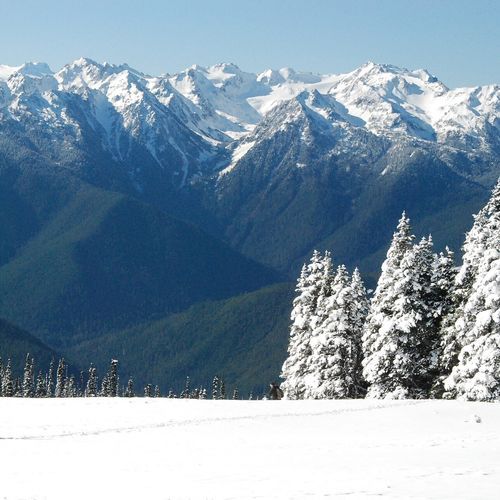
In winter, the mountains can collect up to 10 feet of snow, while lower elevations stay mild and rarely see snow that lasts. Hurricane Ridge becomes the center of snow play, with trails for cross-country skiing and snowshoeing among glacier-capped peaks. There is also an area there for downhill skiing, snowboarding and tubing. Be ready for rain and snow, because a sunny morning can turn into hurricane force winds and blizzard conditions.
From late fall through early summer, many parts of the park are prone to avalanches, and some are too dangerous even for experienced winter travelers. If you plan to head into the snowy backcountry, learn about avalanches and rescue from the Northwest Avalanche Center before you go.
The coast offers its own winter drama. The Hoh Rain Forest turns a deep green during its rainiest season, and on the beaches you can watch storms roll in off the Pacific. Expect stormy weather and unpredictable waves.