
Olympic National Park guides
12 in-depth guides to Olympic National Park, in reading order: what to see, how to get around, and what to know before you go. Back to the Olympic National Park overview.
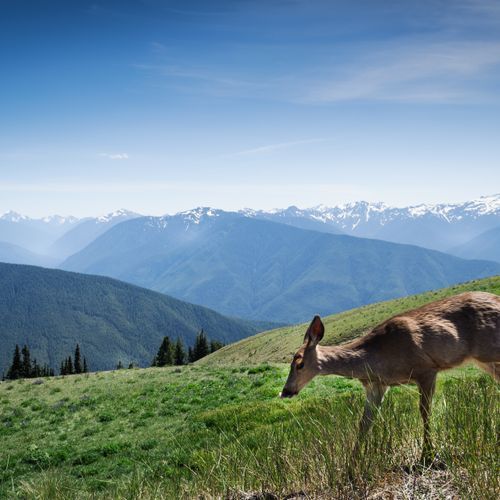
Driving the Peninsula Loop Between Park Regions
Olympic's regions are not linked by a single road. The Olympic Mountains fill the middle of the peninsula, so moving from one area to another means driving around them on Highway 101.
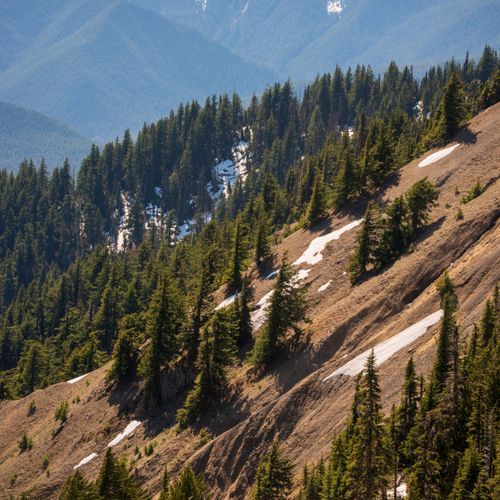
Olympic's Seasons: Summer Trails to Winter Snow
Weather in Olympic National Park is variable and unpredictable in every season. Different conditions often exist in different parts of the park at the same moment.
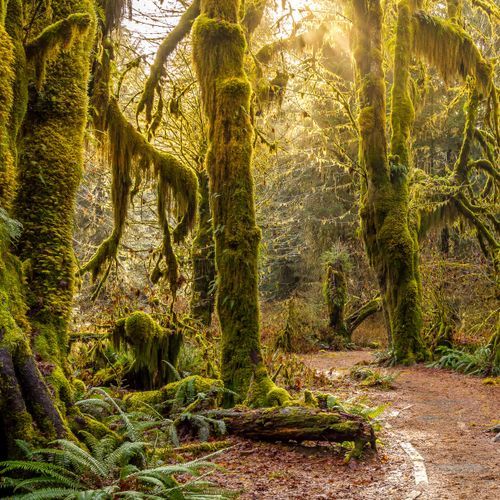
Hall of Mosses and the Hoh Rain Forest
The Hall of Mosses Trail is the walk most visitors come to the Hoh Rain Forest to take. This flat 0.8-mile loop passes through a grove of old big-leaf maples hung with heavy curtains of moss, while ferns cover the ground and Sitka spruce rise far above.
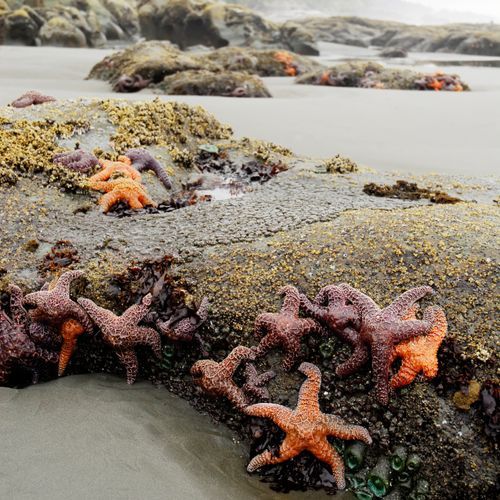
73 Miles of Wild Coast and Tidepools
Olympic National Park protects 65 miles of wild Pacific shoreline, one of the longest undeveloped coasts in the lower 48 states.
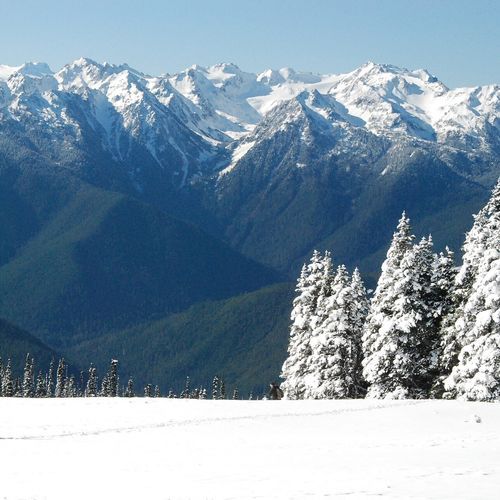
Winter Snow Play at Hurricane Ridge
Hurricane Ridge sits at 5,242 feet, high enough to stay buried in snow for much of the winter.
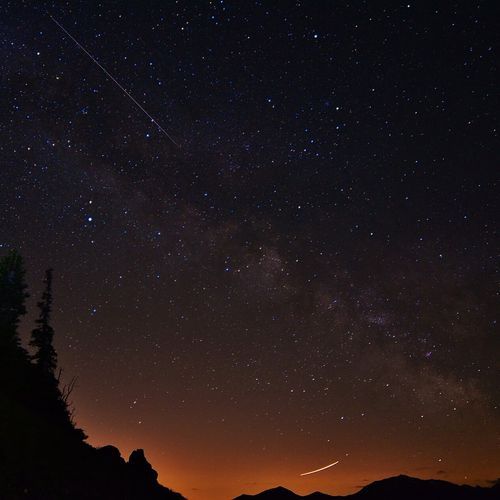
Stargazing in Olympic's Wilderness Dark Skies
Few places in the lower 48 states protect as much wild land as Olympic National Park, where more than 95 percent of the park carries a wilderness designation.
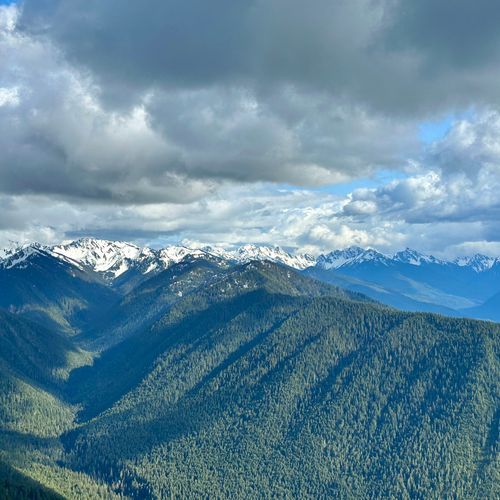
How Colliding Plates Shaped Olympic's Landscape
The geology of the Olympic Mountains begins on the ocean floor. Roughly 50 million years ago, undersea eruptions along the edge of the continent stacked up basalt in layers miles thick.
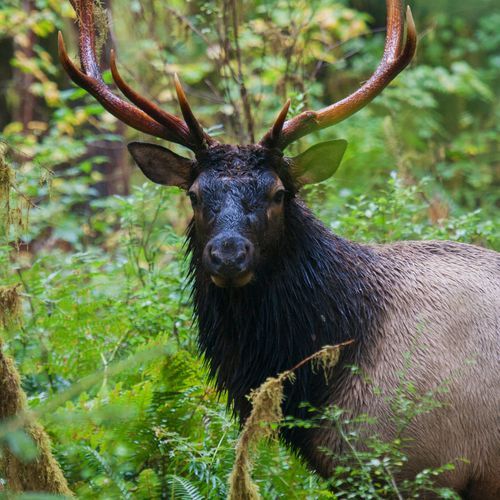
Roosevelt Elk and the Park's 1938 Founding
Olympic National Park was set aside in 1938 to protect three things: Roosevelt elk, primeval forest and a wild coast.
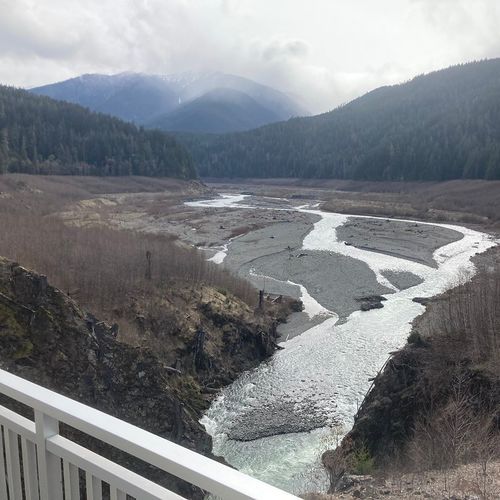
Elwha River: Largest Dam Removal in U.S. History
The Klallam people depended for millennia on fish that the Elwha River watershed sustained.
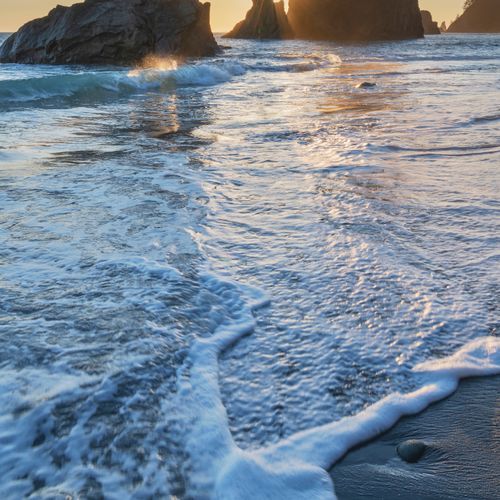
Eight Tribes of Olympic, from Hoh to Klallam
Eight American Indian tribes call the Olympic Peninsula home. Long before any road crossed this land, they built complex hunter-gatherer societies.
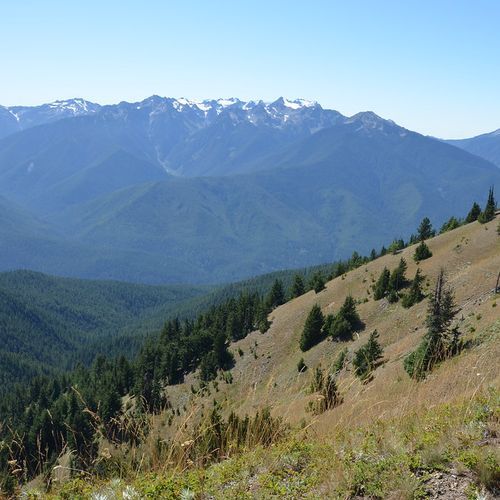
Exploring Hurricane Ridge
From the top of Hurricane Ridge, snow-capped peaks of the Olympic Mountains fill the horizon, with forested valleys below and Mount Olympus in view.
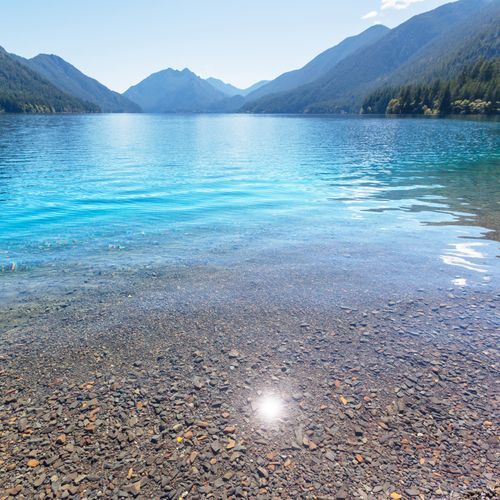
Lake Crescent and Marymere Falls
Lake Crescent sits in the northern foothills of the Olympic Mountains, about 18 miles west of Port Angeles along Highway 101.
