Olympic National Park guide · 2 min read
Stargazing in Olympic's Wilderness Dark Skies
Few places in the lower 48 states protect as much wild land as Olympic National Park, where more than 95 percent of the park carries a wilderness designation.
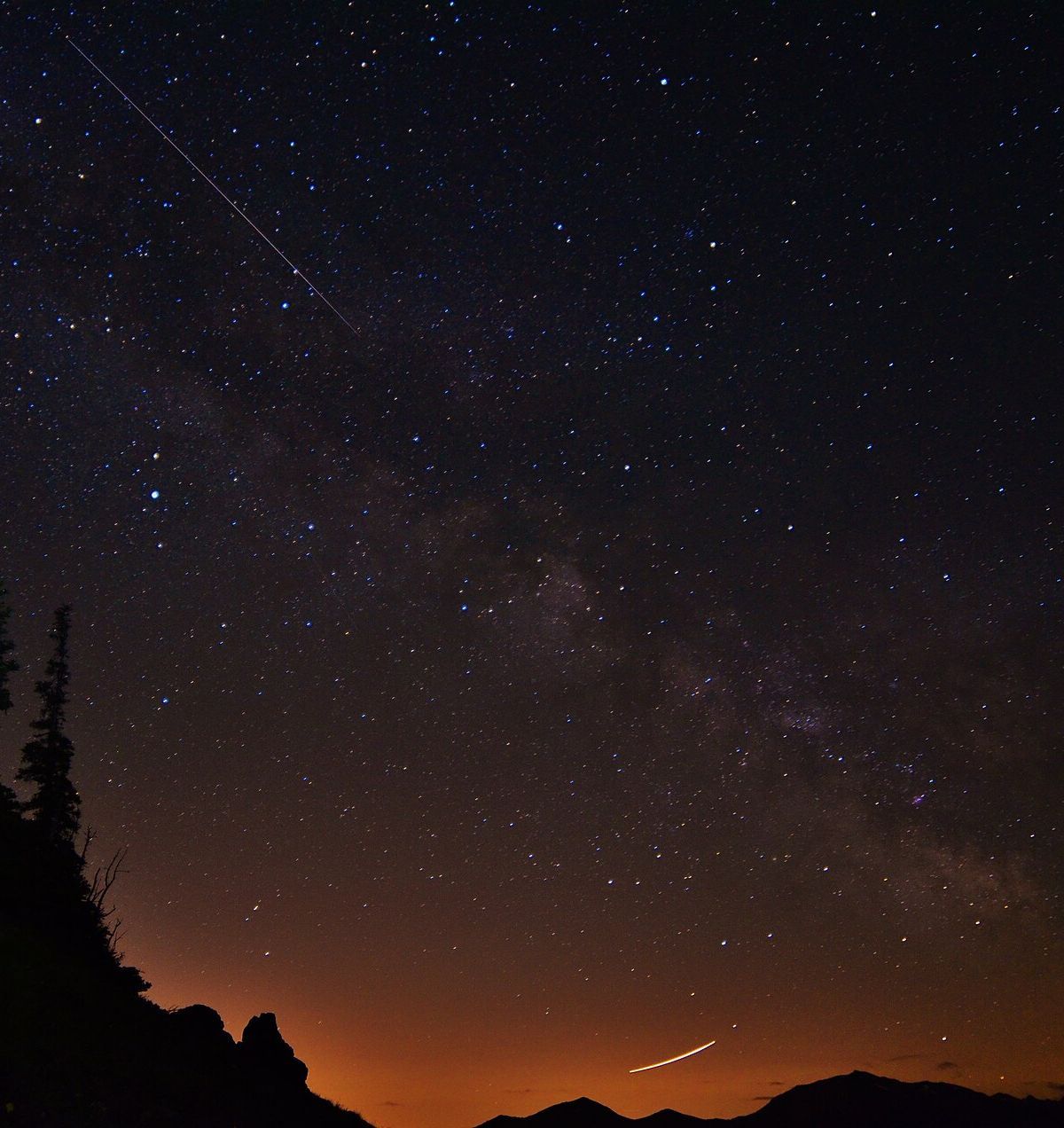
Across that huge area, human-made light is absent, so true natural darkness settles over the park each night. The natural lightscape of stars, planets and the Milky Way shapes the night here, not streetlights or city glow.
On the Olympic Peninsula, rain can feel like a constant companion for much of the year. Summer changes that, bringing warmer and drier weather and your best odds of a clear sky overhead. It is also the season when rangers offer night sky programs in the park.
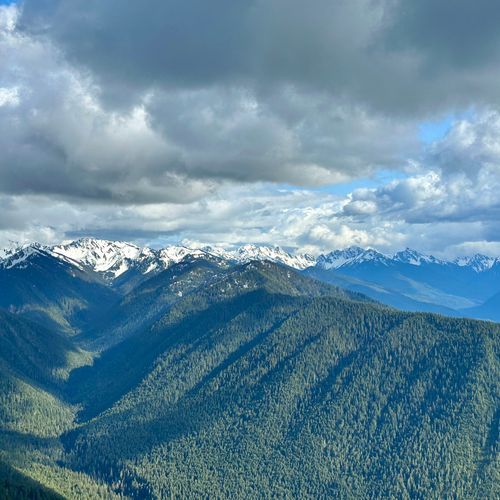
At the Hurricane Ridge Astronomy Program, a Master Observer leads visitors through an evening of astronomy about a mile above sea level. Telescopes are set up for close views of planets, nebulae, galaxies and constellations. When the sky is clear, thousands of stars come out, and the Milky Way is visible from this high perch.
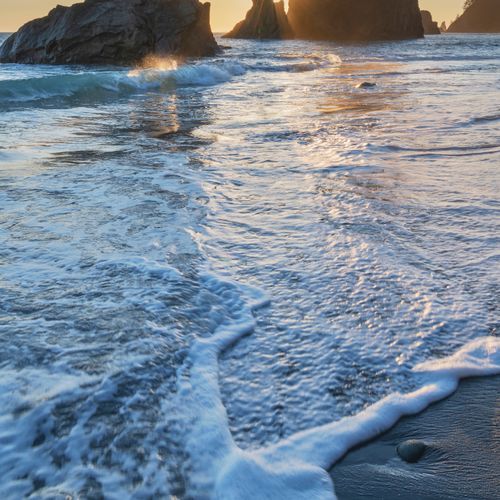
You don't need a program to enjoy the dark. Pick a mountain peak, a stretch of the park's 65 miles of wild coastline, or your own campsite, and take your time watching the sky. On clear nights, stars fill the sky above Ruby Beach. With 14 campgrounds in the park, a dark sky is often just a few steps from your tent.
To spend your nights deep in that wilderness, head into the backcountry. More than 600 miles of trails lead into Olympic's wilderness, from short day hikes to overnight backpacking trips along the coast and into the mountains. Overnight trips require a wilderness camping permit, available from the Wilderness Information Center at the Olympic National Park Visitor Center in Port Angeles, where staff can also help with trip planning and food storage rules.