Rocky Mountain National Park guide · 2 min read
Climbing Longs Peak and the Keyhole Country
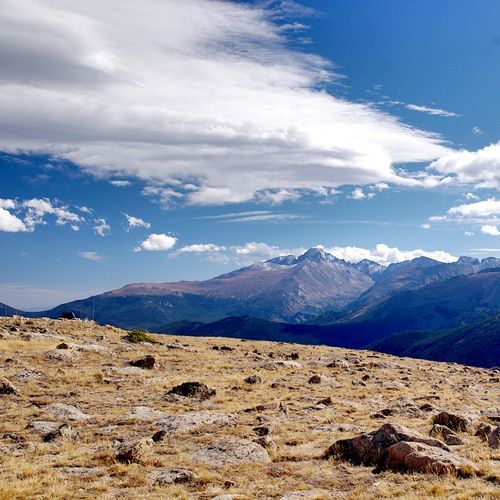
At 14,259 feet, Longs Peak rises above every other summit in Rocky Mountain National Park and is the only fourteener inside its boundaries.
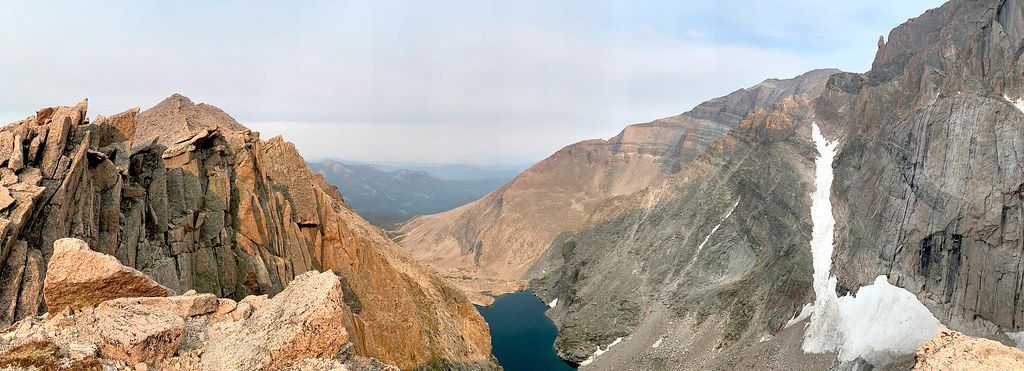
The flat-topped peak shows up from nearly every corner of the park. Each summer, when conditions allow, thousands of people make their way to the top by the Keyhole Route.
The Keyhole Route is a climb, not a hike. It crosses huge, sheer rock faces where rocks often fall, and it calls for scrambling across loose rock, narrow ledges and steep cliffs. An unroped fall in these sections would likely be fatal, and more than 60 people have died trying to reach the summit. The round trip covers 15 miles, gains over 5,000 feet, and usually takes 10 to 15 hours.
That long day is why climbers set out from the trailhead before sunrise. Much of the route sits above tree line, and in June, July and August, afternoon thunderstorms and lightning build quickly, sometimes even early in the day. At this elevation, storms can bring snow, sleet and hail. Plan to be back below the trees before they arrive, and be ready to turn around when the weather shifts.
Thin air is its own hazard. Altitude sickness happens when your body cannot get enough oxygen, and being fit does not protect you. Watch yourself and your group for a dull or throbbing headache, nausea, vomiting, loss of appetite, weakness or dizziness. Spending a few days on lower trails such as Bear Lake, Emerald Lake, Gem Lake or Deer Mountain helps your body adjust.
Longs Peak sits in winter conditions much of the year, so climbing it then demands winter mountaineering experience and specialized gear. Winter-like weather can hit the Keyhole Route in any month. Longs Peak Campground, set along the paved road to the trailhead, offers tent pads, picnic tables and vault toilets.