Wildlife · Bird · Chiricahua National Park
Bridled Titmouse in Chiricahua National Park
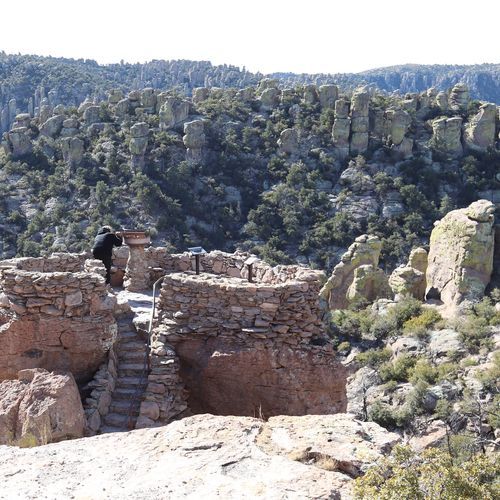
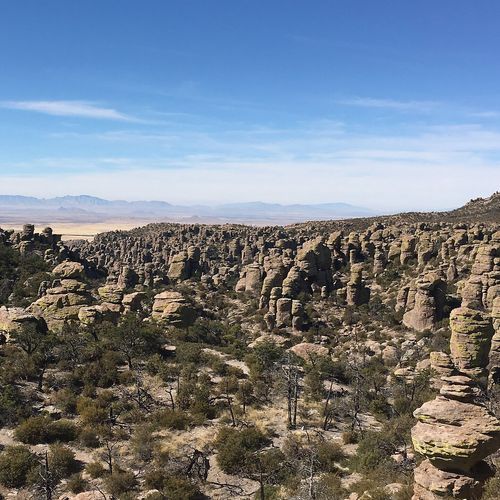
In Chiricahua National Park, the Bridled Titmouse is recorded most often in Massai Point & Echo Canyon.
Where can you see Bridled Titmouse in Chiricahua National Park?
Massai Point & Echo Canyon · about 0.2 mi away · 5 recorded sightings · Open in Maps
A viewing spot is a place where visitors have photographed and reported the animal many times. Wild animals move: a spot raises your chances, it doesn't promise a sighting. Keep the distance the park asks for.
Key facts
- Type
- Bird
- Scientific name
- Baeolophus wollweberi
- Mapped viewing spots
- 1
About the Bridled Titmouse
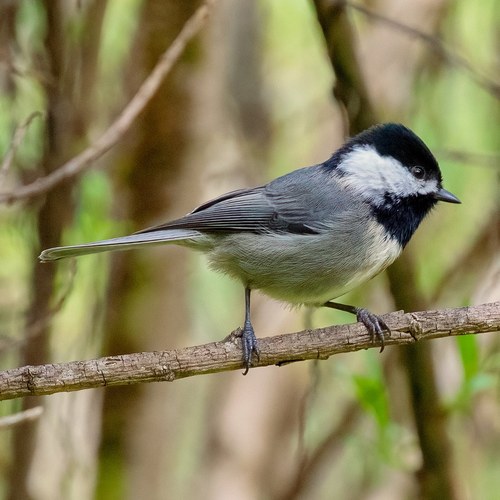
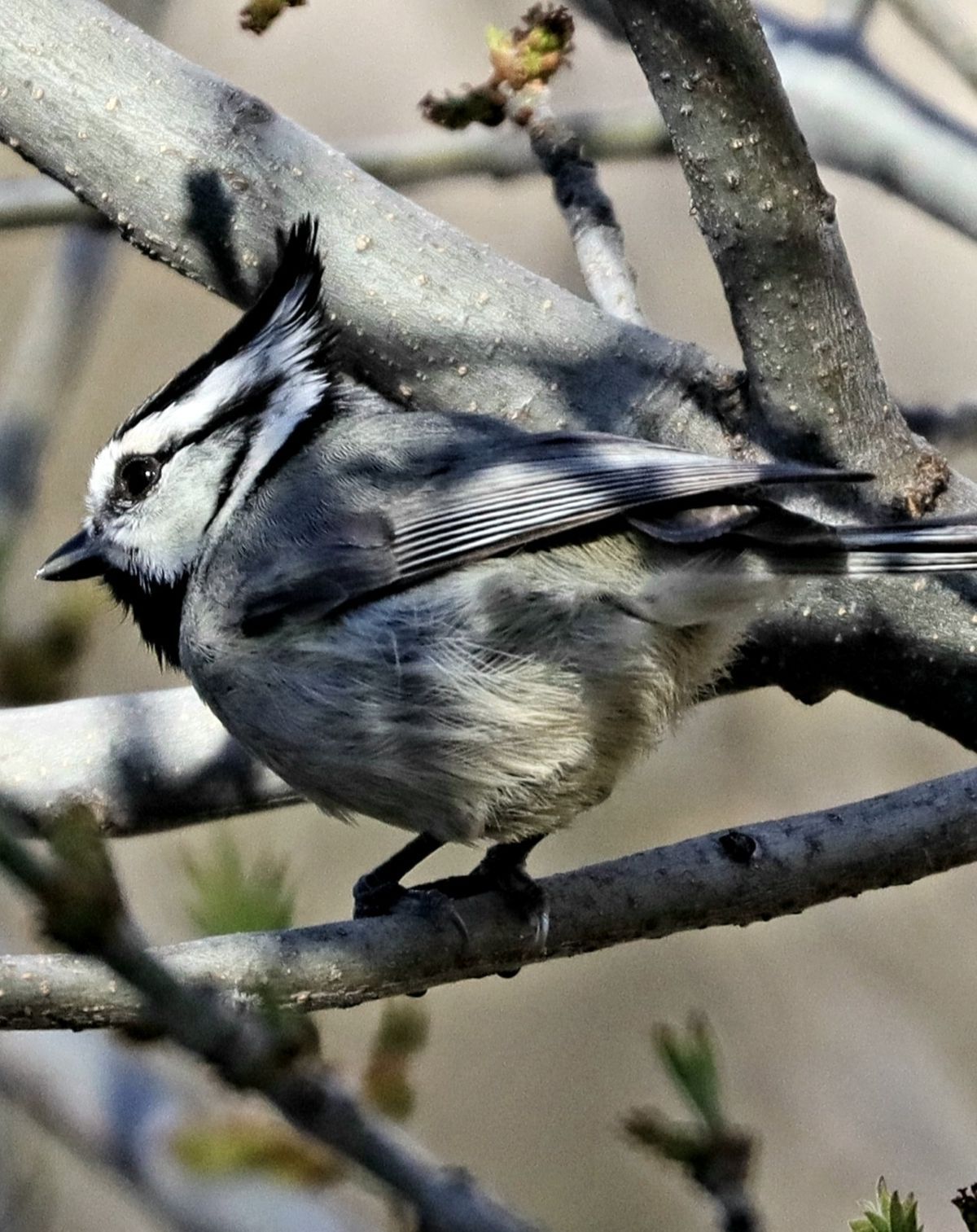
With its bold black-and-white face, the bridled titmouse is one of the most striking small birds of the Southwest. Measuring just 4.5 to 5 inches long and weighing about as much as two nickels, it wears soft gray plumage above and pale gray-white below. Its standout feature is the "bridle," a crisp black line that runs through each eye and curves down around a white cheek, framed by a black throat patch. A jaunty gray crest edged in black tops off the look. Males and females look alike, so pairs are hard to tell apart.
This lively titmouse lives in oak and oak-juniper woodlands, pine-oak forests, and leafy streamside groves in the mountains of southeastern Arizona, southwestern New Mexico, and much of Mexico. It forages acrobatically among branches and leaves, often hanging upside down to pluck caterpillars, insects, and spiders. It also eats seeds and acorns. Highly social, bridled titmice travel in chattering family groups and often lead mixed flocks of warblers, nuthatches, and other small birds through the trees, especially outside the breeding season. They nest in natural tree cavities or old woodpecker holes and line them with soft materials such as fur and plant down.
The bridled titmouse is common and considered a species of least concern, making it a rewarding find for visitors to the sky island mountains of southern Arizona. Look for it in places like Chiricahua National Park, Coronado National Memorial, and the forested slopes of Saguaro National Park. Listen for its rapid, high-pitched chatter, which sounds a bit like a chickadee's call, and scan the oaks for a flash of that unmistakable masked face.