Wildlife · Mammal · Chiricahua National Park
Coues's White-tailed Deer in Chiricahua National Park
In Chiricahua National Park, Coues's White-tailed Deer is recorded most often in Faraway Ranch, Heart of Rocks & Backcountry and Bonita Canyon & Visitor Center. Most sightings are recorded from July through September, with the most in September.
Where can you see Coues's White-tailed Deer in Chiricahua National Park?
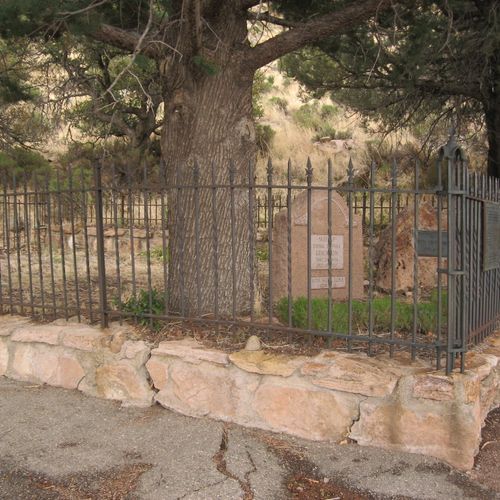
Near Erickson Cemetery
Faraway Ranch · about 0.2 mi away · 31 recorded sightings · Open in Maps
Faraway Ranch · 14 recorded sightings · Open in Maps
Faraway Ranch · 12 recorded sightings · Open in Maps
Faraway Ranch · 7 recorded sightings · Open in Maps
Near Erickson Cemetery
Faraway Ranch · about 0.4 mi away · 6 recorded sightings · Open in Maps
Bonita Canyon & Visitor Center
About Bonita Canyon & Visitor Center · 6 recorded sightings · Open in Maps
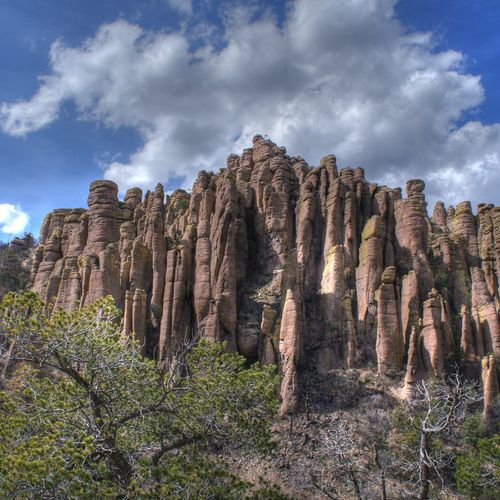
Massai Point & Echo Canyon · about 0.2 mi away · 5 recorded sightings · Open in Maps
Bonita Canyon & Visitor Center
About Bonita Canyon & Visitor Center · 4 recorded sightings · Open in Maps
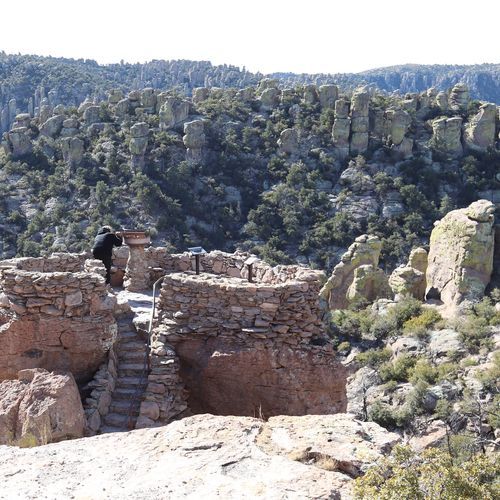
Heart of Rocks & Backcountry
About Heart of Rocks & Backcountry · 3 recorded sightings · Open in Maps
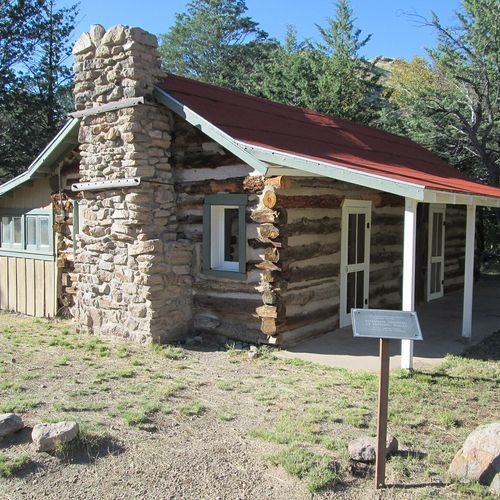
Near Faraway Ranch House
Faraway Ranch · about 0.2 mi away · 3 recorded sightings · Open in Maps
The 10 spots with the most sightings, of 13 on the map.
A viewing spot is a place where visitors have photographed and reported the animal many times. Wild animals move: a spot raises your chances, it doesn't promise a sighting. Keep the distance the park asks for.
When is the best time to see Coues's White-tailed Deer in Chiricahua National Park?
Most sightings are recorded from July through September, with the most in September.
- January: 2 sightings
- February: 1 sighting
- March: 0 sightings
- April: 4 sightings
- May: 1 sighting
- June: 1 sighting
- July: 3 sightings
- August: 5 sightings
- September: 10 sightings
- October: 1 sighting
- November: 7 sightings
- December: 1 sighting
Recorded sightings in Chiricahua National Park by month, 36 in all. The count follows visitors as well as animals: a quiet month can mean few people were there to report.
Key facts
- Type
- Mammal
- Scientific name
- Odocoileus virginianus couesi
- Mapped viewing spots
- 13
- Most sightings
- July through September
- Recorded sightings
- 36
About the Coues's White-tailed Deer
Coues’s white-tailed deer is a compact, graceful deer with a tawny-brown coat, pale underparts and the signature white underside and tail that it snaps up like a flag when alarmed. Males grow branching antlers each year; both sexes have large, sensitive ears and dark, alert eyes. Smaller and more finely built than many northern white‑tails, Coues’s deer often appear almost dog-sized at a distance, slipping quietly through brush with a light, bounding gait.
You’ll find Coues’s deer in dry woodlands, desert scrub and along riparian corridors where shade and water concentrate food. They browse leaves, twigs, grasses and seasonal fruits, and they time much of their activity to dawn and dusk to avoid daytime heat. Females often hide fawns in dense cover and return to nurse, while bucks range more widely and display antlers during the fall rut. Watch for their characteristic tail-flag and sudden, bounding escape—behavior that helps them evade predators and blend into patchy terrain.
In many parks Coues’s deer appear common, but they depend on healthy water sources and intact brushy cover. Human food harms them, and vehicle collisions and habitat loss pose local threats, so observe from a distance, keep pets leashed, and never feed wildlife. Spotting these nimble deer near a watercourse or at first light offers a memorable glimpse of desert-adapted wildlife and a good reminder to respect the wild spaces they need.