Wildlife · Bird · Chiricahua National Park
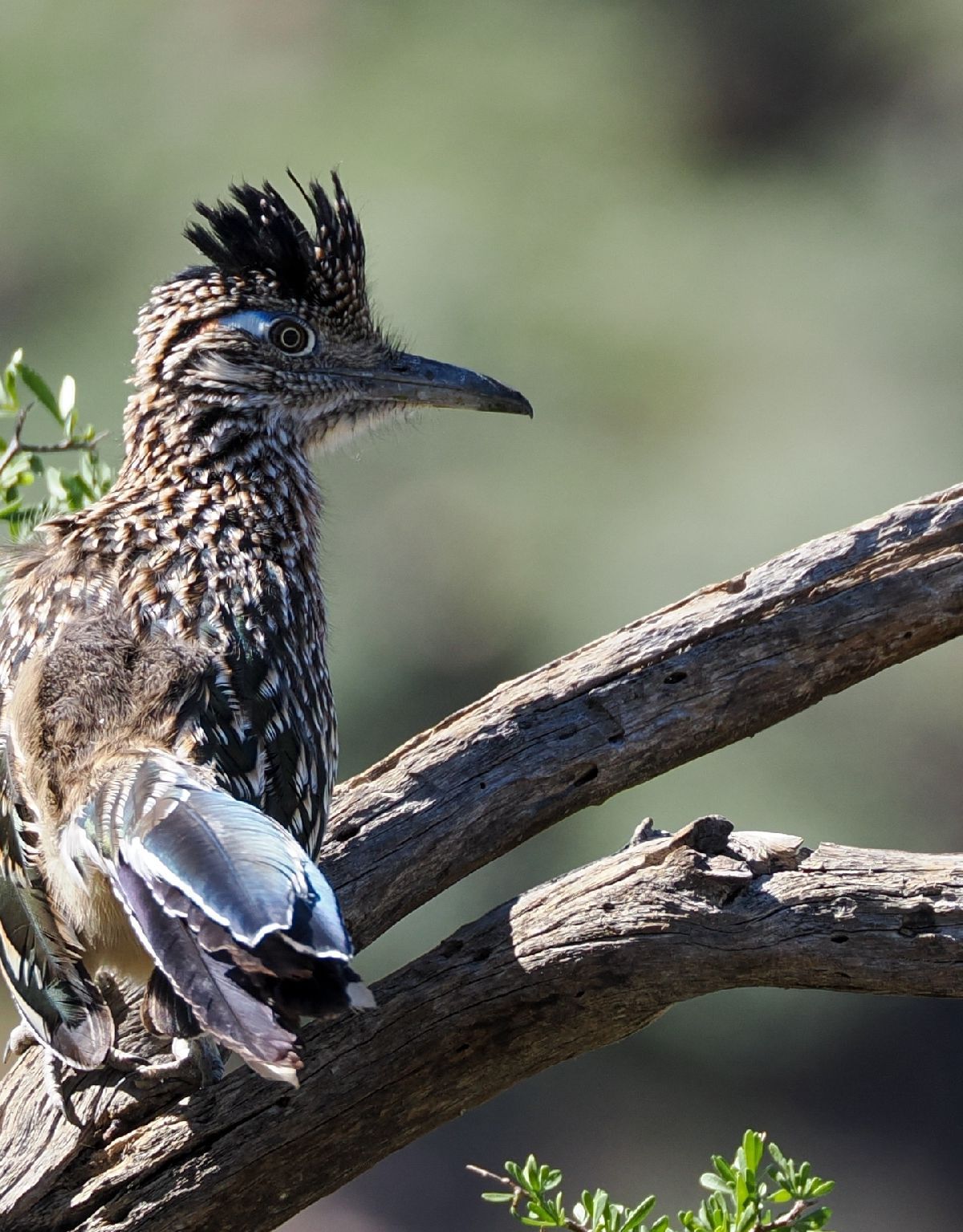
Greater Roadrunner in Chiricahua National Park
In Chiricahua National Park, the Greater Roadrunner is recorded most often in Faraway Ranch.
Where can you see Greater Roadrunner in Chiricahua National Park?
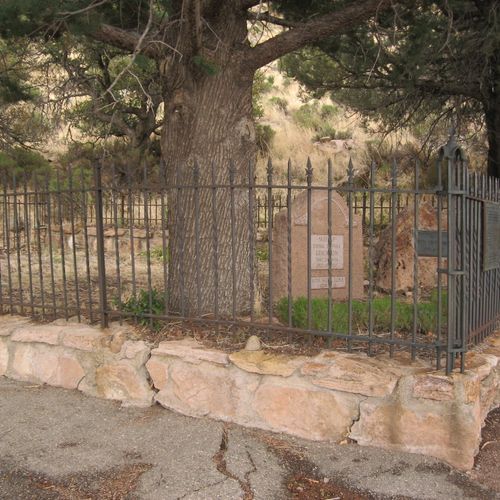
Near Erickson Cemetery
Faraway Ranch · about 0.8 mi away · 4 recorded sightings · Open in Maps
A viewing spot is a place where visitors have photographed and reported the animal many times. Wild animals move: a spot raises your chances, it doesn't promise a sighting. Keep the distance the park asks for.
Key facts
- Type
- Bird
- Scientific name
- Geococcyx californianus
- Mapped viewing spots
- 1
About the Greater Roadrunner
The greater roadrunner is a striking, long-legged bird with a shaggy crest and a long, graduated tail that often tilts upward as it moves. Measuring roughly 20–24 inches (50–61 cm) from beak to tail, it shows mottled brown, black and white plumage that blends with desert brush. Its strong legs and long toes give it a slightly forward-leaning, ground-hugging posture; you’ll notice quick, purposeful strides more often than flight. A subtle streaked pattern, a blue patch of skin behind the eye, and the crest that rises when excited make it unmistakable.
You’ll find roadrunners in dry, open habitats—desert scrub, chaparral, and rocky canyons across the Southwest—where they hunt mostly on the ground. They eat insects, lizards, small mammals, birds, eggs and occasionally snakes, and they use speed and stealth to chase or ambush prey. Roadrunners run with surprising speed (up to about 20 mph), hop onto low perches to scan for food, and use short bursts of flight to reach shrubs or to display. They often appear alone or in pairs, and visitors may spot them darting along fence lines or sunning on a rock.
Roadrunners remain common across much of their range and adapt well to open, human-altered landscapes, but they are wild animals—please observe from a distance and never feed them. For park visitors, watching a roadrunner pause, cock its crest, and sprint after a lizard is one of the most memorable glimpses of desert life.