Wildlife · Bird · Chiricahua National Park
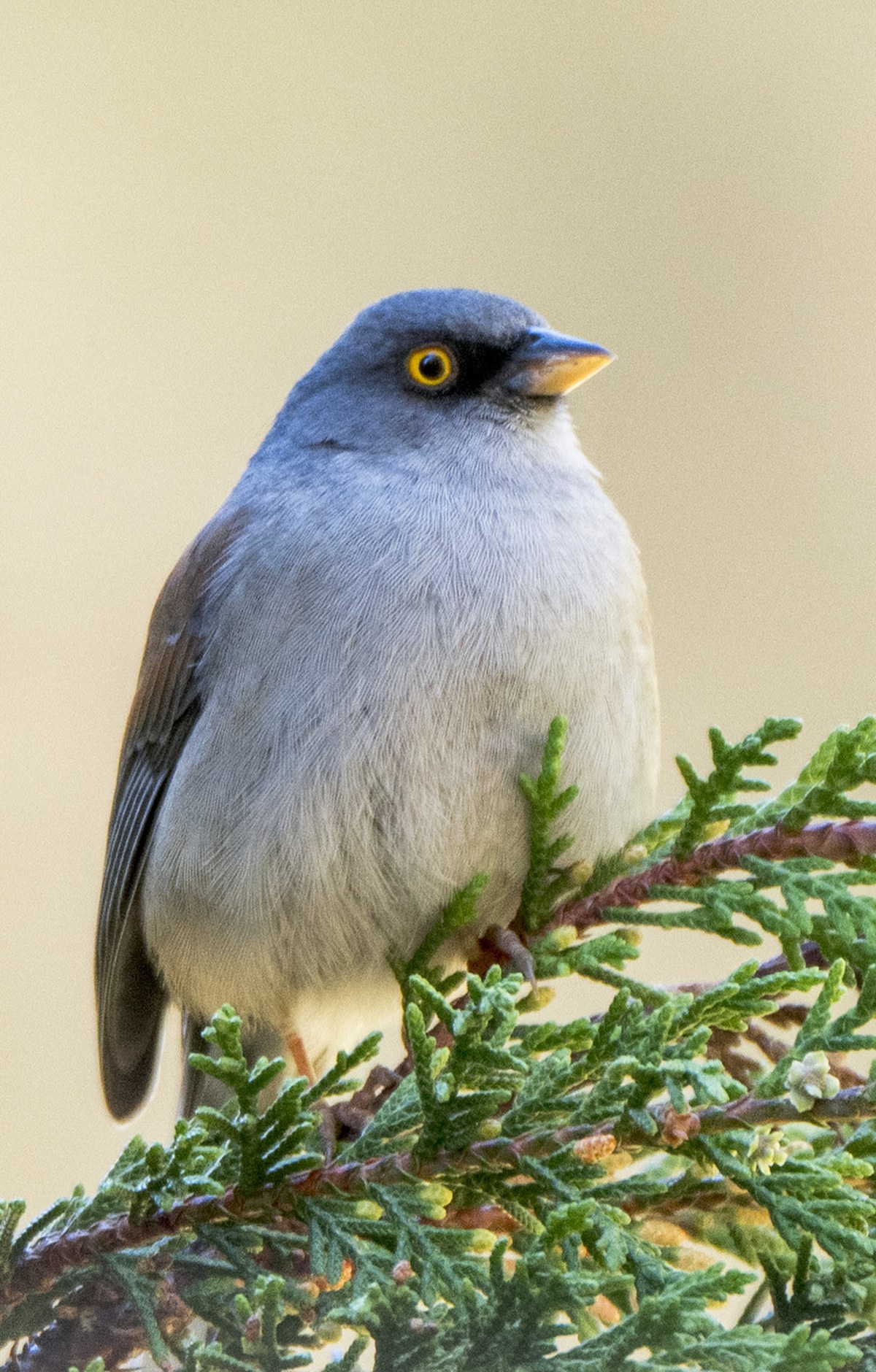
Yellow-eyed Junco in Chiricahua National Park
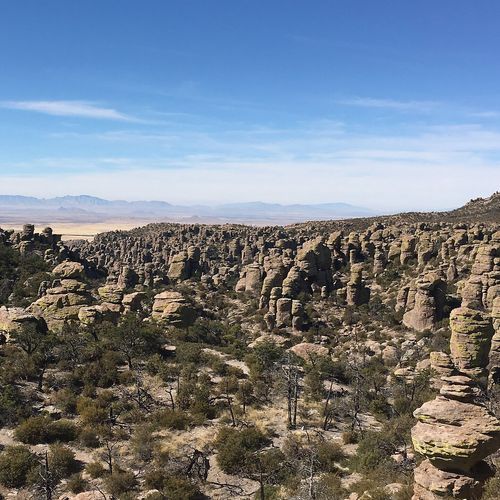
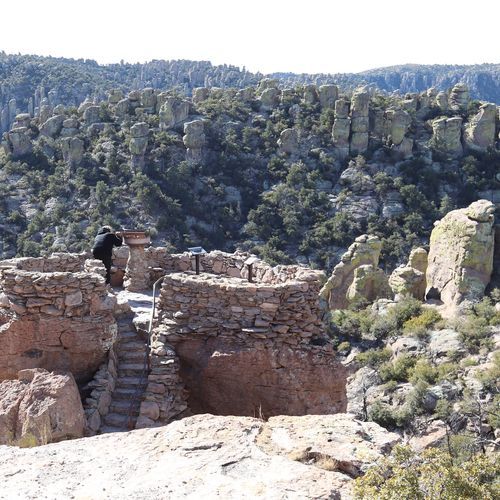
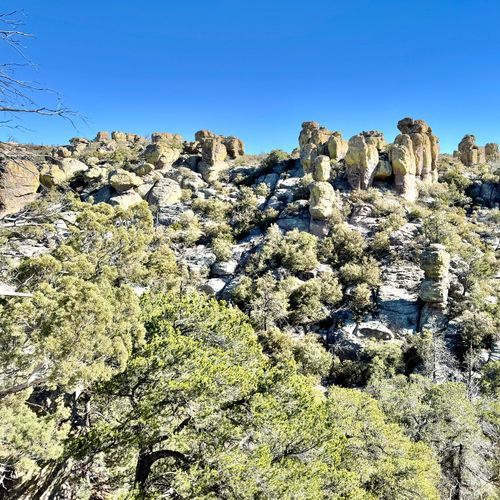
In Chiricahua National Park, the Yellow-eyed Junco is recorded most often in Massai Point & Echo Canyon.
Where can you see Yellow-eyed Junco in Chiricahua National Park?
Massai Point & Echo Canyon · 5 recorded sightings · Open in Maps
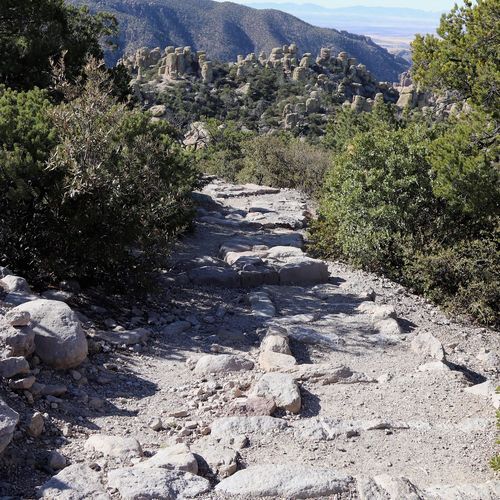
Near Inspiration Point
Massai Point & Echo Canyon · about 0.2 mi away · 3 recorded sightings · Open in Maps
A viewing spot is a place where visitors have photographed and reported the animal many times. Wild animals move: a spot raises your chances, it doesn't promise a sighting. Keep the distance the park asks for.
Key facts
- Type
- Bird
- Scientific name
- Junco phaeonotus
- Mapped viewing spots
- 2
About the Yellow-eyed Junco
The Yellow-eyed Junco is a small sparrow about 6 inches long, and its most striking feature is its bright yellow-orange eye. Black feathers between the eye and bill create a mask-like effect that gives the bird an intense, almost fierce expression. It has a soft gray head and underparts, a rich rusty-brown back, and a two-toned bill that is dark above and yellow below. When it flies, white outer tail feathers flash, a trait it shares with other juncos.
This junco lives in mountain pine-oak and conifer forests from southeastern Arizona and southwestern New Mexico south through Mexico to Guatemala. In the United States, look for it in the high "sky island" ranges of southern Arizona, including Chiricahua National Park and Coronado National Memorial. It forages mostly on the ground, eating seeds year-round and adding insects and other invertebrates in the breeding season. Unlike most juncos, which hop, the Yellow-eyed Junco often walks with a distinctive shuffling gait as it searches leaf litter and trailsides. It nests on or near the ground, tucking its cup-shaped nest under grass, rocks, or fallen logs. Its song is a varied, musical series of trills and chips.
The Yellow-eyed Junco is listed as a species of Least Concern and remains common in suitable habitat. It is a year-round resident, though some birds move to lower elevations in harsh winters. Park visitors often find it surprisingly approachable, especially around picnic areas and campgrounds where it boldly picks up crumbs. Because it is so rare elsewhere in the United States, this bird is a prized sighting for birders exploring the mountains of the Southwest.