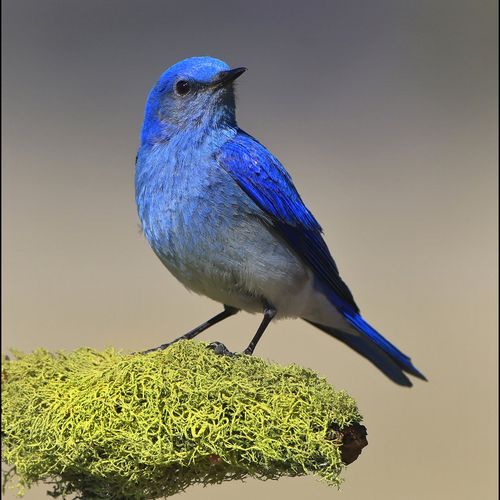
Wildlife · Bird · Yosemite National Park
Western Bluebird in Yosemite National Park
The Western Bluebird has one mapped viewing spot in Yosemite National Park. Most sightings are recorded from January through November, with the most in May.
Where can you see Western Bluebird in Yosemite National Park?
Viewing spot 1
65 recorded sightings · Open in Maps
A viewing spot is a place where visitors have photographed and reported the animal many times. Wild animals move: a spot raises your chances, it doesn't promise a sighting. Keep the distance the park asks for.
When is the best time to see Western Bluebird in Yosemite National Park?
Most sightings are recorded from January through November, with the most in May.
- January: 12 sightings
- February: 8 sightings
- March: 12 sightings
- April: 12 sightings
- May: 30 sightings
- June: 30 sightings
- July: 23 sightings
- August: 18 sightings
- September: 26 sightings
- October: 14 sightings
- November: 21 sightings
- December: 7 sightings
Recorded sightings in Yosemite National Park by month, 213 in all. The count follows visitors as well as animals: a quiet month can mean few people were there to report.
Key facts
- Type
- Bird
- Scientific name
- Sialia mexicana
- Mapped viewing spots
- 1
- Most sightings
- January through November
- Recorded sightings
- 213
About the Western Bluebird
The Western Bluebird is a compact, robin-sized songbird, about 6–7 inches (15–18 cm) long, that catches the eye with bright blue plumage and warm rusty tones. Adult males show vivid cobalt-blue on the head, back and wings with a rusty-orange throat and breast and a pale belly. Females are more muted: gray-brown overall with blue on the wings and tail and a soft orange wash on the chest. Both sexes have a short, straight bill and a slim, upright posture that makes them easy to spot on perches.
You find Western Bluebirds in open woodlands, oak savannas, meadows, and park edges where scattered trees and snags provide nest cavities. They feed largely on insects—beetles, caterpillars and grasshoppers—snatched from the ground or midair, and they supplement their diet with berries, especially in fall and winter. Watch for them perched on fence posts, wires or low branches, then dropping to the ground to seize prey; outside the breeding season they form small flocks that forage together. During spring and summer you often see pairs near cavities or nest boxes as they raise broods.
The species is not rare but faces local declines from loss of open woodland habitat and competition for nest holes with starlings and sparrows. Park visitors can help by keeping an eye on nest boxes (don’t disturb active nests) and reporting sightings to rangers or citizen-science projects. Bright males are most conspicuous in spring, so early morning walks in suitable habitat offer the best chance to enjoy their color and cheerful calls.