Wildlife · Mammal · Yosemite National Park
Mule Deer in Yosemite National Park
In Yosemite National Park, the Mule Deer is recorded most often in Yosemite Valley, Tenaya Lake and Glacier Point. Most sightings are recorded from April through November, with the most in June.
Where can you see Mule Deer in Yosemite National Park?
Tenaya Lake
About Tenaya Lake · 1,300 recorded sightings · Open in Maps
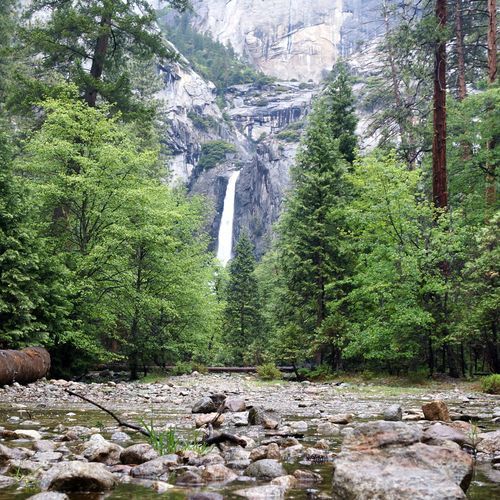
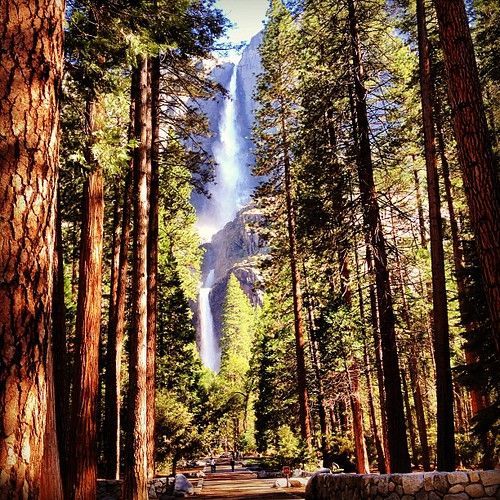
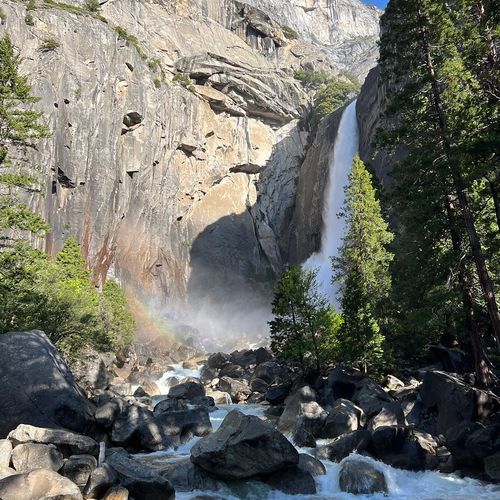
Near Falls View
Yosemite Valley · about 0.1 mi away · 1,034 recorded sightings · Open in Maps
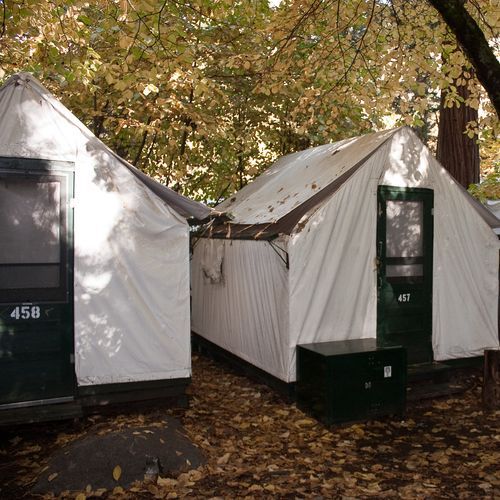
Near Curry Village
Glacier Point · about 0.1 mi away · 950 recorded sightings · Open in Maps
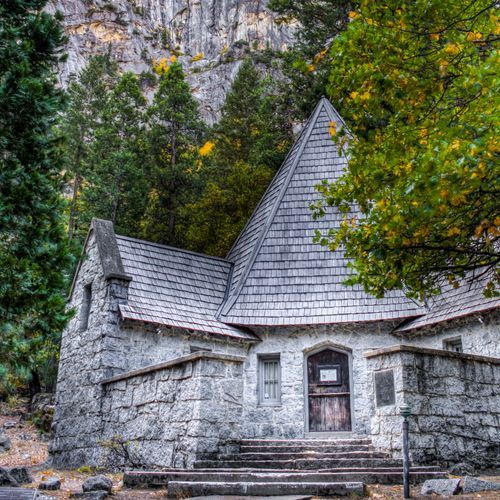
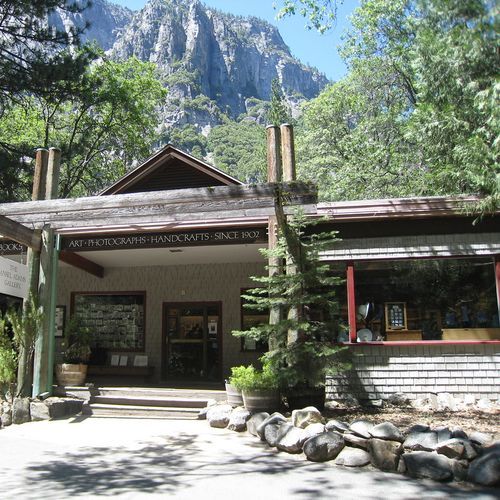
At Yosemite Exploration Center
Yosemite Valley · 857 recorded sightings · Open in Maps
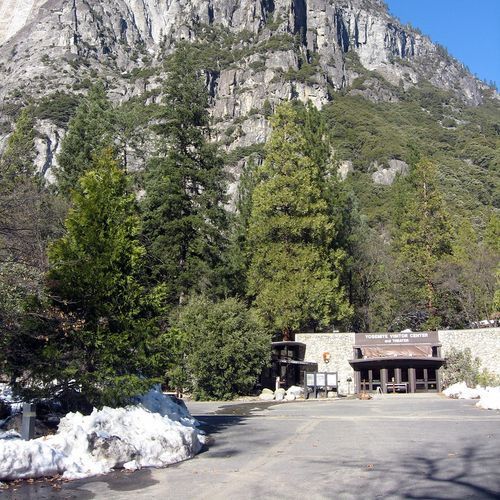
At Yosemite Valley Welcome Center
Yosemite Valley · 795 recorded sightings · Open in Maps
Near Falls View
Yosemite Valley · about 0.2 mi away · 541 recorded sightings · Open in Maps
Tenaya Lake
About Tenaya Lake · 473 recorded sightings · Open in Maps
Yosemite Valley · about 0.5 mi away · 468 recorded sightings · Open in Maps
At Falls View
Yosemite Valley · 449 recorded sightings · Open in Maps
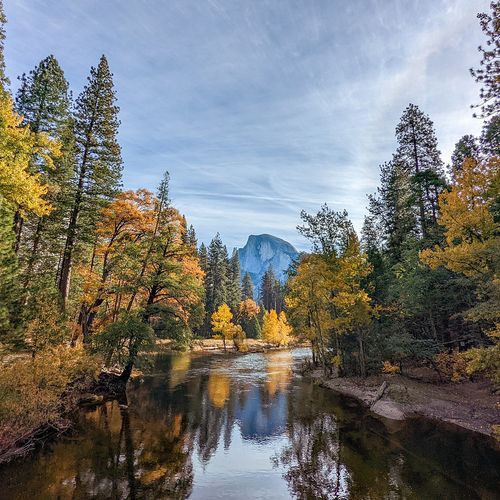
At Tunnel View
Yosemite Valley · 427 recorded sightings · Open in Maps
The 10 spots with the most sightings, of 46 on the map.
A viewing spot is a place where visitors have photographed and reported the animal many times. Wild animals move: a spot raises your chances, it doesn't promise a sighting. Keep the distance the park asks for.
When is the best time to see Mule Deer in Yosemite National Park?
Most sightings are recorded from April through November, with the most in June.
- January: 42 sightings
- February: 46 sightings
- March: 135 sightings
- April: 329 sightings
- May: 403 sightings
- June: 855 sightings
- July: 756 sightings
- August: 669 sightings
- September: 504 sightings
- October: 512 sightings
- November: 269 sightings
- December: 126 sightings
Recorded sightings in Yosemite National Park by month, 4,646 in all. The count follows visitors as well as animals: a quiet month can mean few people were there to report.
Key facts
- Type
- Mammal
- Scientific name
- Odocoileus hemionus
- Mapped viewing spots
- 46
- Most sightings
- April through November
- Recorded sightings
- 4,646
About the Mule Deer
Mule deer present a distinctive, recognizable silhouette: large, mule-like ears, a broad white rump, and a black-tipped tail that flashes when they alarm. Their coats shift from reddish-brown in summer to grayer tones in winter, and bucks grow branching antlers that tend to fork as they develop rather than forming a single sweeping beam. Medium to large in size, they often stand about shoulder-high to a person and move with a bounding, leaping gait that sends them sailing over terrain in short, powerful hops.
You’ll find mule deer across the American West — from open plains and sagebrush flats to foothill woodlands, mountain meadows, and coastal forests. They browse on shrubs, leaves, forbs and grasses, shifting their diet seasonally (sagebrush and twigs in winter; green shoots and forbs in spring and summer). Mule deer remain most active at dawn and dusk, use keen hearing and sight to detect danger, and often form small groups; mothers hide spotted fawns in vegetation for the first weeks while they forage nearby. In some regions they undertake notable local migrations between seasonal ranges.
Populations vary by place: some herds remain common while others face pressure from habitat fragmentation, road collisions and changing climate. When visiting parks, watch quietly from a distance, avoid feeding wildlife, and scan open edges and roadsides at dusk for movement. Spotting a mother with tiny spotted fawns or a buck’s forked antlers makes for a memorable encounter—observe respectfully and let them carry on their wild behaviors.
Some sightings in Yosemite National Park are recorded under a subspecies: California Mule Deer (Odocoileus hemionus californicus).